

USDA Lowers Bangladesh Cotton Demand Outlook as Garment Exports and Mill Activity Slow

Share Post
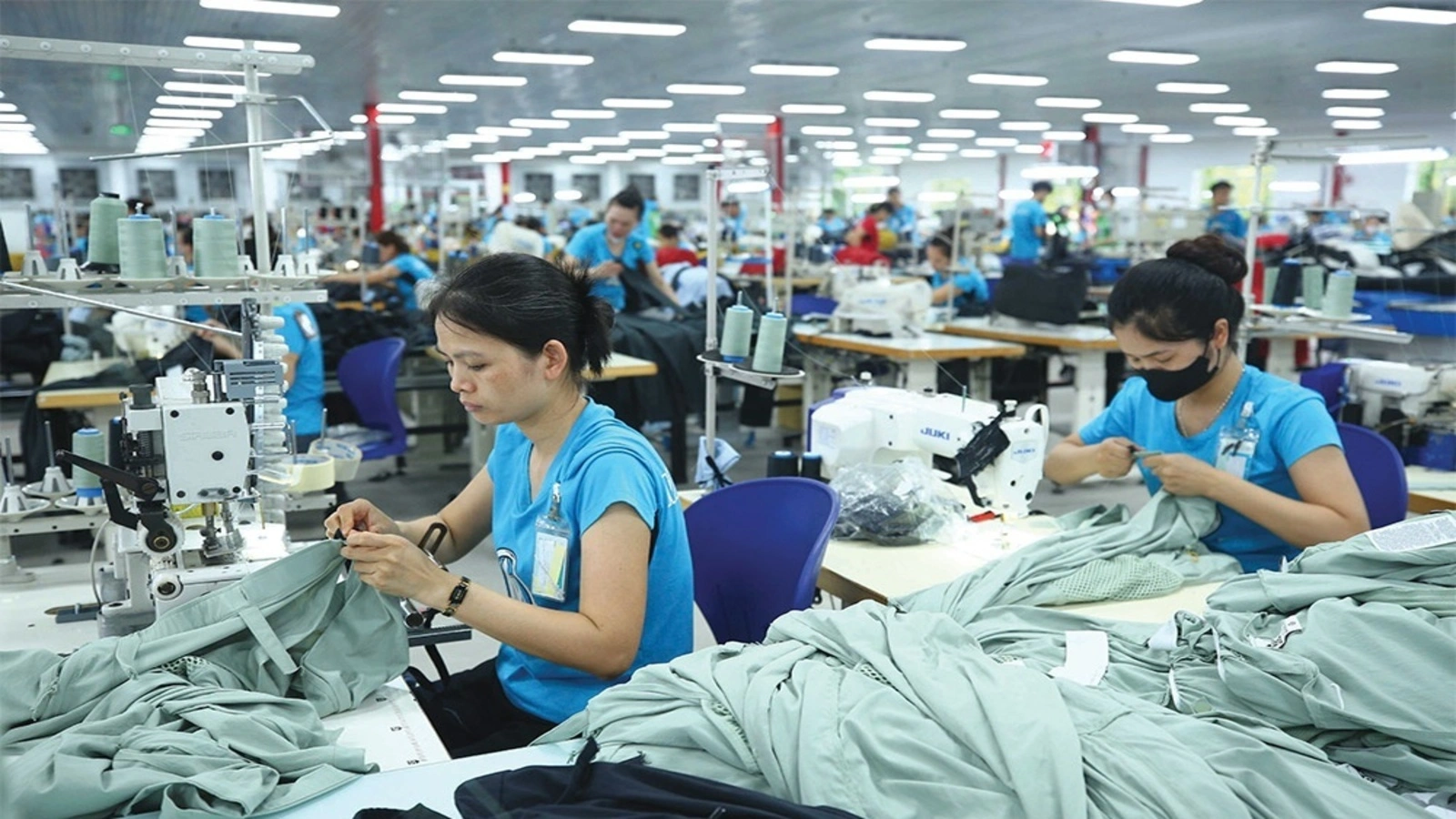
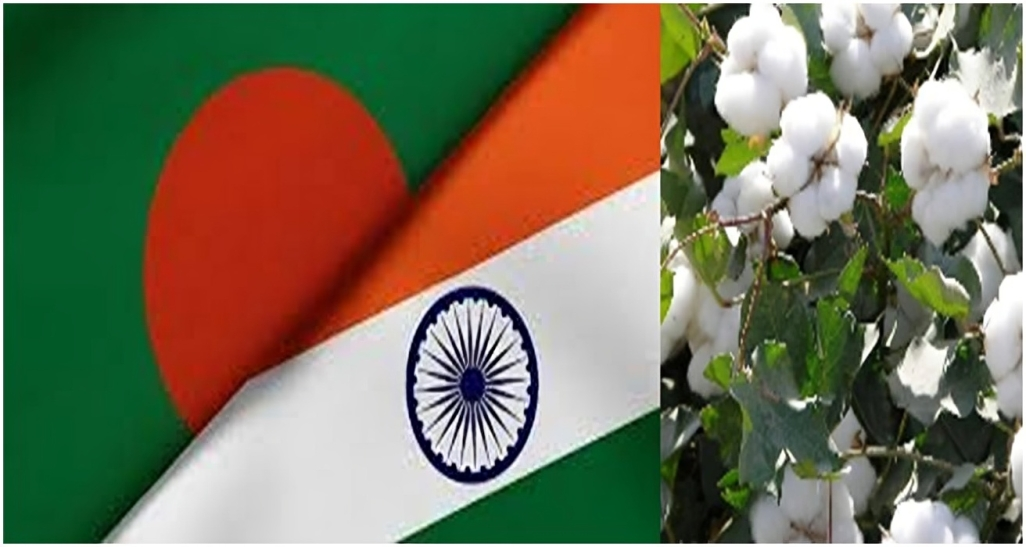
The recent revision of Bangladesh’s cotton import and consumption forecast by the United States Department of Agriculture indicates a moderation in textile sector activity for the 2025–26 marketing year. The updated projections reflect a marginal decline in cotton imports and domestic consumption, primarily driven by slowing garment exports, operational inefficiencies and a changing global supply-demand balance. As one of the world’s largest cotton importers and apparel exporters, Bangladesh’s textile sector remains highly sensitive to global demand fluctuations and domestic production constraints.
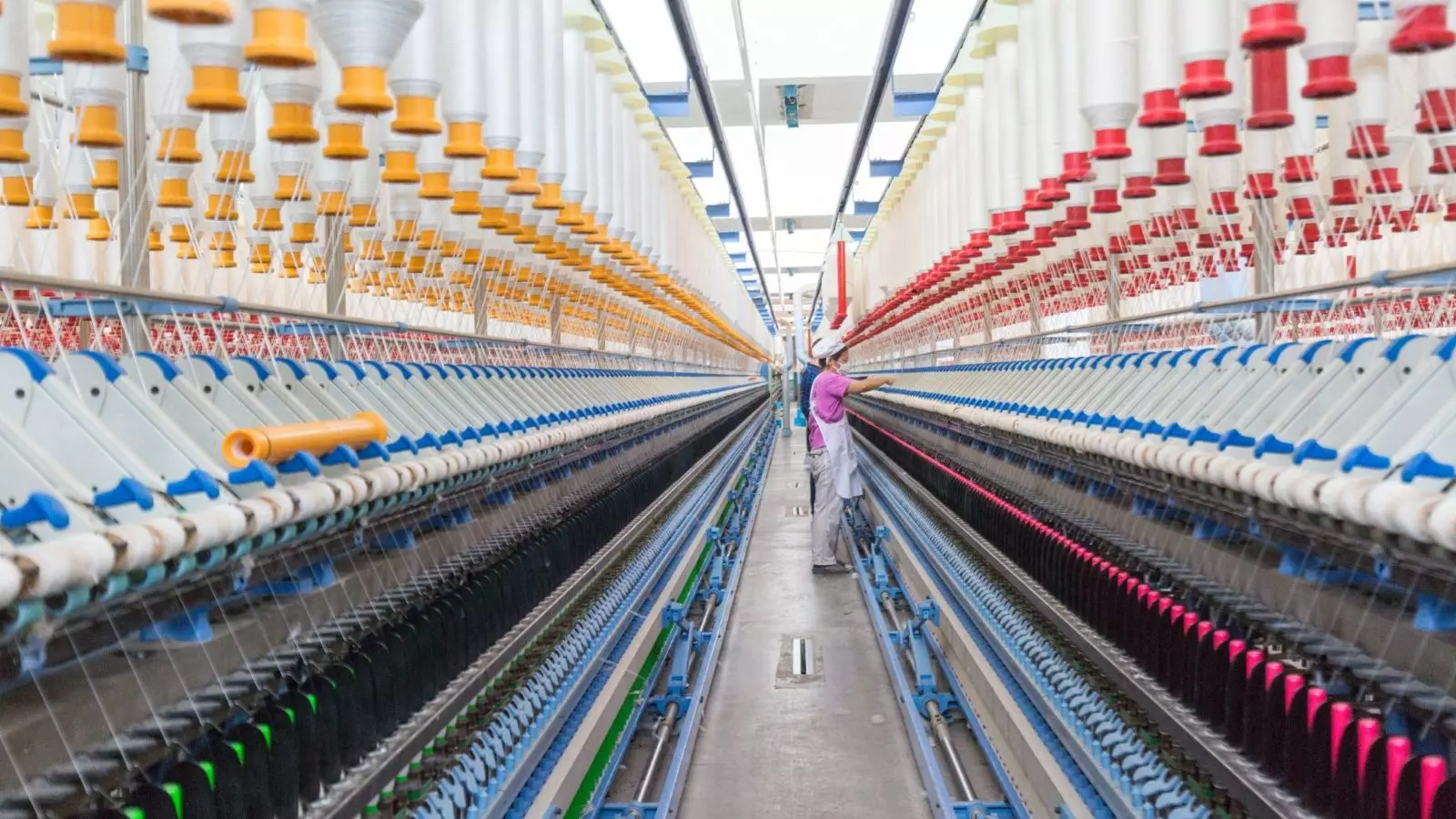
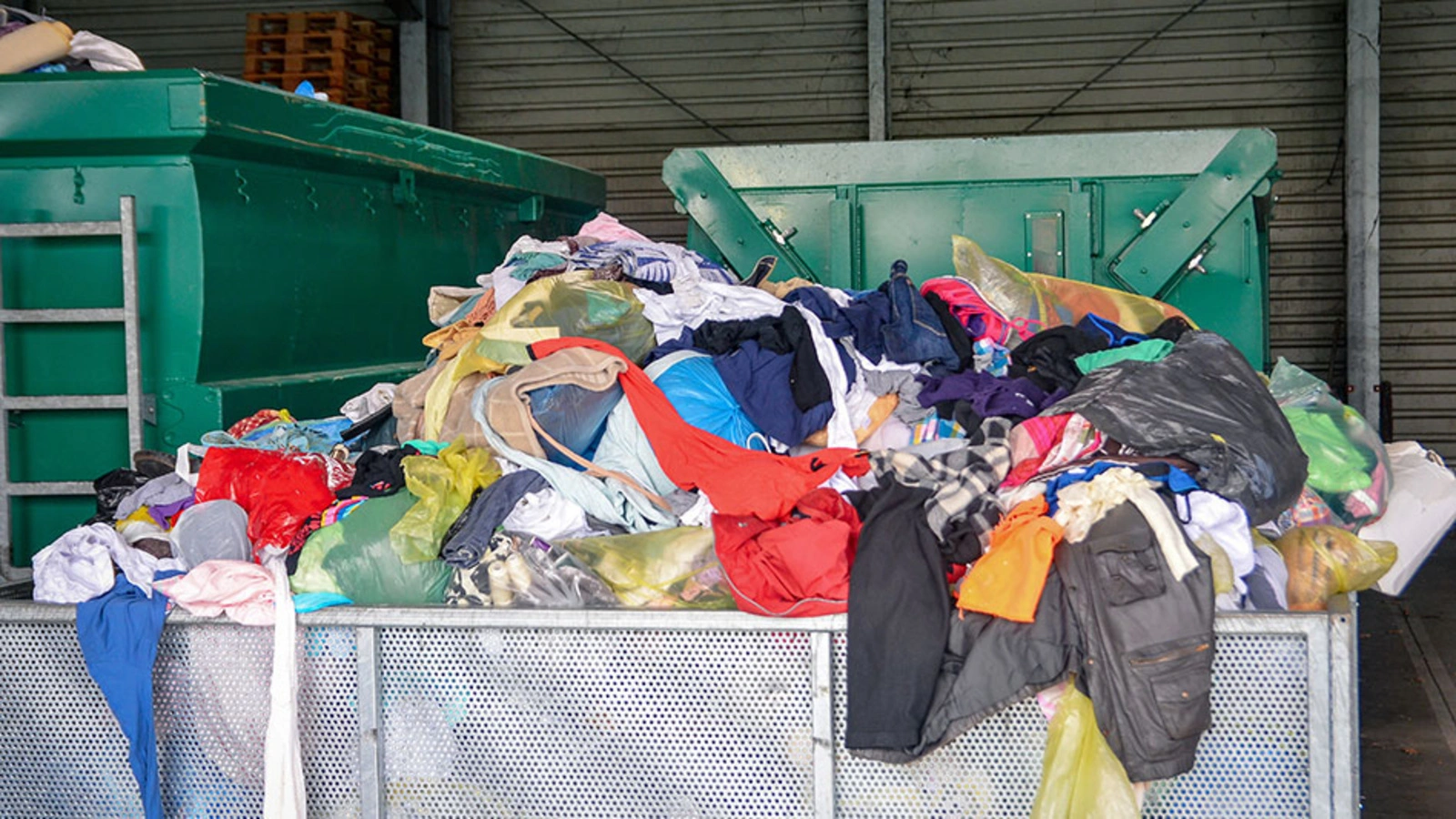
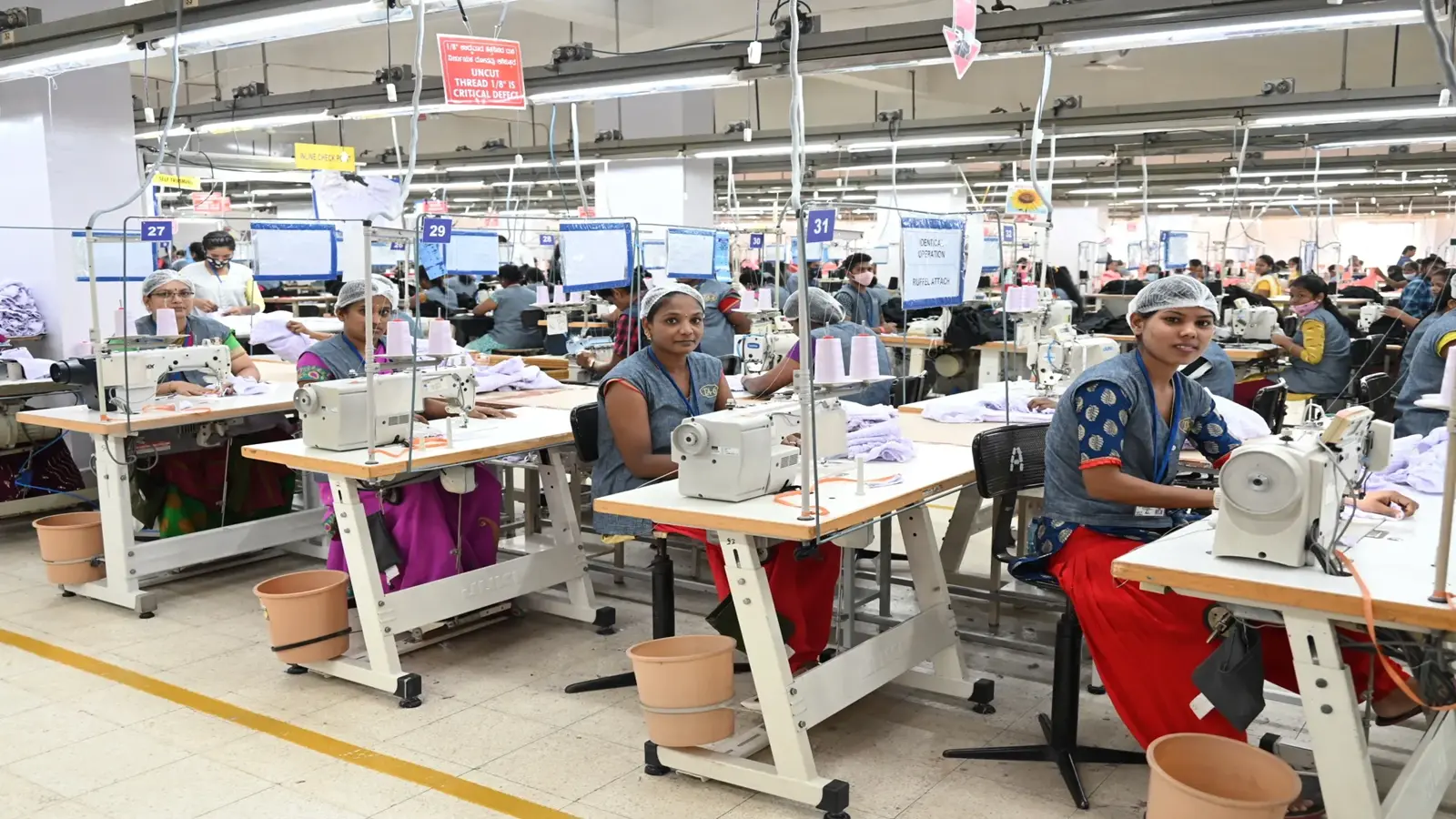
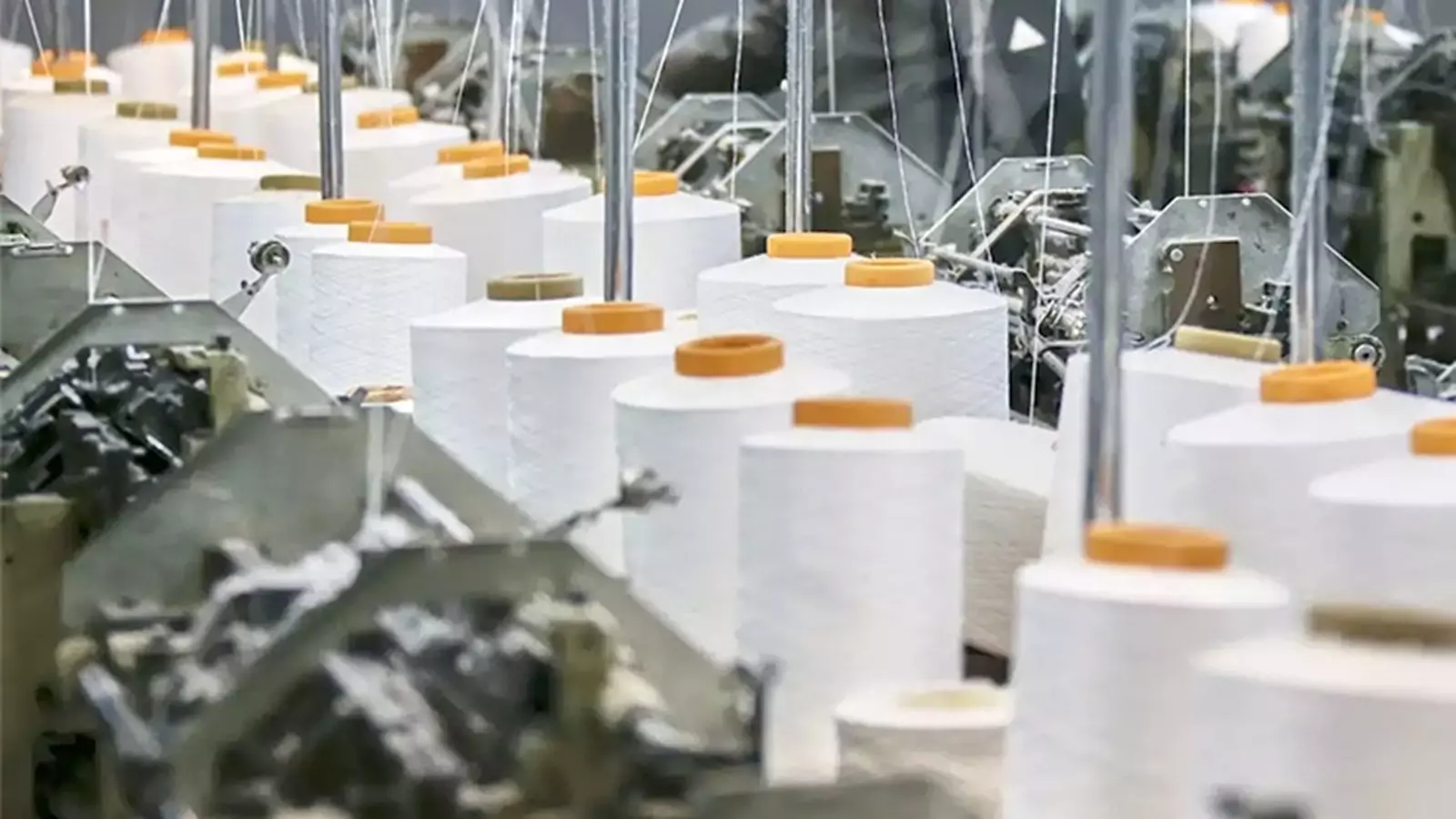
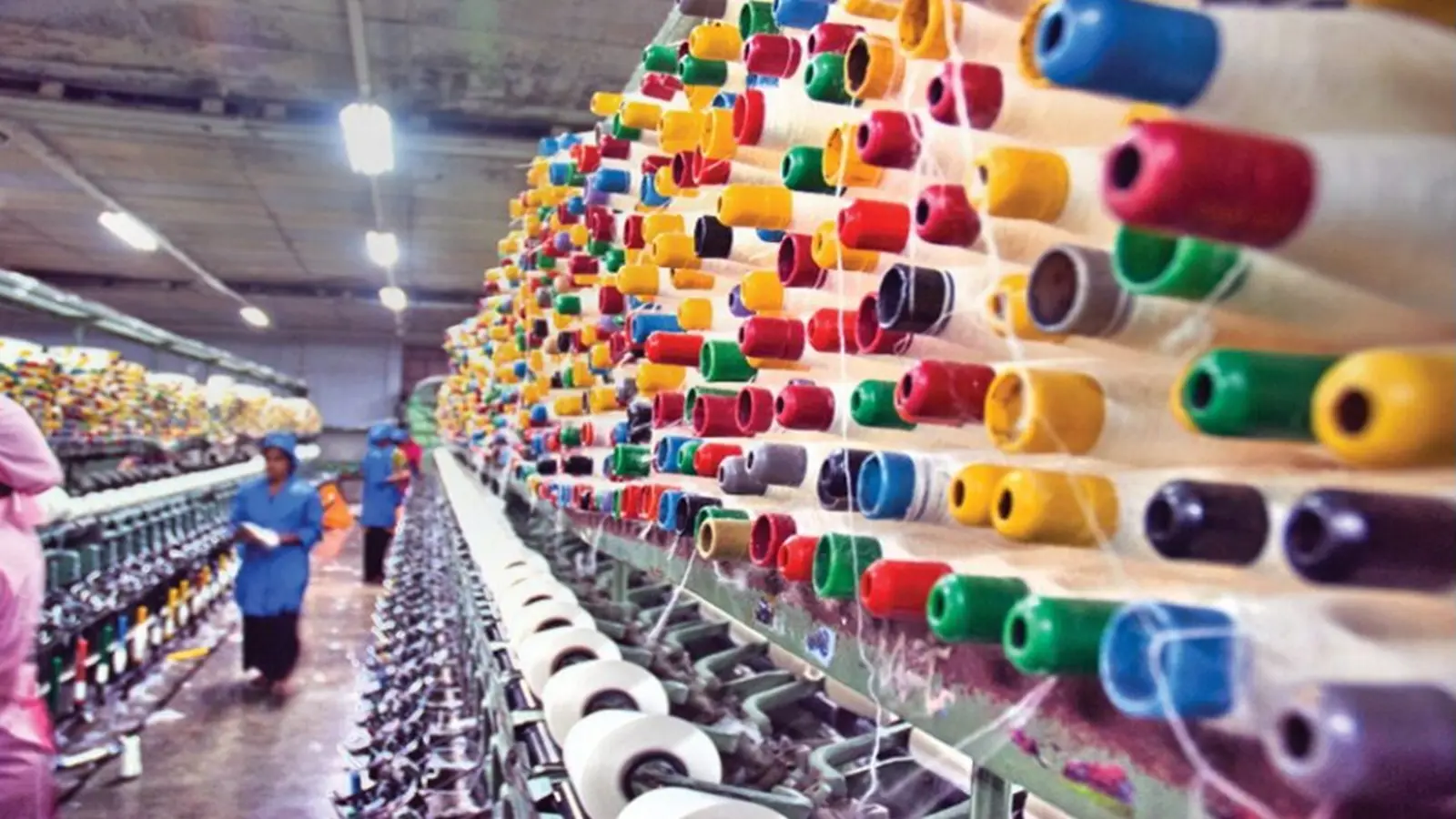
One of the major structural challenges currently affecting the sector is the accumulation of unsold yarn inventory, which indicates a slowdown in downstream garment production. Reduced international orders have forced garment manufacturers to scale back yarn procurement, leading to working capital pressures across spinning mills. In addition, persistent shortages of natural gas and electricity are limiting industrial productivity, with several mills operating below optimal capacity. Such energy constraints highlight the importance of reliable infrastructure in sustaining textile competitiveness.
From a global perspective, increasing cotton production in major producing countries such as Brazil and China is contributing to ample supply conditions, while overall consumption shows signs of slight decline. This imbalance is placing additional price pressure on Textile manufacturers, particularly in export-oriented economies like Bangladesh.
The situation also demonstrates the interconnected nature of the textile value chain, where changes in global retail demand directly influence fibre consumption, yarn production and fabric manufacturing. For Bangladesh, the challenge lies in improving operational efficiency, ensuring energy security and maintaining price competitiveness in a demanding global market.
Despite the current slowdown, Bangladesh’s strong manufacturing base and established position in global apparel supply chains provide long-term growth potential. Strategic investments in infrastructure, energy management and value-added textile production could help the sector navigate current challenges while preparing for future demand recovery.
11:27 AM, Mar 13
.webp)
.webp)
Epic Group Launches $100 Million Odisha Mega Garment Hub in India
12:59 PM, May 01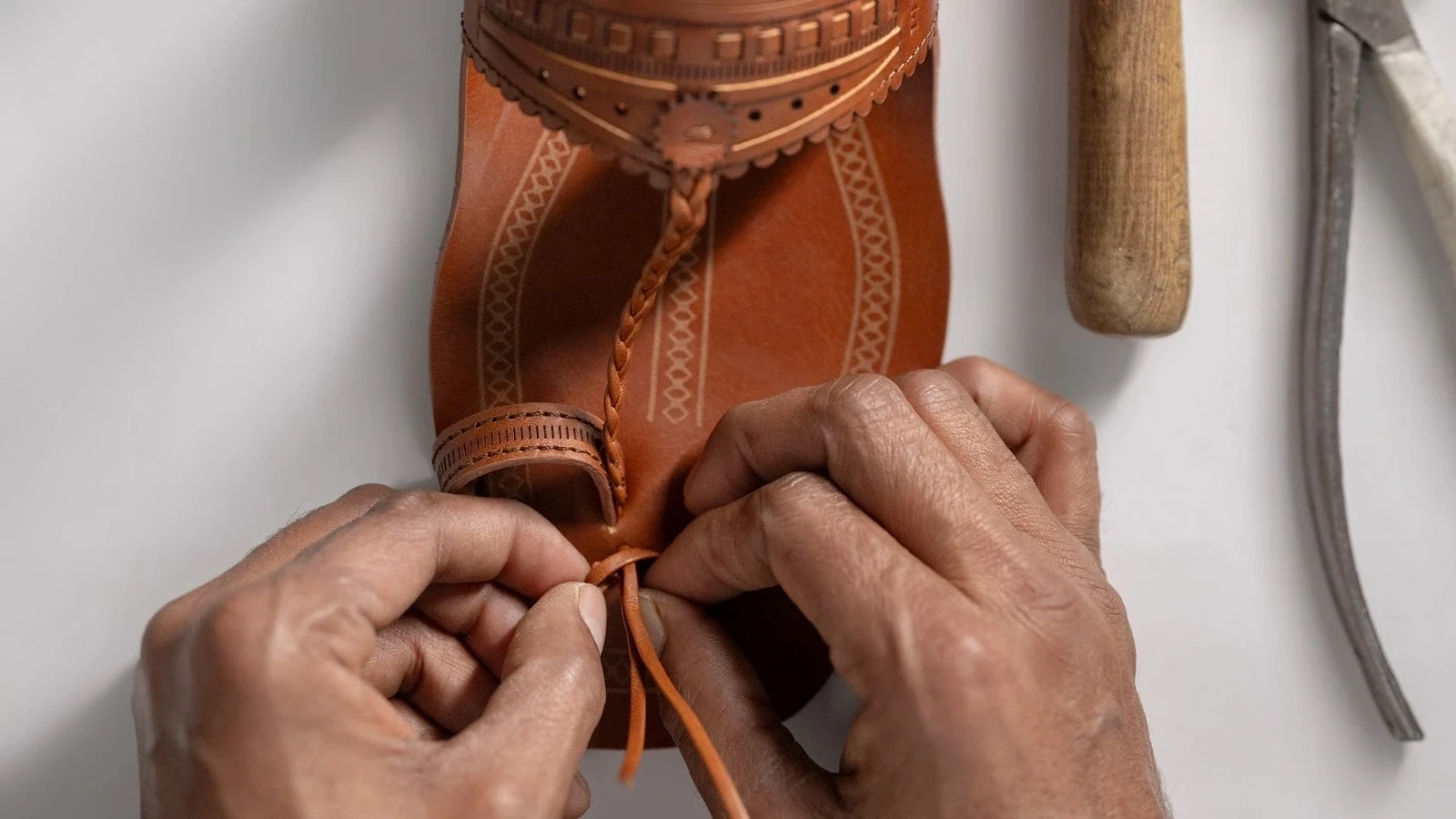
Prada Elevates Kolhapuri Craftsmanship to the Global Luxury Stage
04:25 PM, Apr 30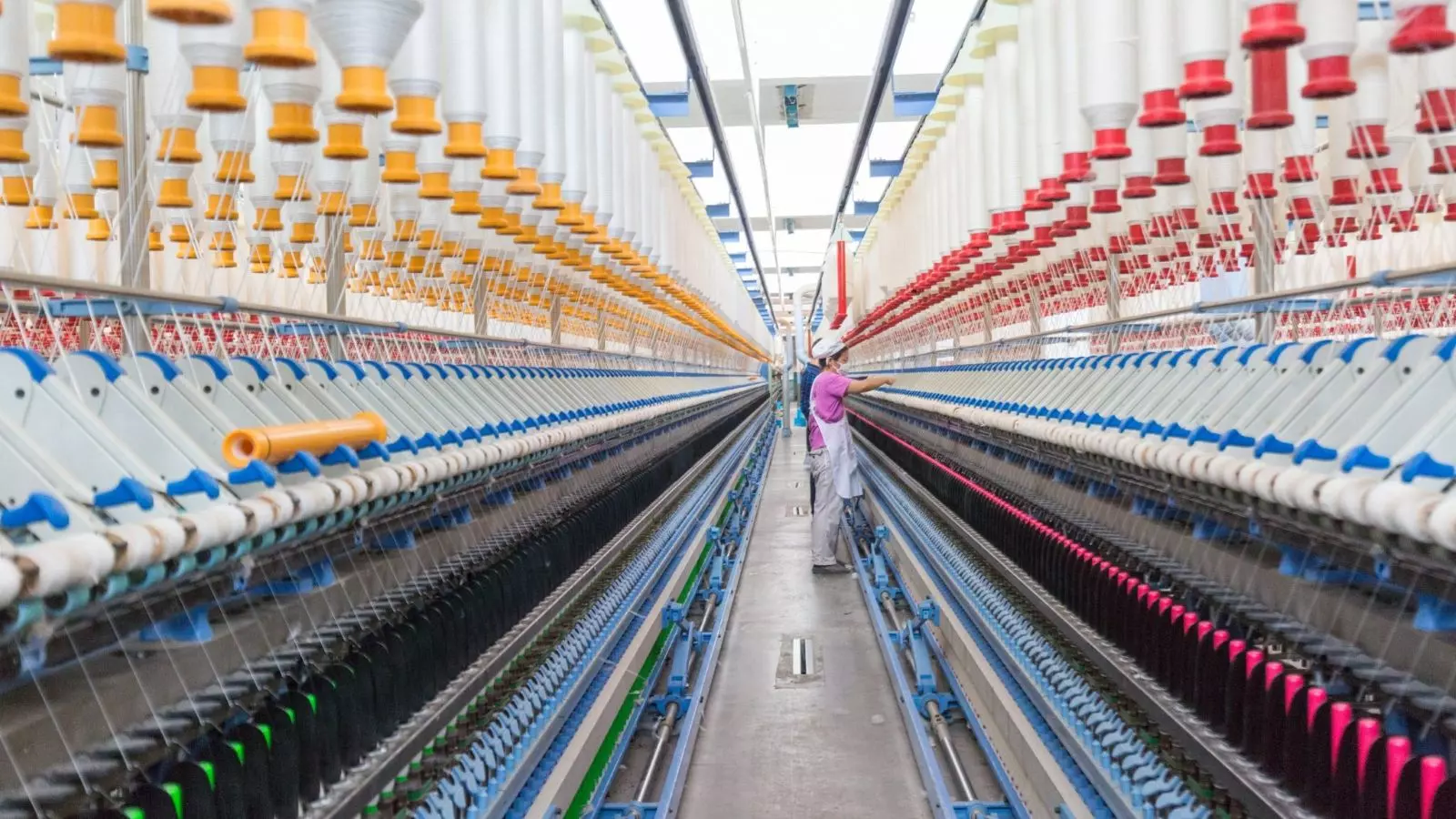
Industry Update
1.webp)
1.webp)

1.webp)


1.webp)

1.webp)
India’s Textile Exports Slip in FY26, Exposing Structural Gaps in Global Competitiveness...view more
1.webp)
1.webp)
1.webp)
.webp)

1.webp)
1.webp)
1.webp)
1.webp)
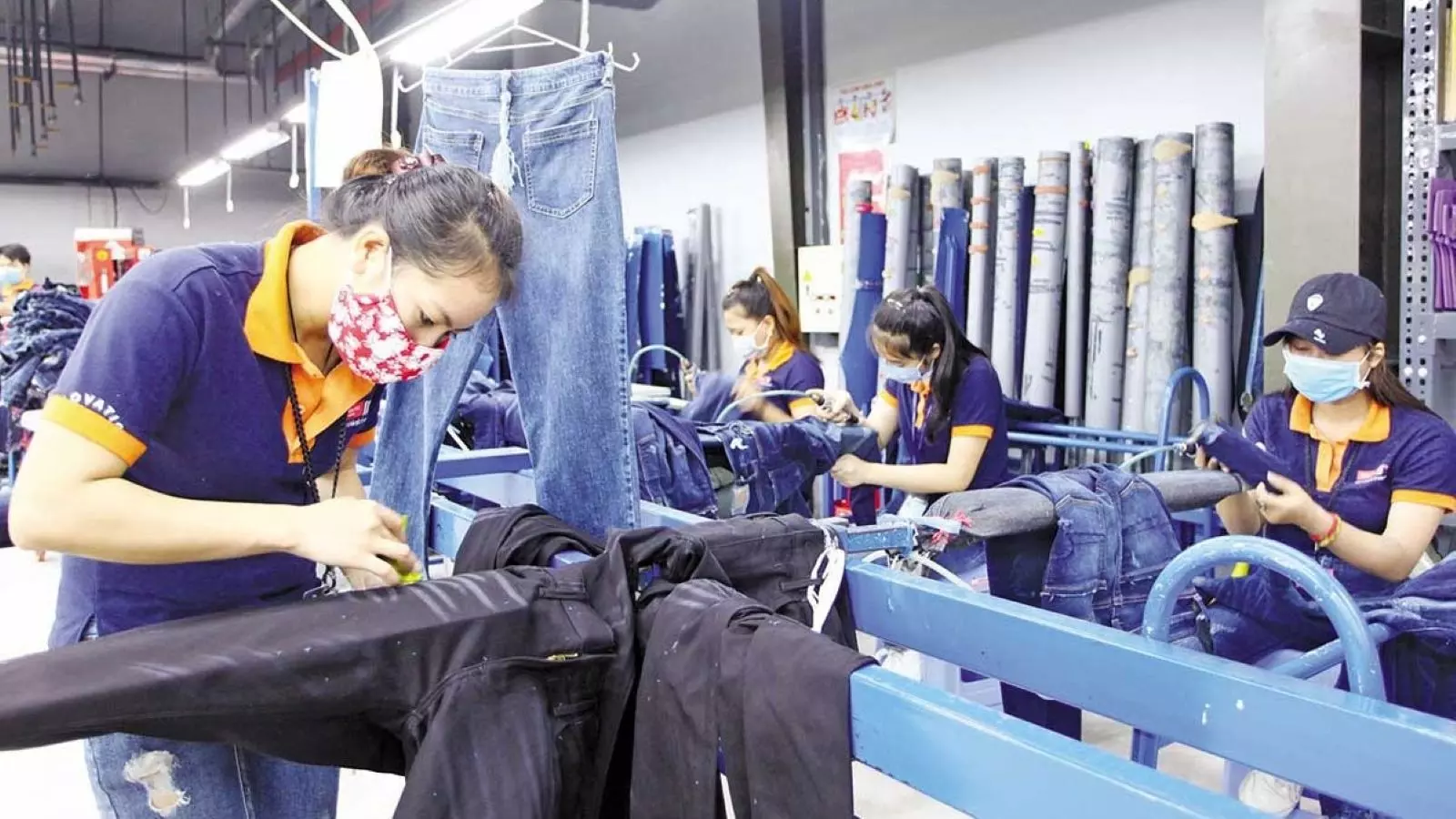
India Textile Exports Fall in FY26: Apparel Shows Slight Strength Amid Global Challenges...view more
1.webp)

1.webp)

1.webp)
1.webp)
1.webp)
1.webp)


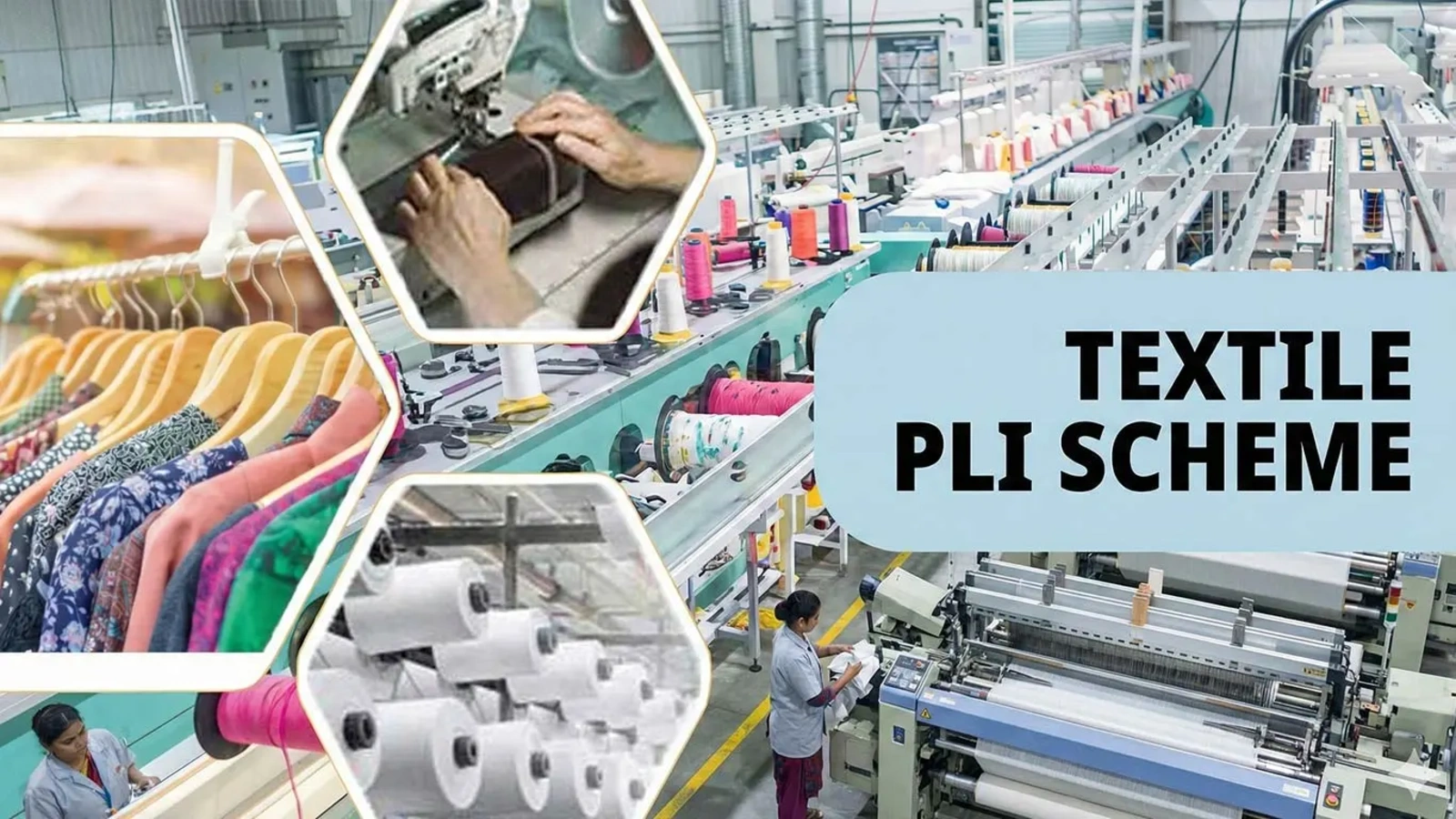
India Expands ₹10,683 Crore Textile PLI Scheme to Boost MMF and Technical Textile Growth...view more

1.webp)
1.webp)
1.webp)
1.webp)
1.webp)
1.webp)








1.webp)
Tamil Nadu Emerges as India’s Textile Export Powerhouse with Nearly $8 Billion Shipments...view more
1.webp)


1.webp)

1.webp)


1.webp)


Uttar Pradesh’s New PM MITRA Textile Park Aims to Transform State into Major Textile Hub...view more
1.webp)


1.webp)
Punjab Eyes Green Transformation of Textile Processing Clusters to Attract Global Brands...view more


1.webp)
1.webp)

1.webp)

1.webp)


1.webp)

1.webp)
1.webp)

1.webp)


1.webp)
1.webp)
1.webp)




1.webp)
1.webp)


1.webp)


1.webp)

1.webp)


1.webp)

1.webp)


1.webp)


1.webp)
1.webp)
1.webp)


Kolkata Set to Become Textile Sourcing Hub as YARNEX and TEXINDIA Return in January 2026...view more
1.webp)
1.webp)


1.webp)


1.webp)

1.webp)

1.webp)
1.webp)

1.webp)


1.webp)

1.webp)


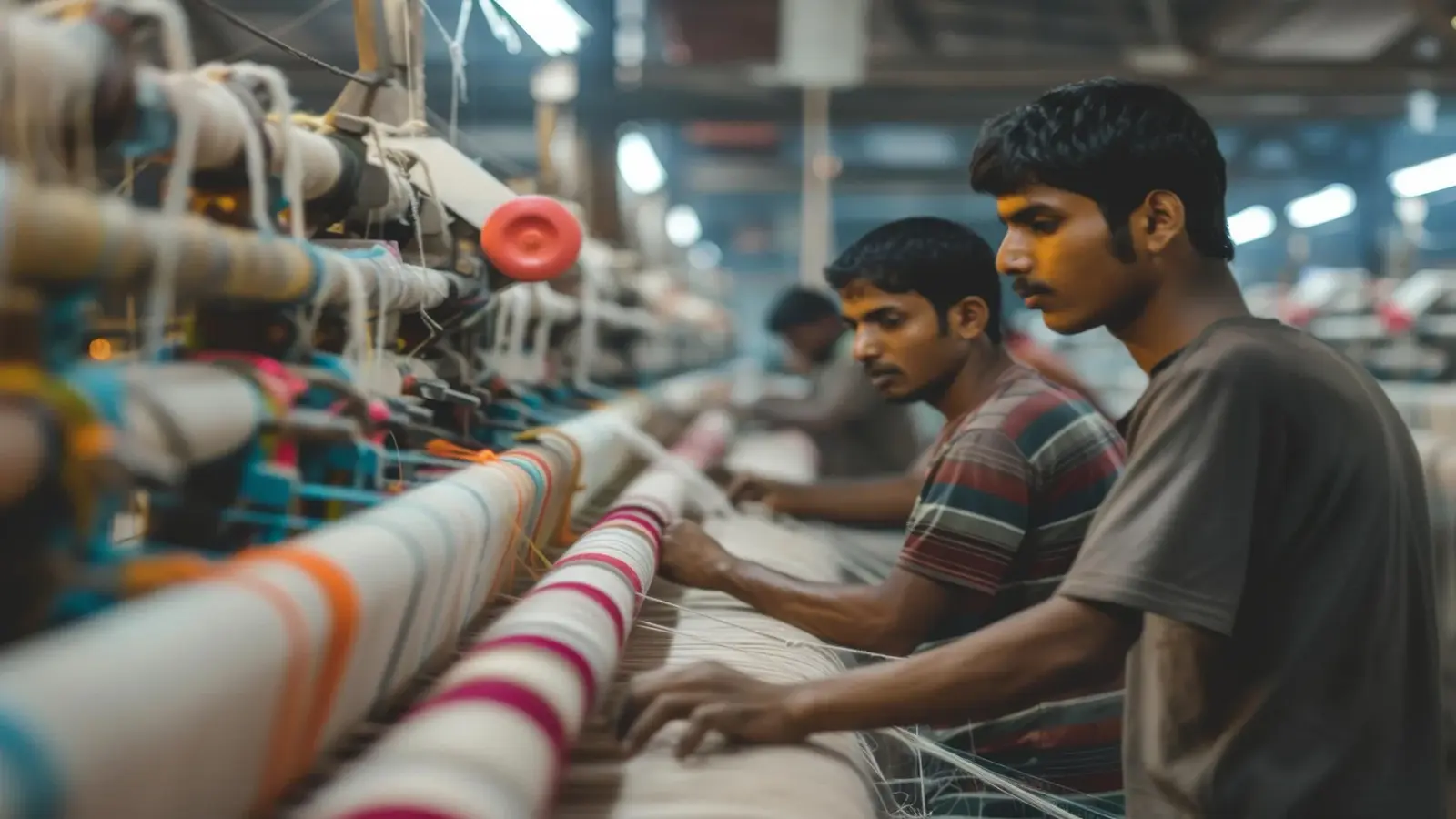
India Textile Industry 2025 Review: How US Tariffs Hit Exports, and the Road to Recovery...view more
1.webp)


1.webp)


1.webp)



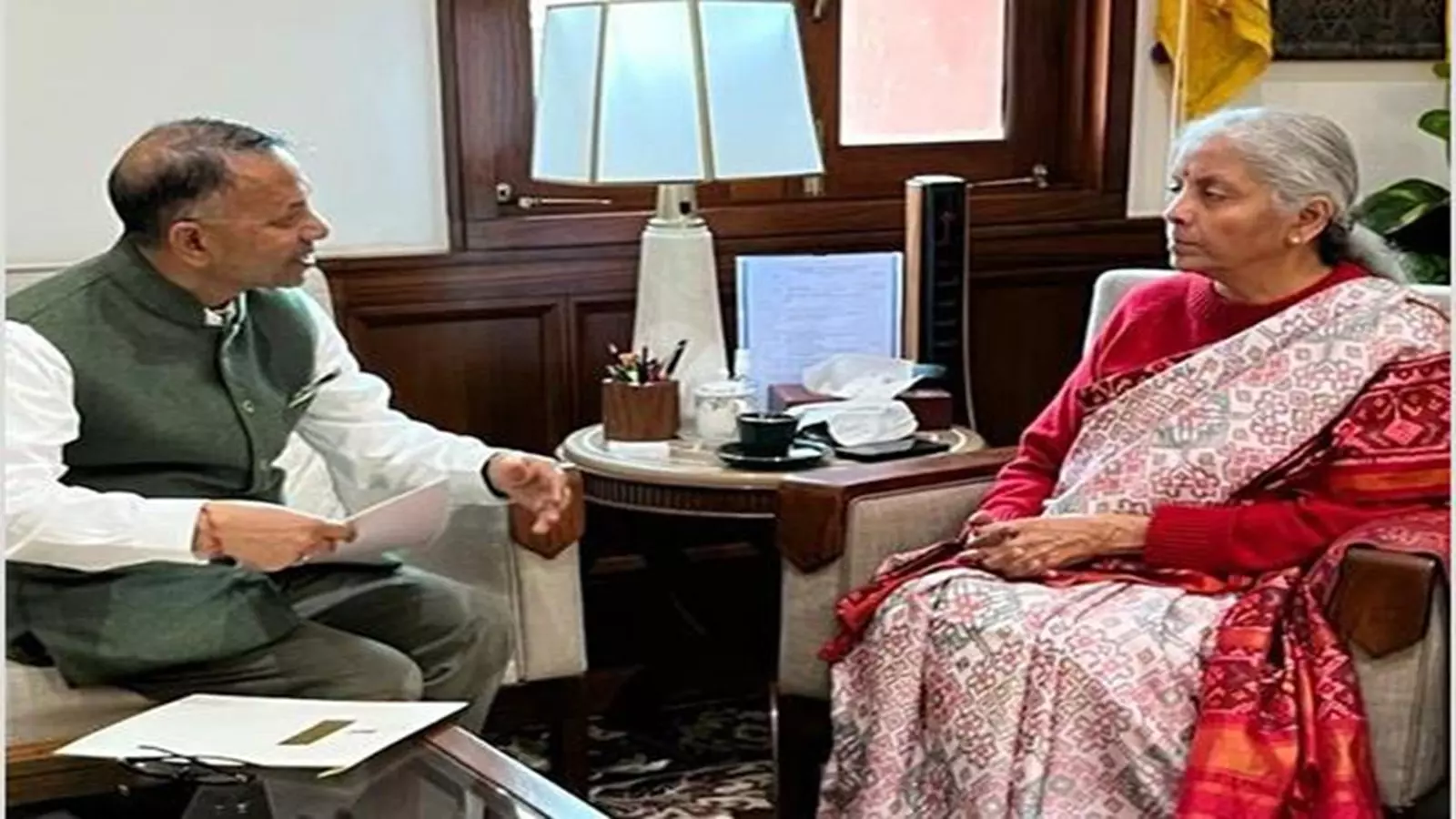
Ludhiana MP Rajinder Gupta Presses Textile Sector Concerns in Meeting with FM Sitharaman...view more


1.webp)


1.webp)


1.webp)
1.webp)

1.webp)

1.webp)

.webp)



1.webp)


1.webp)







1.webp)









1.webp)



1.webp)


1.webp)


1.webp)




1.jpg)


















.png)


.jpg)
.jpg)


