

Indian Textile and Garment Exports Show Resilience amid Global Market Challenges
.webp)
Share Post
Steady Export Performance Reflects Industry Strength
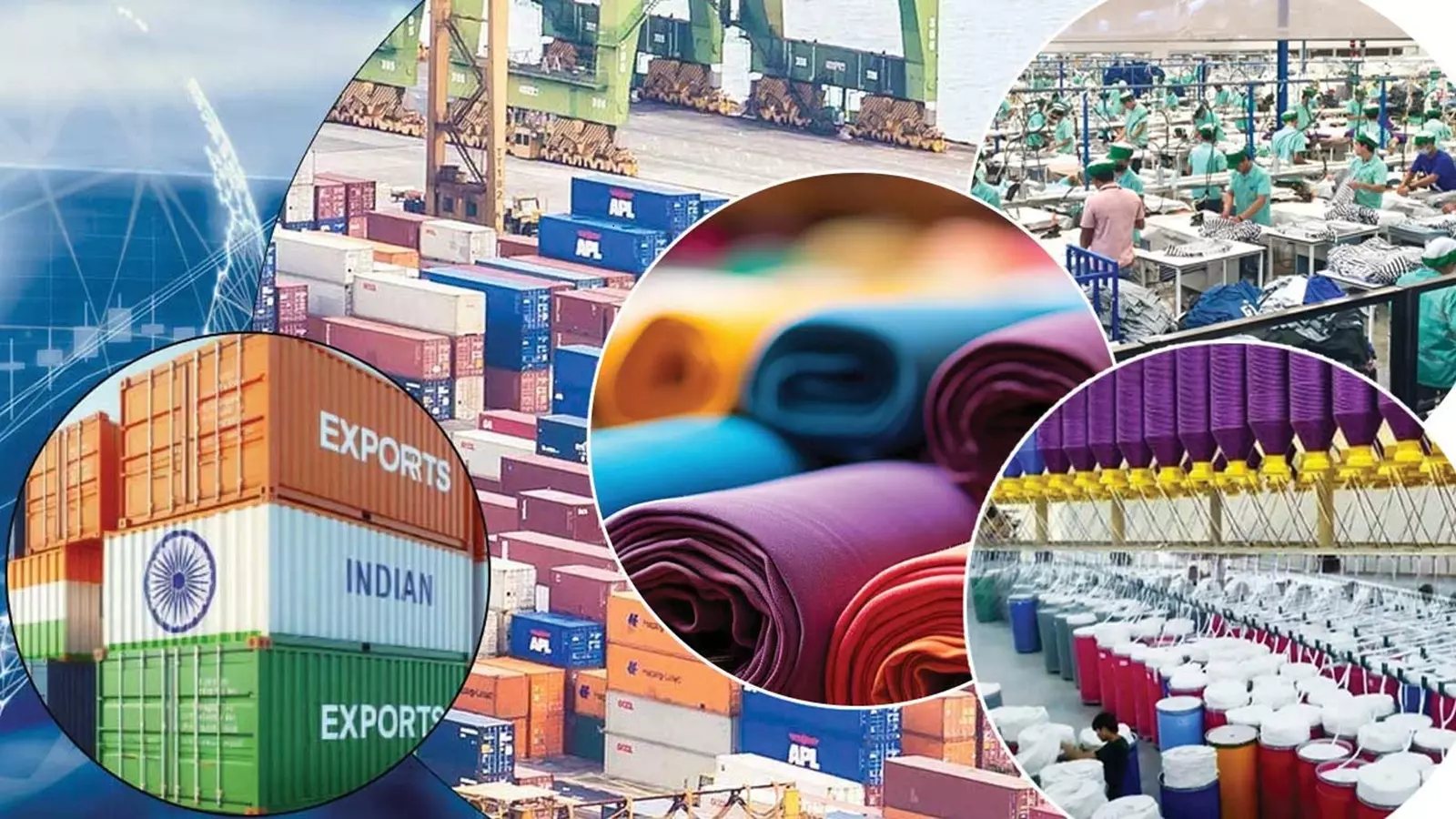
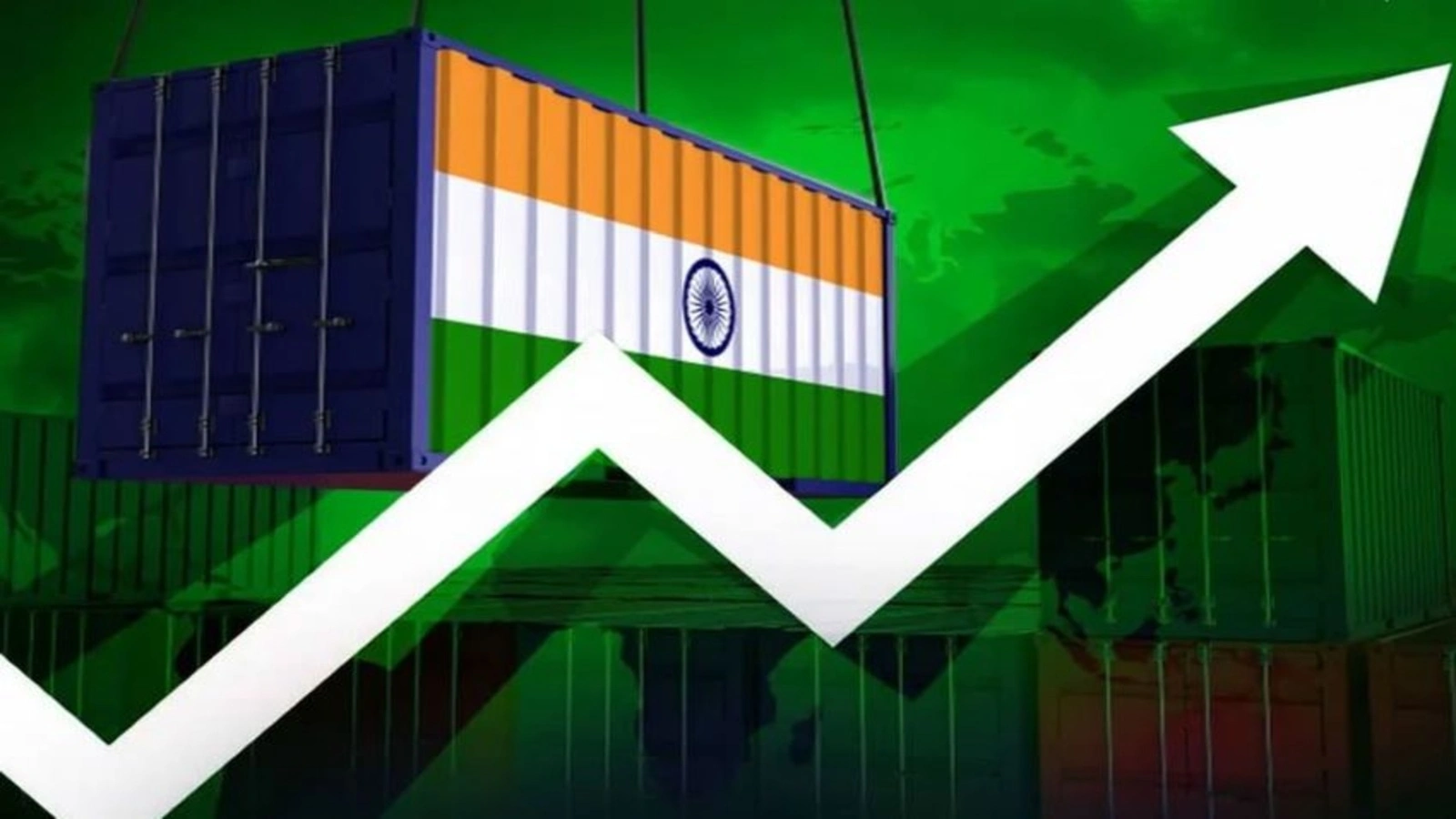
India’s textile and apparel sector has once again demonstrated its resilience, maintaining steady export performance over the last five financial years despite global economic uncertainties and shifting trade dynamics. According to provisional data released by the Directorate General of Commercial Intelligence and Statistics (DGCIS), exports of readymade garments, cotton textiles, Man-made fibres, carpets, jute, silk, wool and handloom products continue to play a vital role in India’s export economy.
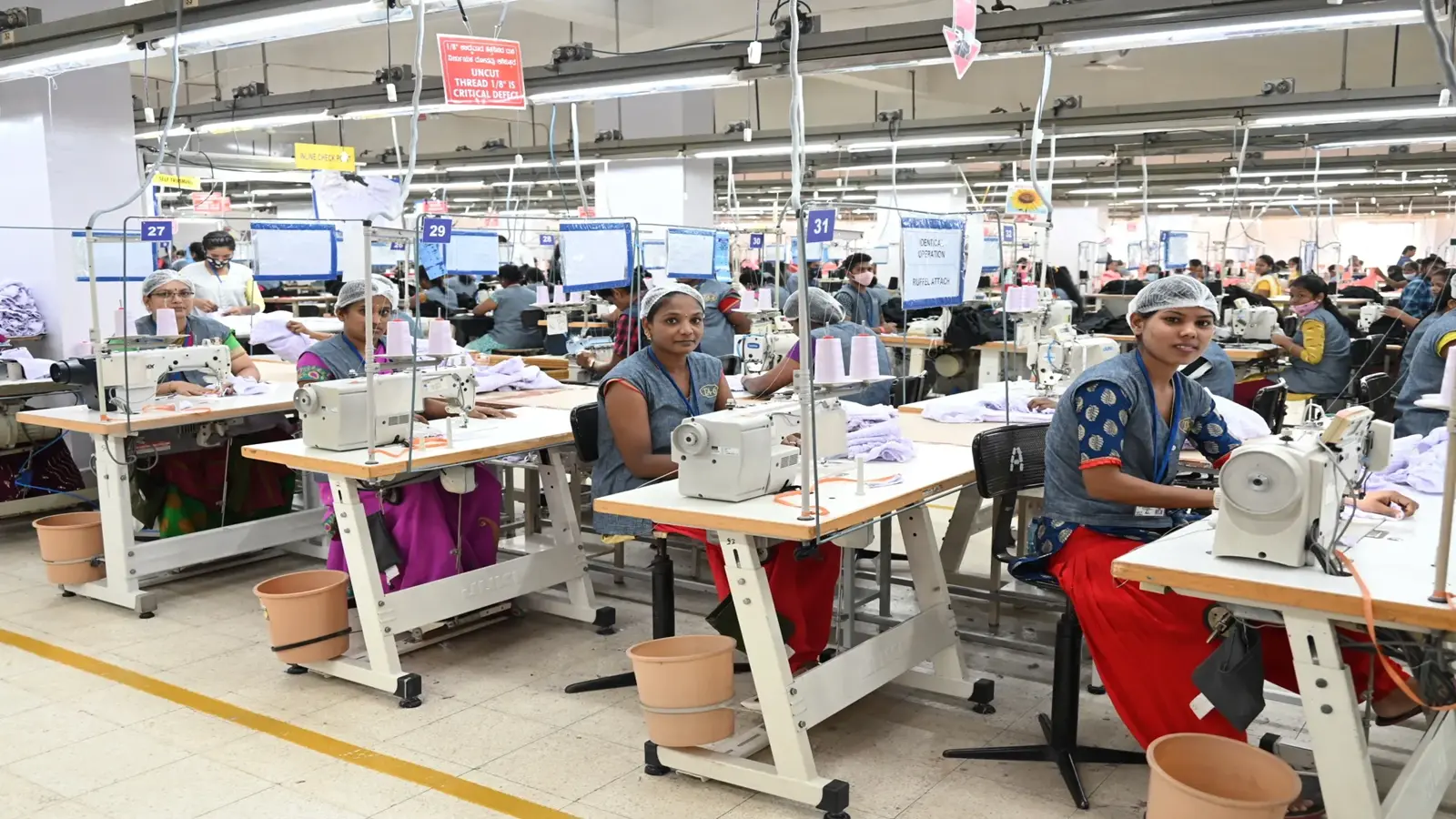
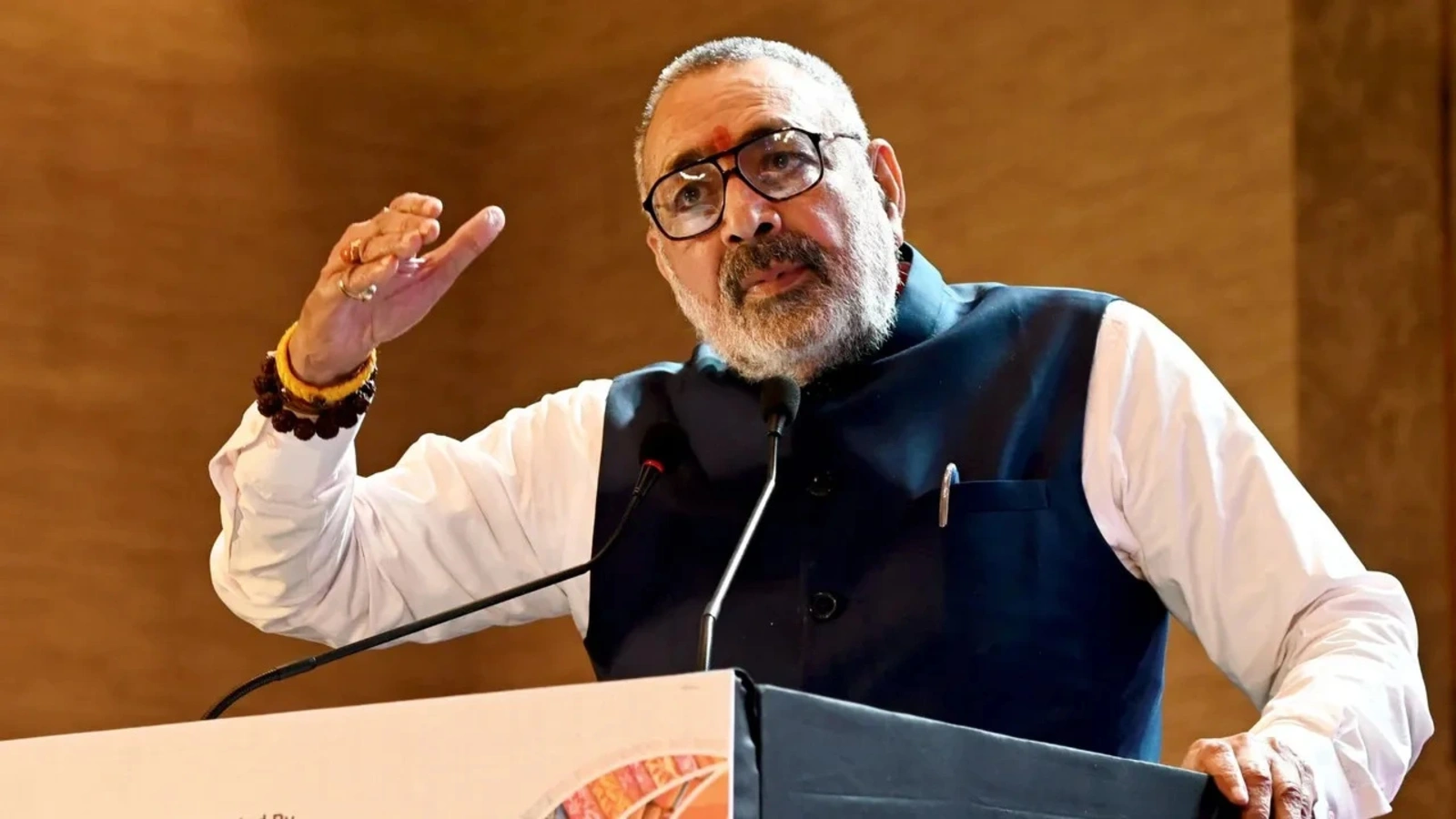
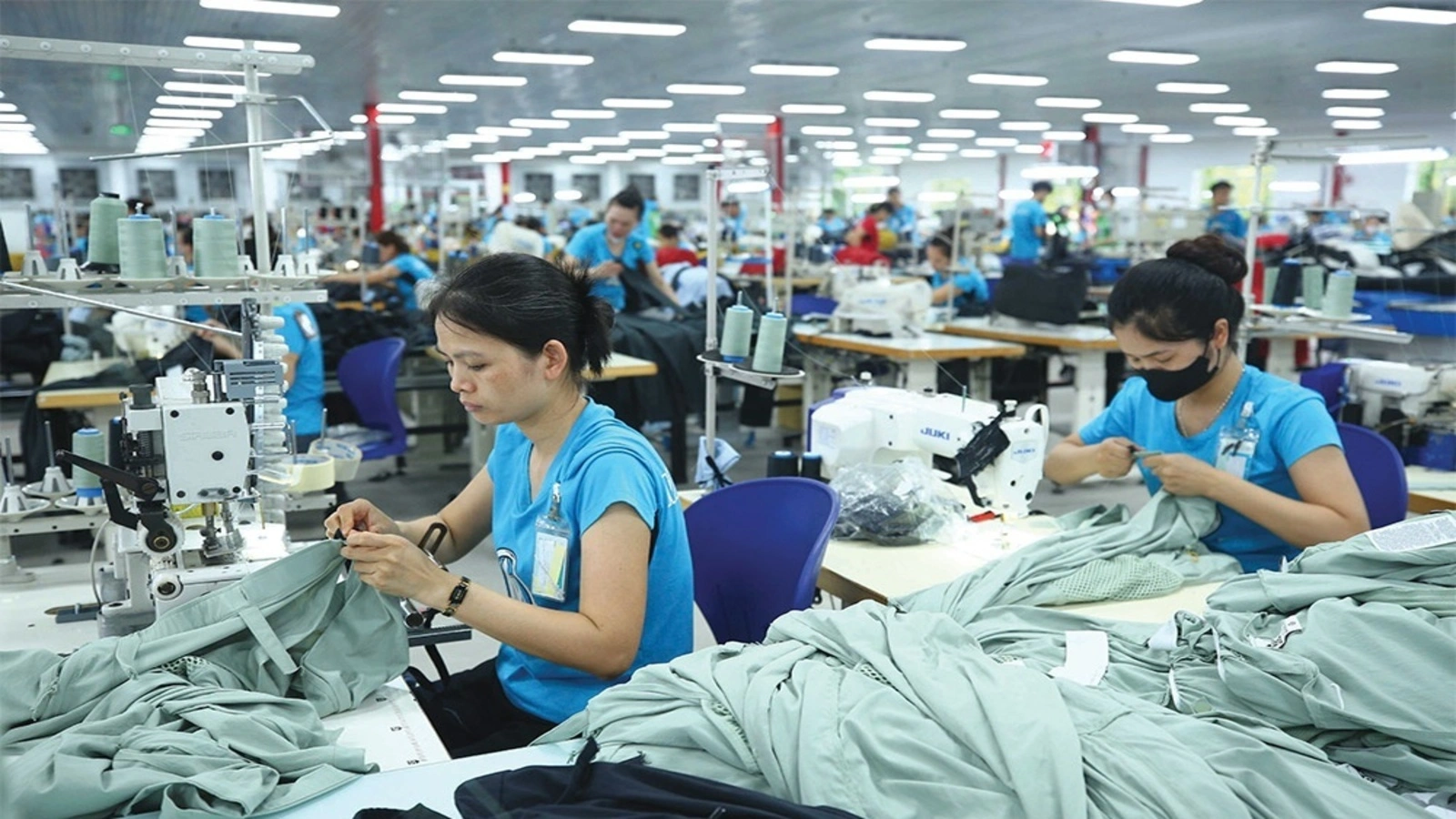
Data presented by Union Textiles Minister Giriraj Singh in Parliament highlighted that readymade garments and cotton textiles remain the backbone of India’s textile export basket, while traditional segments such as carpets, silk and handloom products continue to maintain their niche presence in global markets. Despite demand fluctuations in key markets, the sector continues to support employment across the textile value chain from spinning and weaving to garment manufacturing and handicrafts.
Export Trends Show Stability across Key Segments
The latest figures indicate that India’s textile exports have remained broadly stable, supported by diversified product categories and steady global demand. Key export highlights (FY 2020-21 to FY 2024-25):
- Readymade garments grew from $12,272 million to $15,989 million
- Cotton textiles remained strong at $12,299 million in FY 2024-25
- Man-made textiles reached $5,295 million
- Carpet exports improved to $1,541 million
- Silk exports showed growth, reaching $162 million
- Total textile and garment exports rose to $35,988 million
Including handicrafts, total textile-related exports reached $37,755 million in FY 2024-25, reflecting the sector’s stability even during challenging global trade cycles.
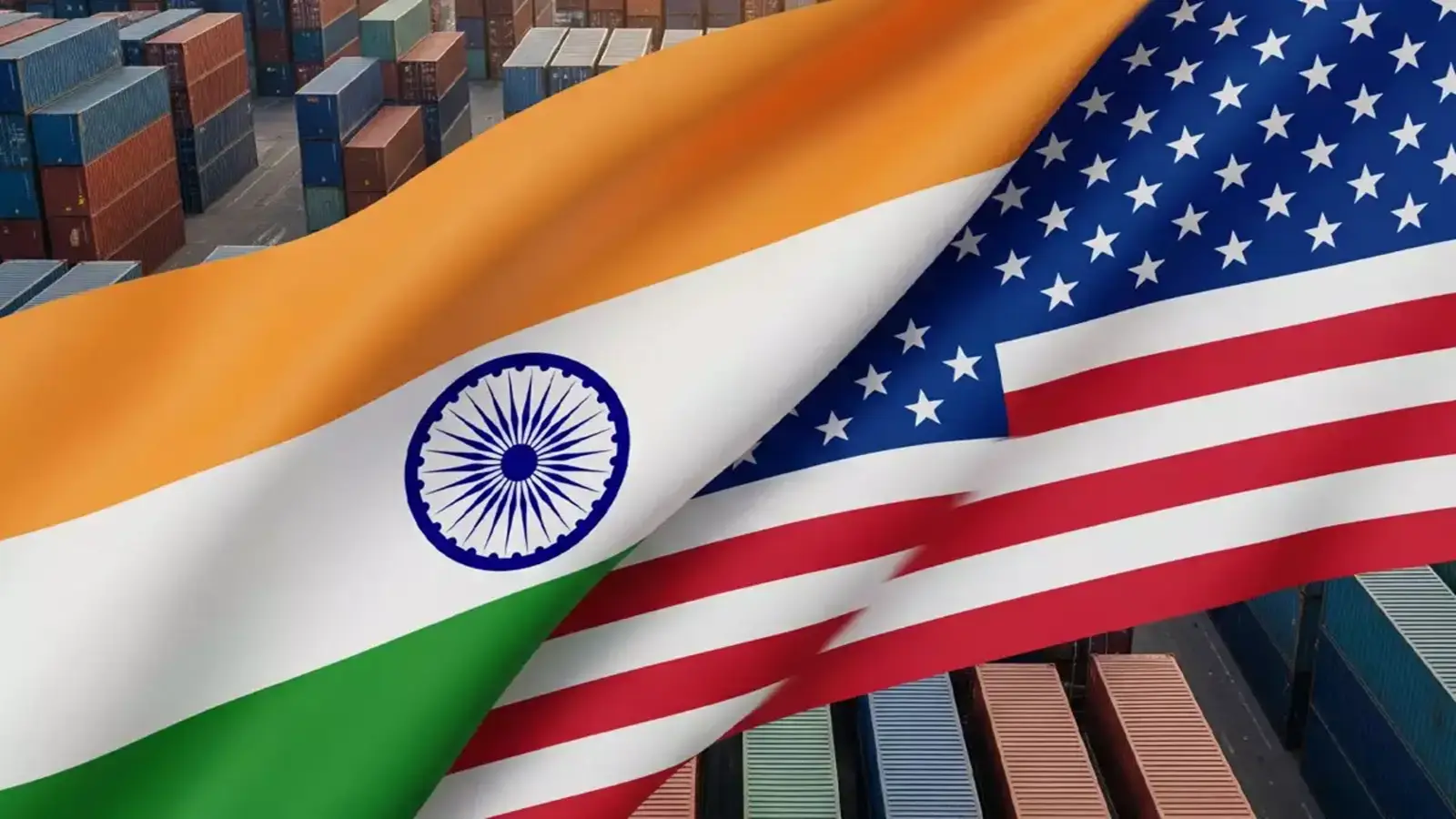
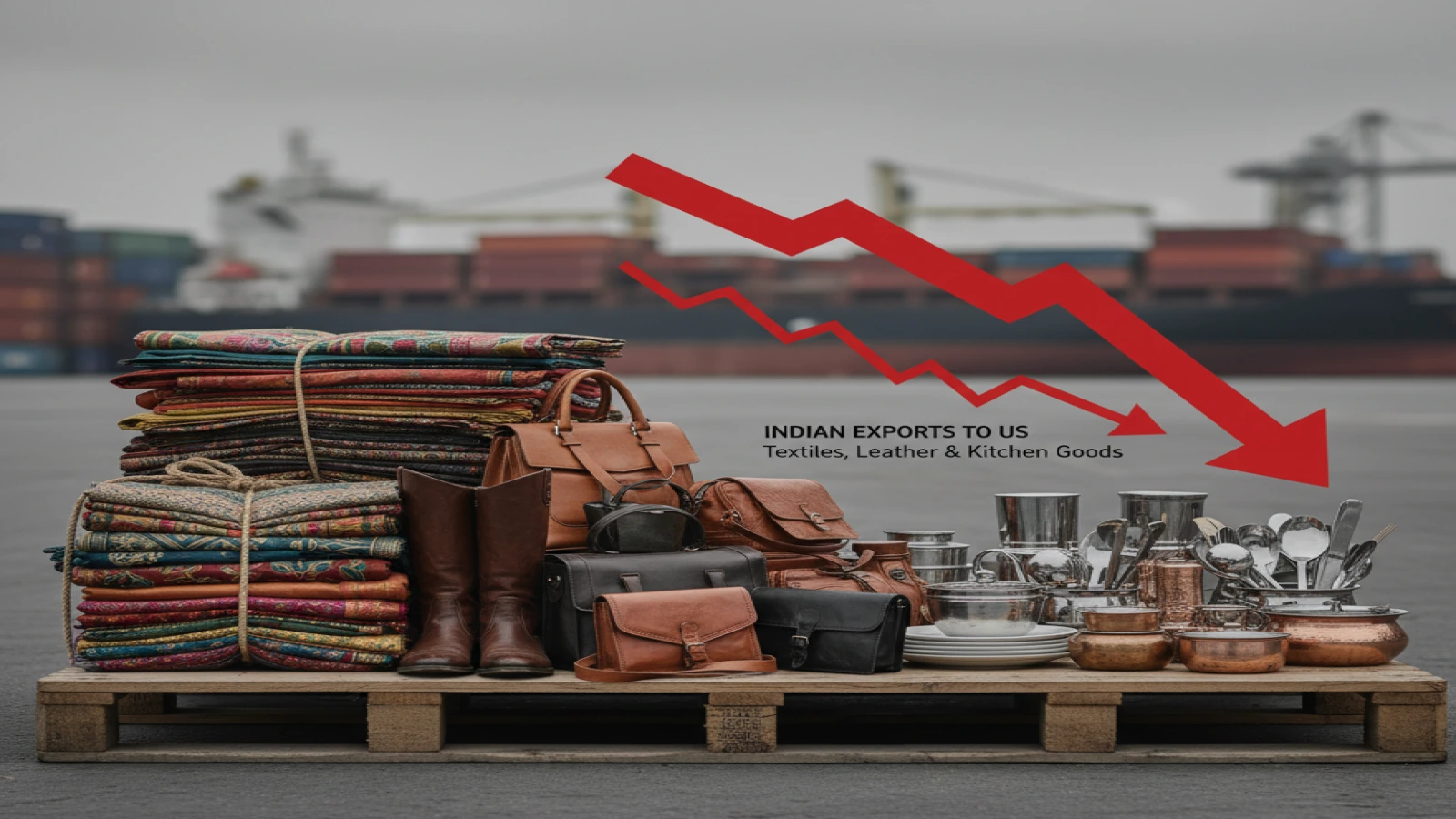
Exports to the United States showed moderate growth, increasing from $10,468 million in FY 2022-23 to $10,938 million in FY 2024-25, while exports to the EU remained largely stable. These trends highlight India’s ability to maintain its position in key markets through consistent supply capabilities and diversified offerings.
Policy Support and Diversification Drive Export Resilience
Industry experts attribute the sector’s resilience to multiple structural strengths, including competitive labour costs, strong raw material availability and improving manufacturing capabilities. Government-led trade facilitation measures and export promotion initiatives have also played a crucial role. Major factors influencing export performance include:
- Price competitiveness and productivity improvements
- Raw material availability and logistics efficiency
- Trade agreements and tariff structures
- Exchange rate movements
- Compliance with global quality standards
Regional clusters such as Tamil Nadu have continued to play a crucial role in export performance. Textile and apparel exports from the state stood at $6,605 million during April–January FY 2025-26, demonstrating stability despite global headwinds. Recent trade developments between India and the United States, including tariff adjustments and ongoing policy engagement, are also expected to influence export momentum going forward. The government continues to monitor global trade developments closely to safeguard the interests of Indian exporters.
Overall, the consistent performance of India’s textile and garment sector highlights its adaptability, diversified export base and strong manufacturing ecosystem key factors that continue to anchor its role as one of the country’s largest employment-generating industries.
03:33 PM, Mar 11


Barnet and CFC Team Up to Boost Recycled Carbon Fibre in Plastics
10:38 AM, Mar 13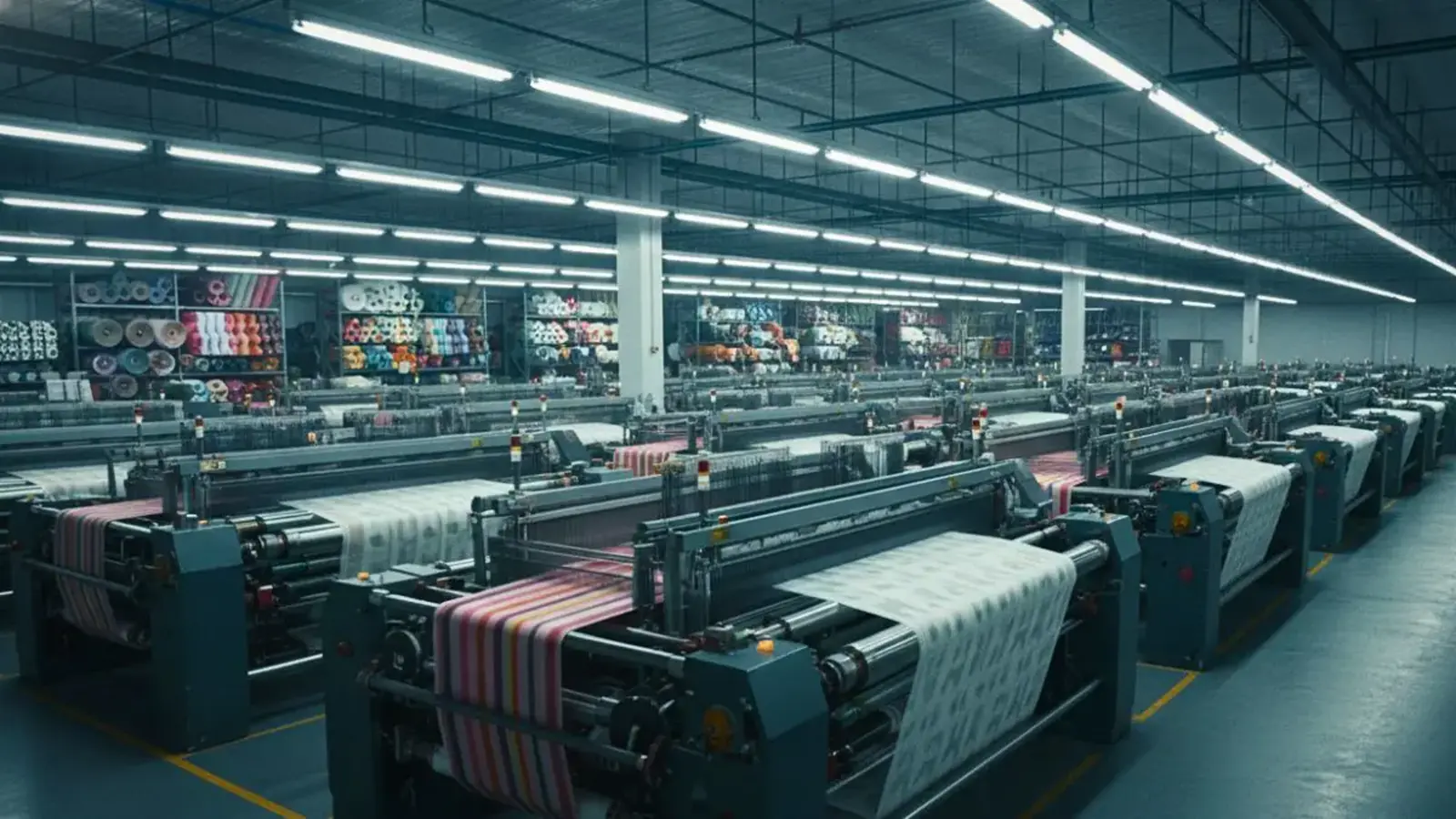
Geopolitical Tensions in West Asia Hit Bhilwara Textile Exports
10:08 AM, Mar 13
Industry Update


1.webp)
1.webp)

1.webp)

1.webp)


1.webp)

1.webp)
1.webp)

1.webp)


1.webp)
1.webp)
1.webp)



1.webp)
1.webp)


1.webp)


1.webp)

1.webp)


1.webp)

1.webp)


1.webp)


1.webp)
1.webp)
1.webp)


Kolkata Set to Become Textile Sourcing Hub as YARNEX and TEXINDIA Return in January 2026...view more
1.webp)
1.webp)


1.webp)


1.webp)

1.webp)

1.webp)
1.webp)

1.webp)


1.webp)

1.webp)


India Textile Industry 2025 Review: How US Tariffs Hit Exports, and the Road to Recovery...view more
1.webp)


1.webp)


1.webp)


Ludhiana MP Rajinder Gupta Presses Textile Sector Concerns in Meeting with FM Sitharaman...view more


1.webp)



1.webp)


1.webp)
1.webp)

1.webp)

1.webp)

.webp)



1.webp)


1.webp)








1.webp)










1.webp)



1.webp)


1.webp)


1.webp)




1.jpg)




















.png)


.jpg)
.jpg)


