

Gujarat Denim Mills Re-Stitch Business Model After US Tariff Shock
Share Post
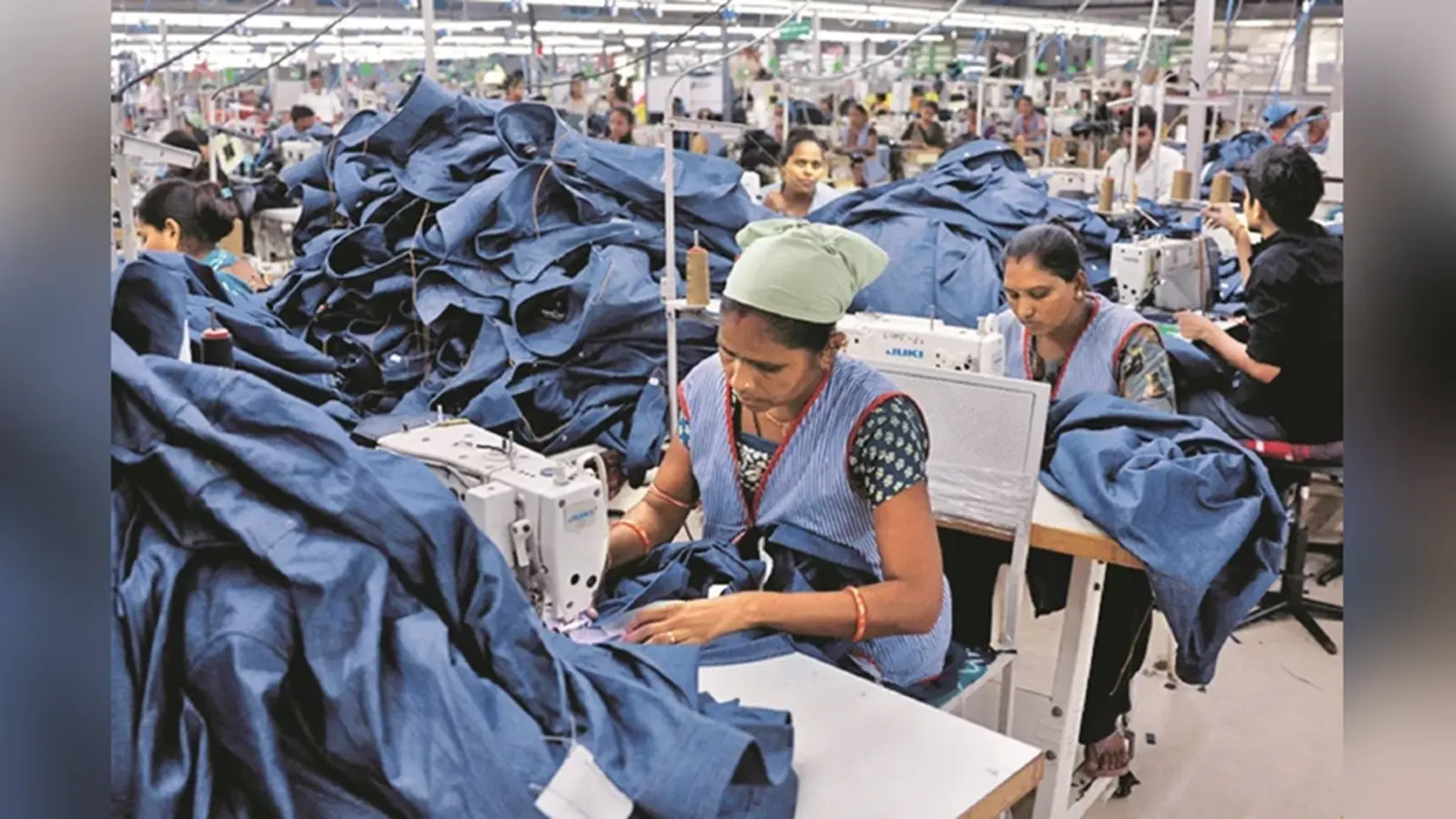
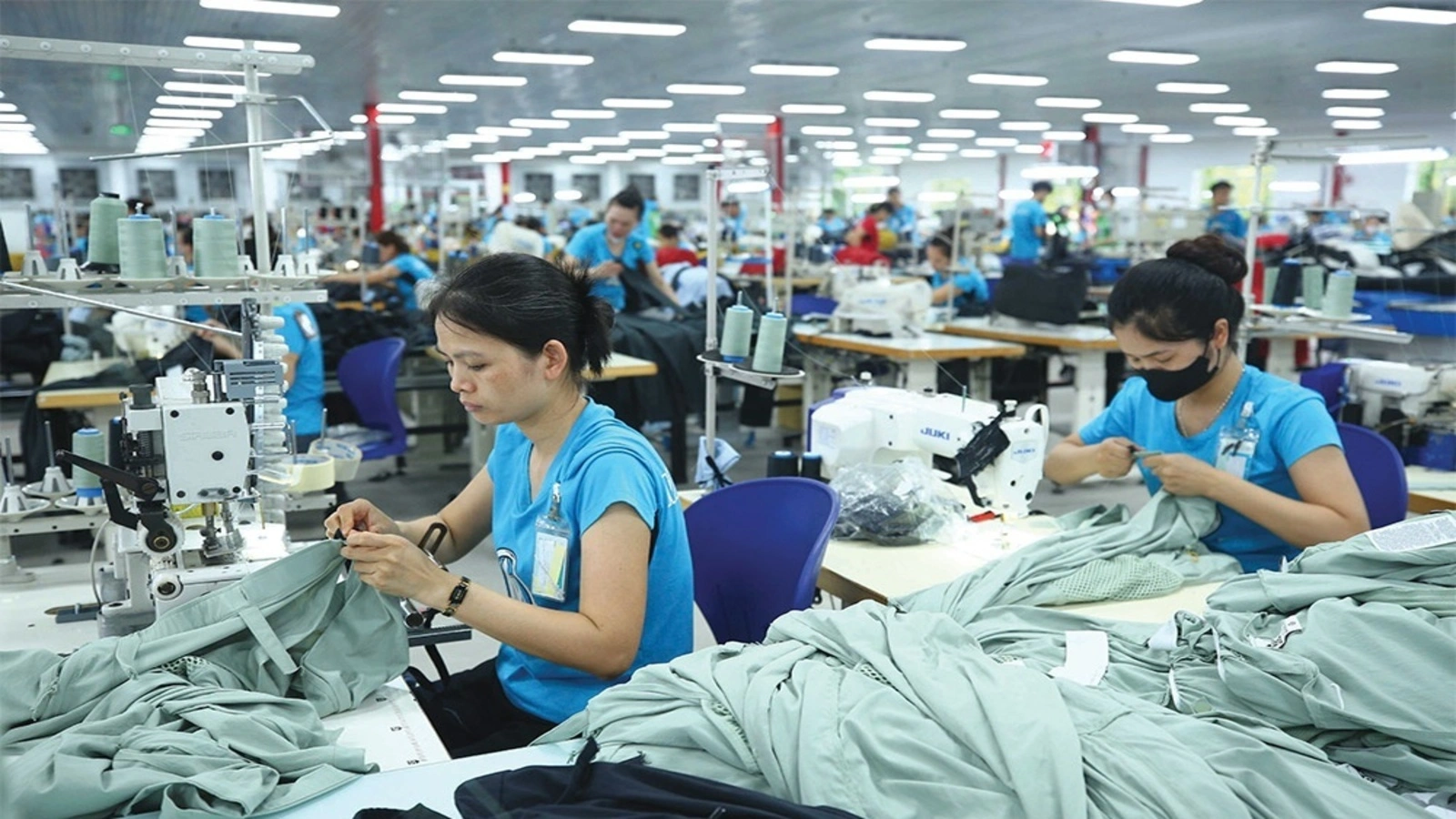
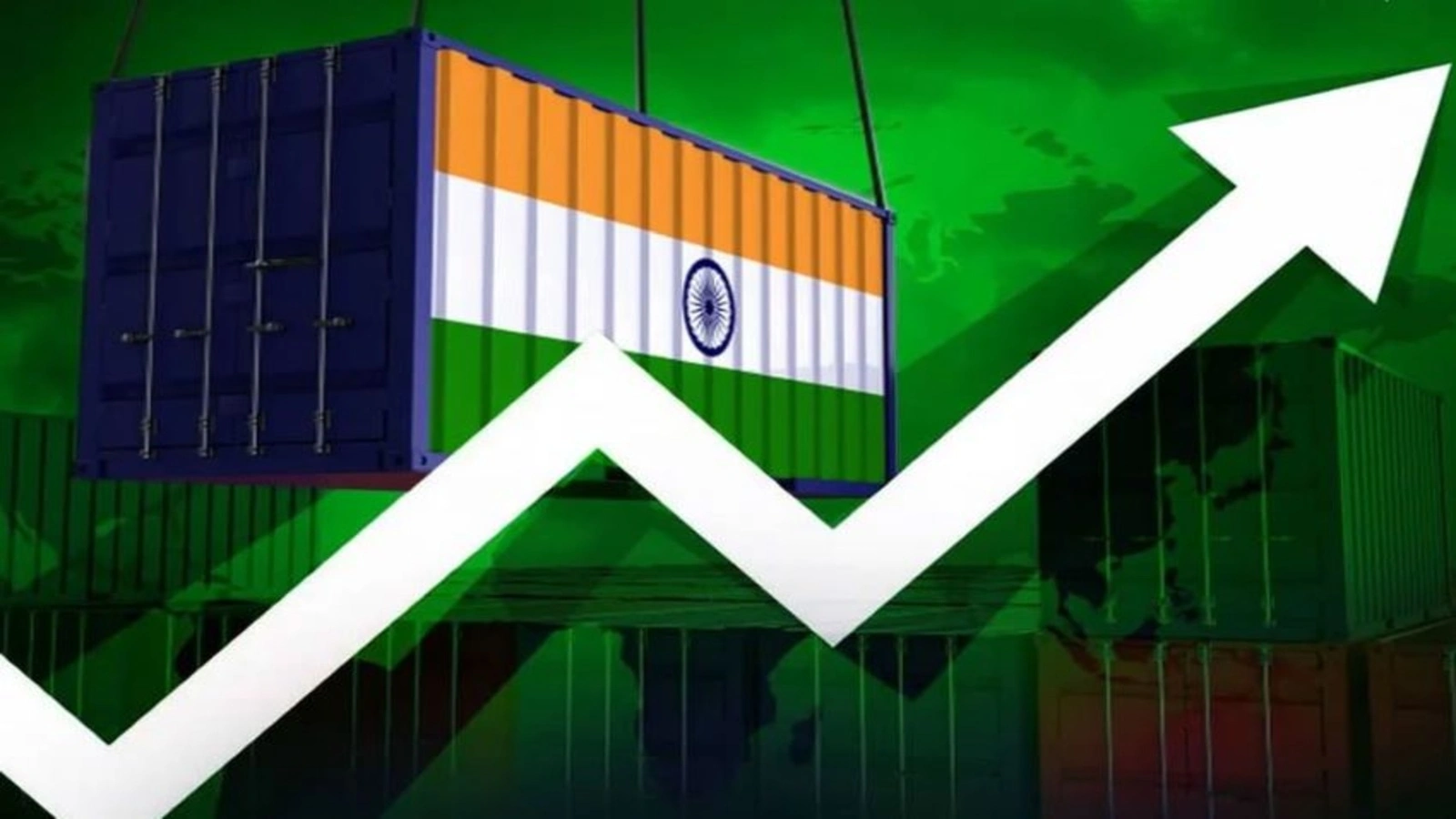
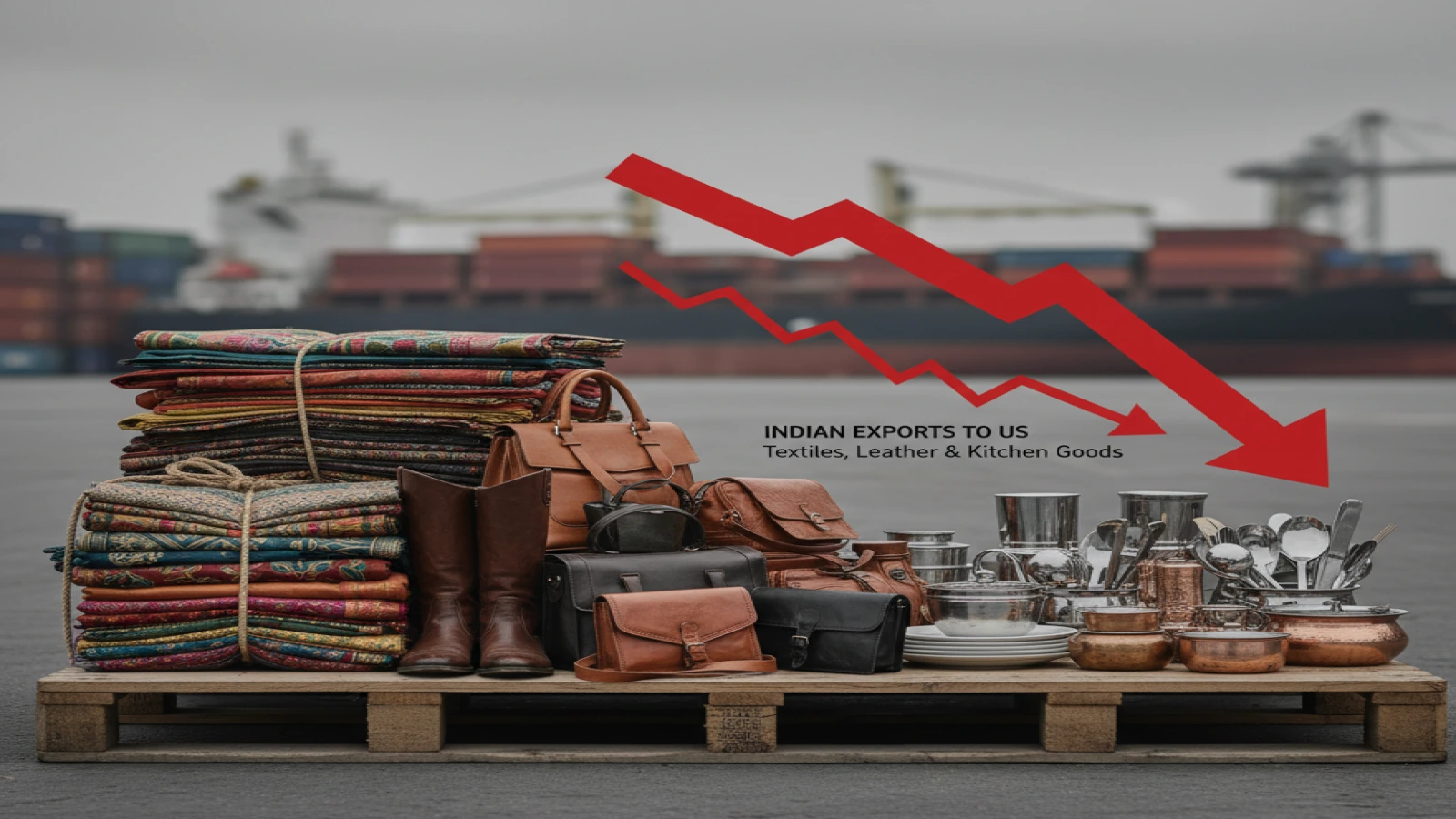
Gujarat’s once booming denim export industry is undergoing a significant transformation as steep tariffs imposed by the United States dramatically shrink its access to a key overseas market. The latest government data shows an 86% year-on-year plunge in denim exports to the U.S. in FY 2025-26 compared with the previous year, a shift that has forced mills across the state to rethink their business strategies.
Tariff Shock Hits Denim Exports Hard
The United States now imposes a 50% effective tariff on certain Indian textiles, including denim — combining baseline duties with additional punitive levies introduced in 2025 against Indian goods. This has made Indian denim significantly less competitive compared with supplies from other Asian producers such as Bangladesh and Vietnam.
Historically, the U.S. was a major buyer of Gujarat’s denim — helping sustain export-driven scale and comparatively stable prices for mills. With those export volumes now collapsed, manufacturers are now pivoting to domestic demand for survival.
Shift to Domestic Market and Competitive Pressures
Denim manufacturers in Gujarat are redirecting a growing portion of capacity to serve value-segment brands and fast-fashion labels within India. While domestic demand remains intact, the nature of this market differs sharply from export contracts — it is highly price-sensitive, trend-driven and dependent on rapid style shifts that shorten product life cycles.
Local buyers such as Reliance Retail, Zudio, and other fast fashion lines now absorb more production, but margins are tighter, and inventory must be more responsive to shifting consumer trends. Manufacturers are responding by lowering inventory levels and optimizing production cycles to maintain liquidity.
Capacity Utilisation and Operational Strategy
Despite export headwinds, many mills continue to operate at 75–80% capacity, buttressed in part by stable domestic orders and some continued international business outside the U.S. market. Industry experts say global demand for denim still exists, offering directional optimism — but current trade barriers have shifted the industry’s priorities toward agility and cost control rather than scale and export dependence.
Future Outlook and Industry Voices
Bharat Chhajer, former chairman of the Powerloom Development & Export Promotion Council, notes that the global denim market is still growing, and some international brands are sourcing Indian denim — yet the withdrawal from the U.S. market was a blow that forced structural changes.
Industry insiders stress that modernisation, backward integration and stronger supply chain resilience will be critical for Gujarat’s denim sector to stay competitive amid ongoing tariff uncertainties and shifting global trade patterns.
10:21 AM, Jan 20
Source : Gujarat Denim Mills Re-Stitch Business Model After US Tariff Shock
Other Related Topics


Industry Update


1.webp)

1.webp)


1.webp)


1.webp)
1.webp)
1.webp)


Kolkata Set to Become Textile Sourcing Hub as YARNEX and TEXINDIA Return in January 2026...view more
1.webp)
1.webp)


1.webp)


1.webp)

1.webp)

1.webp)
1.webp)

1.webp)


1.webp)

1.webp)


India Textile Industry 2025 Review: How US Tariffs Hit Exports, and the Road to Recovery...view more
1.webp)


1.webp)


1.webp)

Ludhiana MP Rajinder Gupta Presses Textile Sector Concerns in Meeting with FM Sitharaman...view more


1.webp)


1.webp)


1.webp)
1.webp)

1.webp)

1.webp)

.webp)


1.webp)


1.webp)






1.webp)







1.webp)



1.webp)


1.webp)


1.webp)




1.jpg)

















.png)


.jpg)
.jpg)


