

Longsheng Finalizes US$650M DyStar Acquisition from Kiri, Ending Legal Dispute
Share Post
Zhejiang Longsheng Group has officially completed its acquisition of the remaining minority stake in textile dyestuffs manufacturer DyStar Global Holdings, marking a significant consolidation in the global textile chemicals industry. The deal, valued at approximately US$650 million, sees Longsheng take 100% ownership of DyStar following the purchase of the 37.57% equity stake previously held by India’s Kiri Industries.
Background of the Deal
DyStar, headquartered in Singapore, is a major global provider of textile dyes, colorants, specialty chemicals, and related solutions, serving customers in textiles as well as other sectors like paints, coatings, and paper. Originally a joint venture with ownership shared between Zhejiang Longsheng Group and Kiri Industries, the company has now transitioned fully into Longsheng’s control.
The acquisition concludes a prolonged ownership dispute that involved legal proceedings and valuation disagreements that had spanned more than a decade. The completion of the transaction brings an end to the drawn-out governance wrangle and aligns DyStar’s strategic direction under Longsheng’s global chemical manufacturing vision.
Transaction Details
-
Buyer: Zhejiang Longsheng Group
-
Seller: Kiri Industries Limited
-
Stake Acquired: 37.57% in DyStar Global Holdings
-
Deal Value: ~US$650 million (finalized consideration for the minority stake)
-
Resulting Ownership: Longsheng now holds 100% of DyStar.
The acquisition was executed after extensive negotiations and legal wrangling, and represents a strategic leap for Longsheng, which will now integrate DyStar more deeply into its worldwide specialty chemicals portfolio.
Industry Implications
By consolidating DyStar under full ownership, Longsheng strengthens its market position in textile dyes and chemical solutions, enhancing its capability to innovate and supply across global markets. The move could translate into optimized operational synergies, expanded research and development, and sharper competitive edge within the textile industry’s chemical supply chain.
For Kiri Industries, the deal marks the conclusion of a challenging chapter and allows the company to redirect capital and resources toward new strategic priorities in its core and adjacent businesses.
03:12 PM, Jan 02
.webp)
.webp)
Epic Group Launches $100 Million Odisha Mega Garment Hub in India
12:59 PM, May 01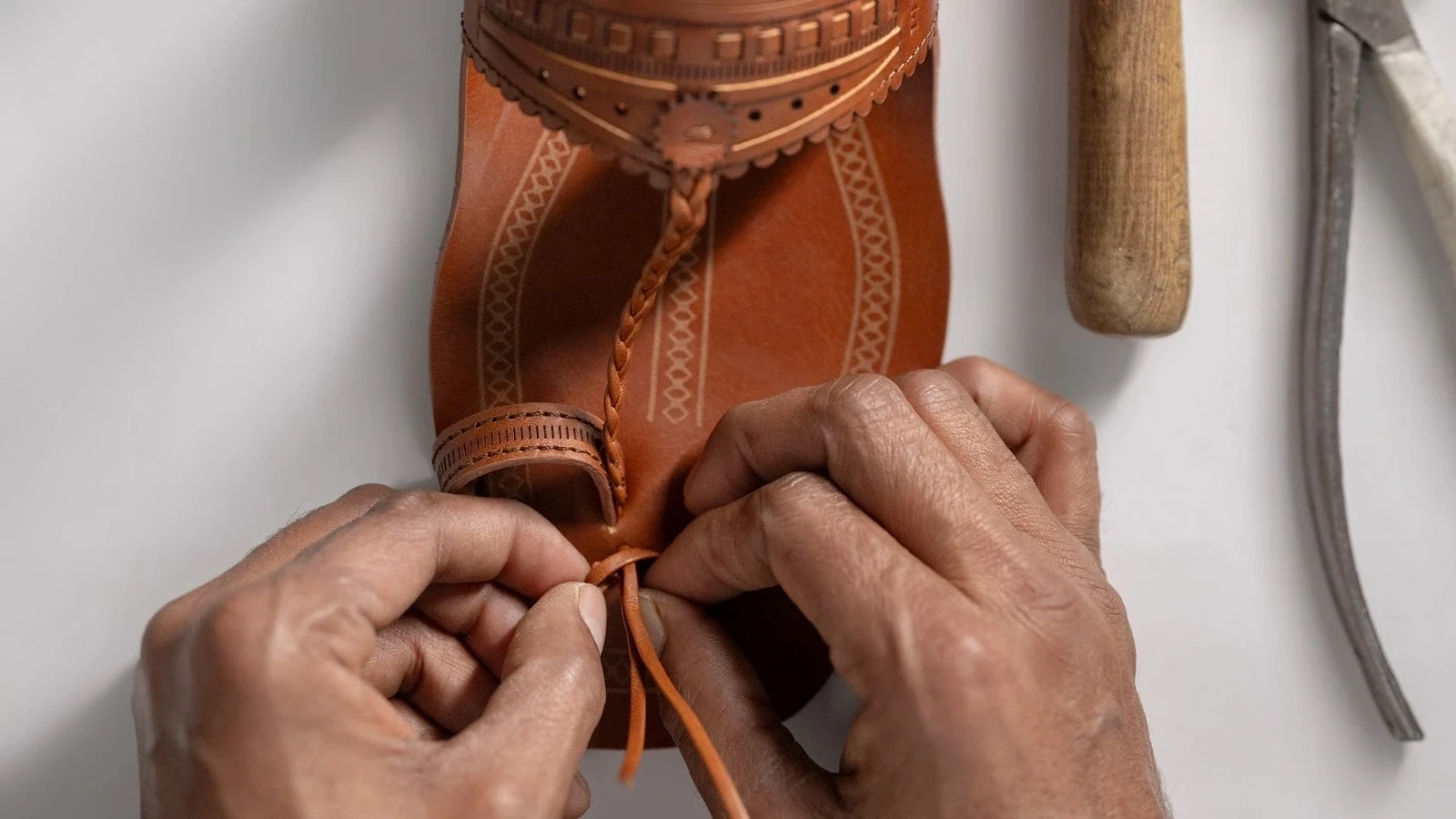
Prada Elevates Kolhapuri Craftsmanship to the Global Luxury Stage
04:25 PM, Apr 30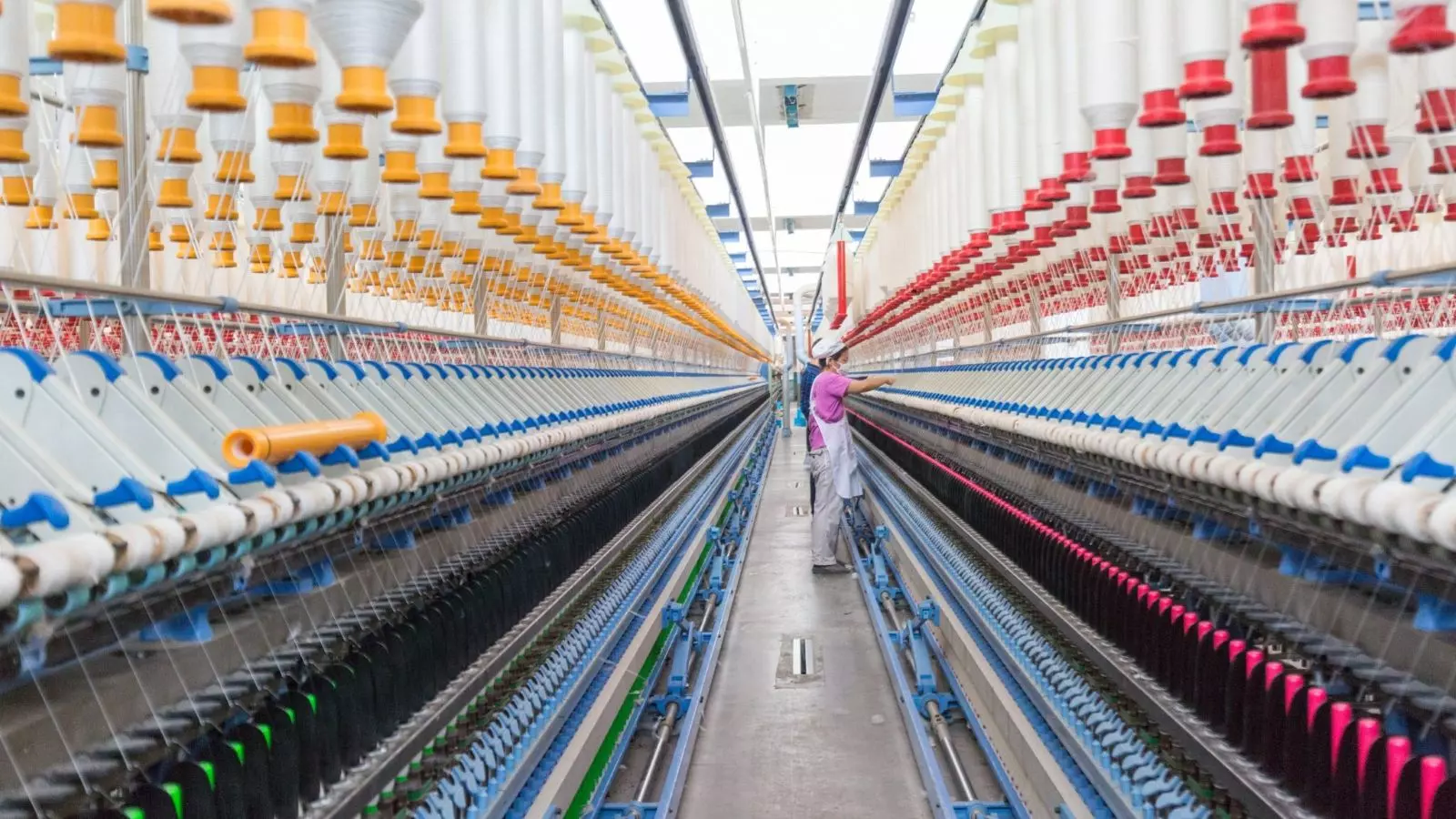
Industry Update
1.webp)
1.webp)

1.webp)


1.webp)

1.webp)
India’s Textile Exports Slip in FY26, Exposing Structural Gaps in Global Competitiveness...view more
1.webp)
1.webp)
1.webp)
.webp)
1.webp)
1.webp)
1.webp)
1.webp)
India Textile Exports Fall in FY26: Apparel Shows Slight Strength Amid Global Challenges...view more
1.webp)

1.webp)

1.webp)
1.webp)
1.webp)
1.webp)


India Expands ₹10,683 Crore Textile PLI Scheme to Boost MMF and Technical Textile Growth...view more

1.webp)
1.webp)
1.webp)
1.webp)
1.webp)
1.webp)







1.webp)
Tamil Nadu Emerges as India’s Textile Export Powerhouse with Nearly $8 Billion Shipments...view more
1.webp)


1.webp)

1.webp)


1.webp)


Uttar Pradesh’s New PM MITRA Textile Park Aims to Transform State into Major Textile Hub...view more
1.webp)


1.webp)
Punjab Eyes Green Transformation of Textile Processing Clusters to Attract Global Brands...view more


1.webp)
1.webp)

1.webp)

1.webp)


1.webp)

1.webp)
1.webp)

1.webp)


1.webp)
1.webp)
1.webp)



1.webp)
1.webp)


1.webp)


1.webp)
1.webp)


1.webp)

1.webp)


1.webp)


1.webp)
1.webp)
1.webp)


Kolkata Set to Become Textile Sourcing Hub as YARNEX and TEXINDIA Return in January 2026...view more
1.webp)
1.webp)


1.webp)


1.webp)

1.webp)

1.webp)
1.webp)

1.webp)


1.webp)

1.webp)


India Textile Industry 2025 Review: How US Tariffs Hit Exports, and the Road to Recovery...view more
1.webp)


1.webp)


1.webp)

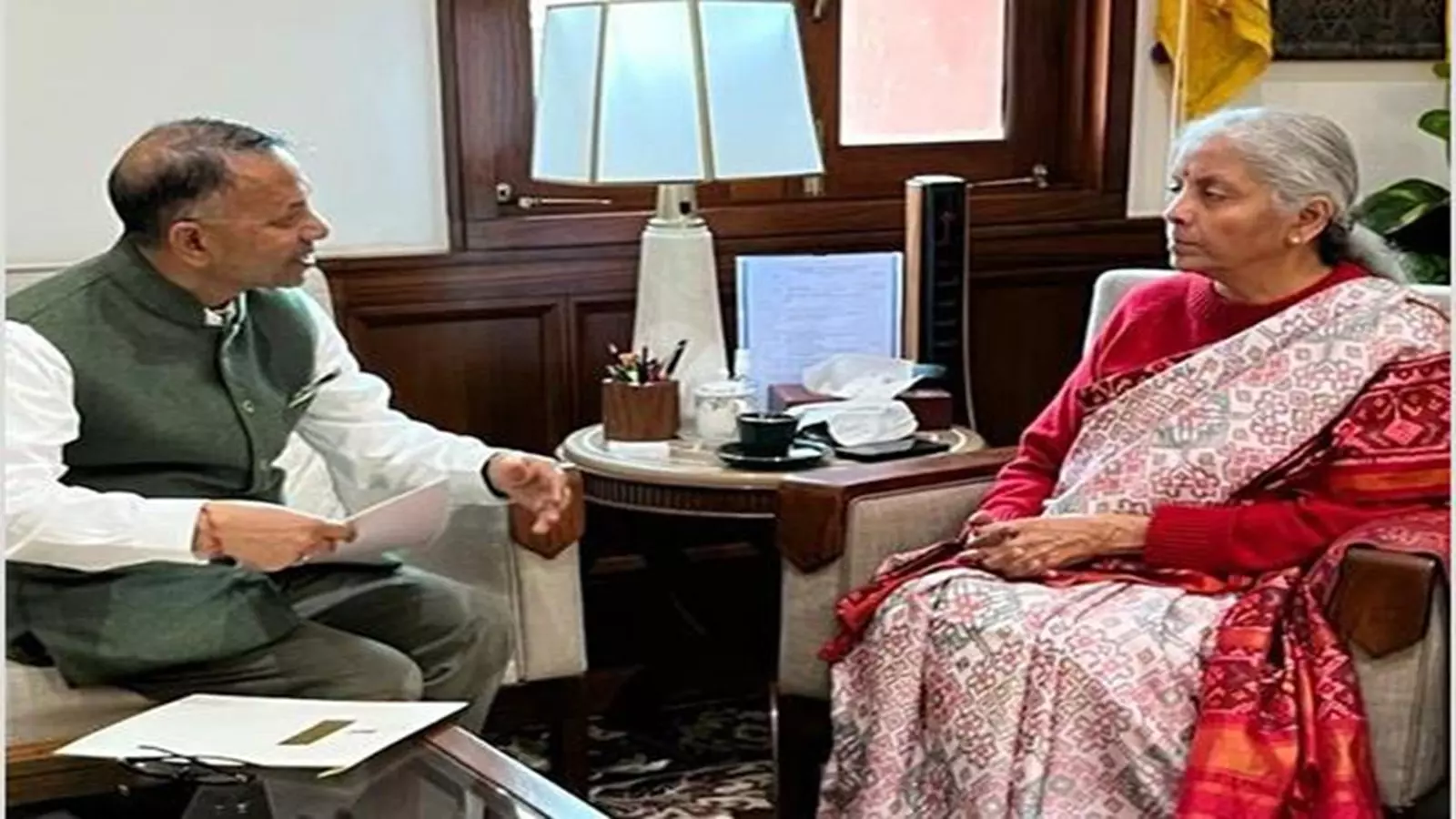
Ludhiana MP Rajinder Gupta Presses Textile Sector Concerns in Meeting with FM Sitharaman...view more

1.webp)


1.webp)


1.webp)
1.webp)

1.webp)

1.webp)

.webp)


1.webp)


1.webp)





1.webp)




1.webp)


1.webp)


1.webp)


1.webp)




1.jpg)















.png)


.jpg)
.jpg)


