

US Tariffs Hit Lesotho Garment Industry, Leaving Thousands of Workers Jobless

Share Post
The garment and textile industry in Lesotho, a small African nation heavily dependent on apparel exports, is facing a deep crisis following the introduction of new US tariffs on clothing imports. The move has sharply reduced exports to the United States, leading to job losses, factory shutdowns, and economic distress for thousands of garment workers.
For years, Lesotho benefited from duty-free access to the US market under the African Growth and Opportunity Act (AGOA), which allowed its garment factories to supply major American brands without import taxes. This trade arrangement helped make textiles the country’s largest private-sector employer, providing stable jobs mainly to women workers.
What Changed
In late 2025, the AGOA trade preference expired, and at the same time, the US imposed higher tariffs on textile and apparel imports under policies linked to former President Donald Trump’s trade agenda. Although some tariffs were later reduced, they remained high enough to make Lesotho’s garments less competitive compared to products from other countries.
As a result, US buyers either cut back orders or shifted sourcing to alternative markets, causing a sharp decline in factory production in Lesotho.
Impact on Workers and Industry
The consequences have been severe:
-
Thousands of garment workers have been laid off or placed on unpaid leave
-
Factory working hours have been reduced significantly
-
Many households have lost their primary source of income
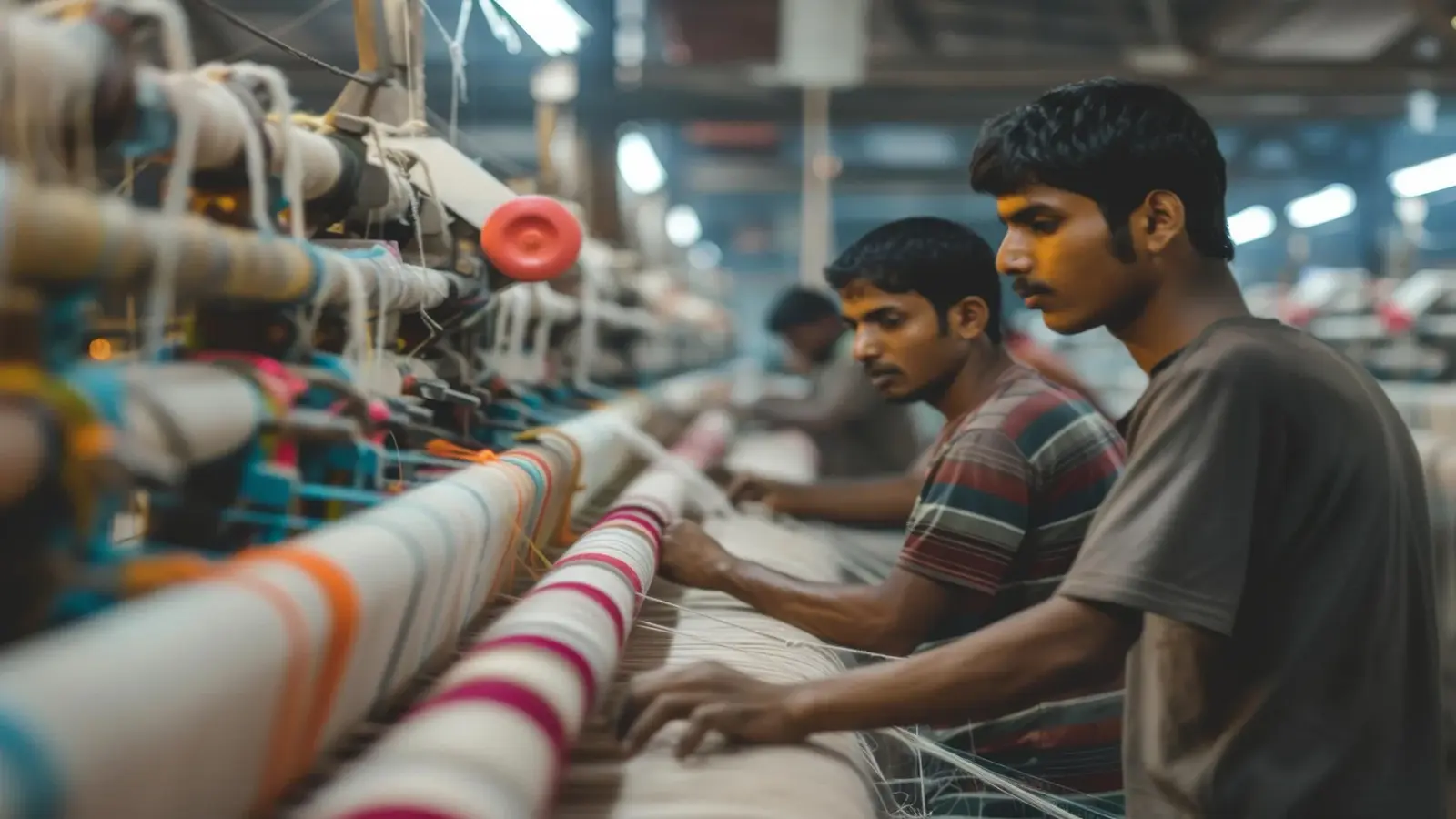
Workers who once earned steady wages stitching clothing for US retailers are now struggling to meet basic needs such as food, rent, and school fees. Outside several factories, former employees wait daily in hopes of temporary or informal work.
Economic Fallout
The textile and garment sector plays a crucial role in Lesotho’s economy, contributing significantly to exports and employment. With declining exports, the country now faces:
-
Rising unemployment
-
Reduced foreign exchange earnings
-
Increased pressure on government welfare systems
Industry leaders warn that if tariff barriers continue, Lesotho risks losing its position as a key apparel supplier and could see long-term damage to its manufacturing base.
Broader Global Context
The situation highlights how global trade policies and tariffs can have far-reaching effects beyond major economies. While tariffs aim to protect domestic industries, they can also disrupt supply chains and disproportionately impact workers in developing countries that rely on export-driven manufacturing.
10:42 AM, Jan 09
Source : US Tariffs Hit Lesotho Garment Industry, Leaving Thousands of Workers Jobless


Industry Update


1.webp)

1.webp)


1.webp)


1.webp)
1.webp)
1.webp)


Kolkata Set to Become Textile Sourcing Hub as YARNEX and TEXINDIA Return in January 2026...view more
1.webp)
1.webp)


1.webp)


1.webp)

1.webp)

1.webp)
1.webp)

1.webp)


1.webp)

1.webp)


India Textile Industry 2025 Review: How US Tariffs Hit Exports, and the Road to Recovery...view more
1.webp)


1.webp)


1.webp)




Ludhiana MP Rajinder Gupta Presses Textile Sector Concerns in Meeting with FM Sitharaman...view more


1.webp)



1.webp)


1.webp)
1.webp)

1.webp)

1.webp)

.webp)



1.webp)



1.webp)








1.webp)








1.webp)



1.webp)


1.webp)


1.webp)





1.jpg)



















.png)


.jpg)
.jpg)


