

After COP30, India Pushes to Future-Proof Textile Raw Material Base
Share Post
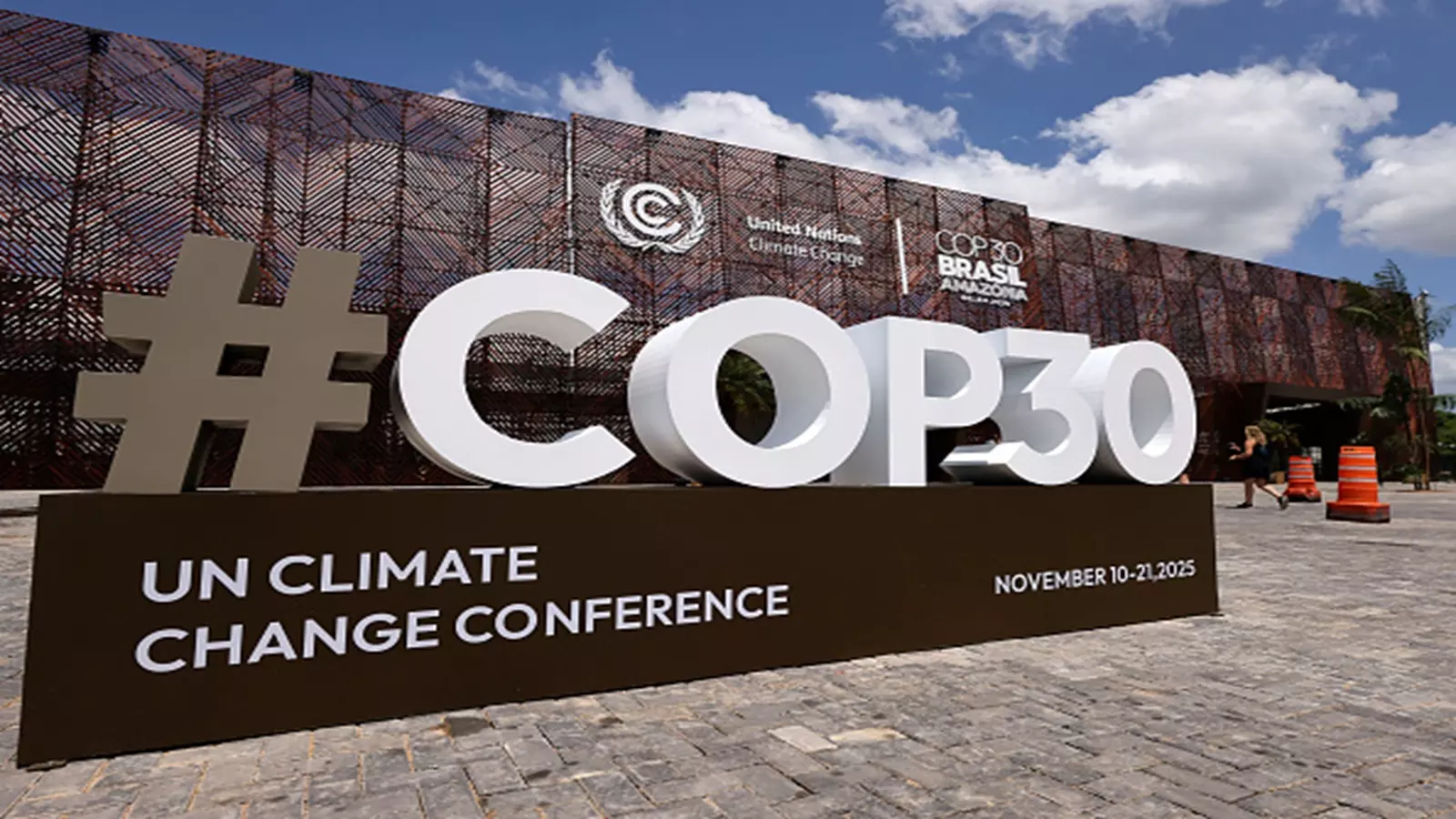
As the dust settles on COP30 in Belém, the global climate summit has reset expectations around forest-safe supply chains, transparency, and sustainable sourcing, with significant implications for India’s textile industry. Experts say this moment is not just about environmental commitments, but strategic economic advantage in global markets that increasingly value climate-aligned production.
Authored by Suryaprabha Sadasivan, Senior Vice President at Chase Advisors, the analysis highlights how India’s textile ecosystem, already central to national growth aspirations like Make in India and Viksit Bharat 2047, must adapt its raw material strategy or risk losing ground in premium export markets.
Why Raw Materials Matter More Than Ever
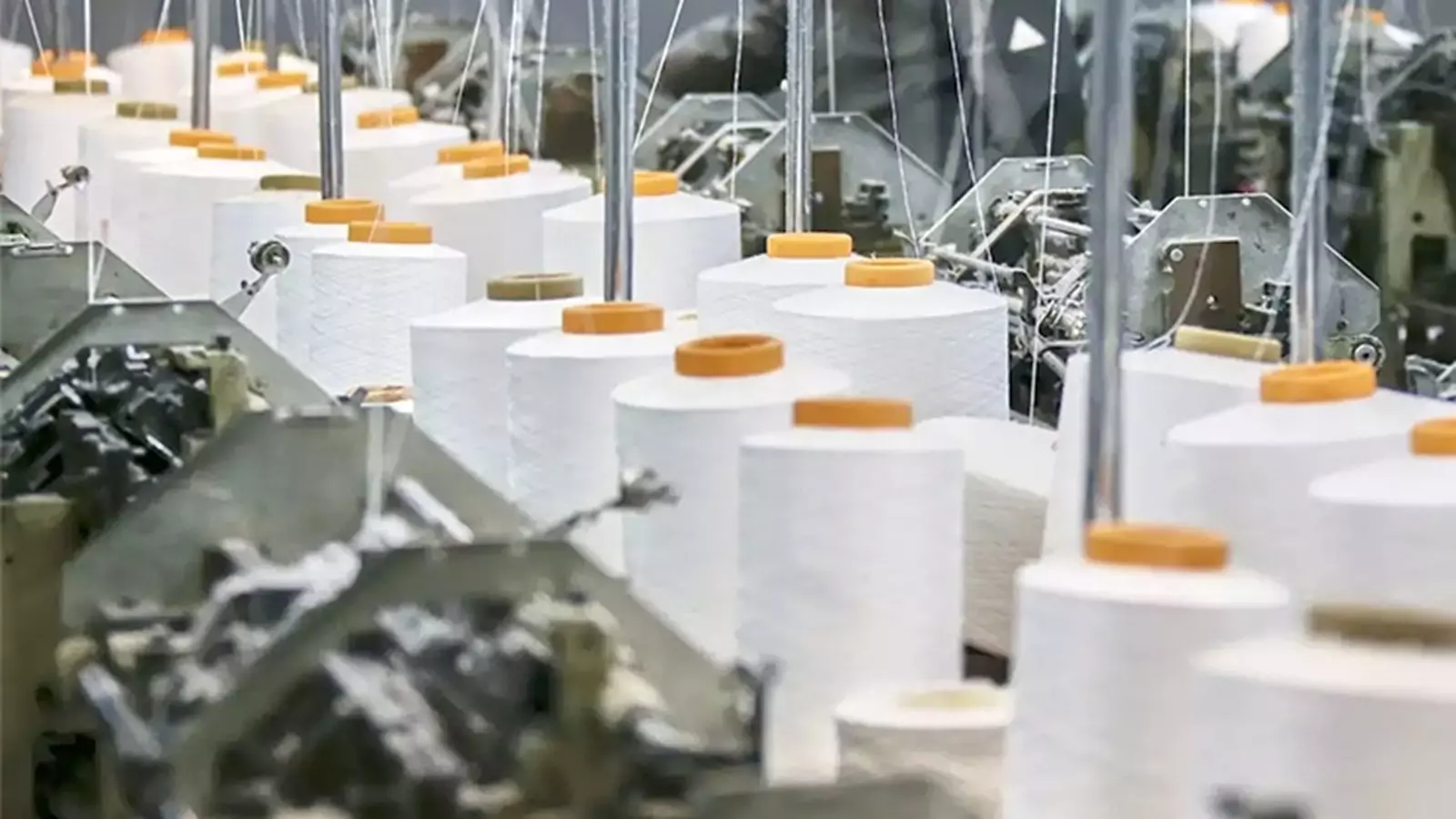
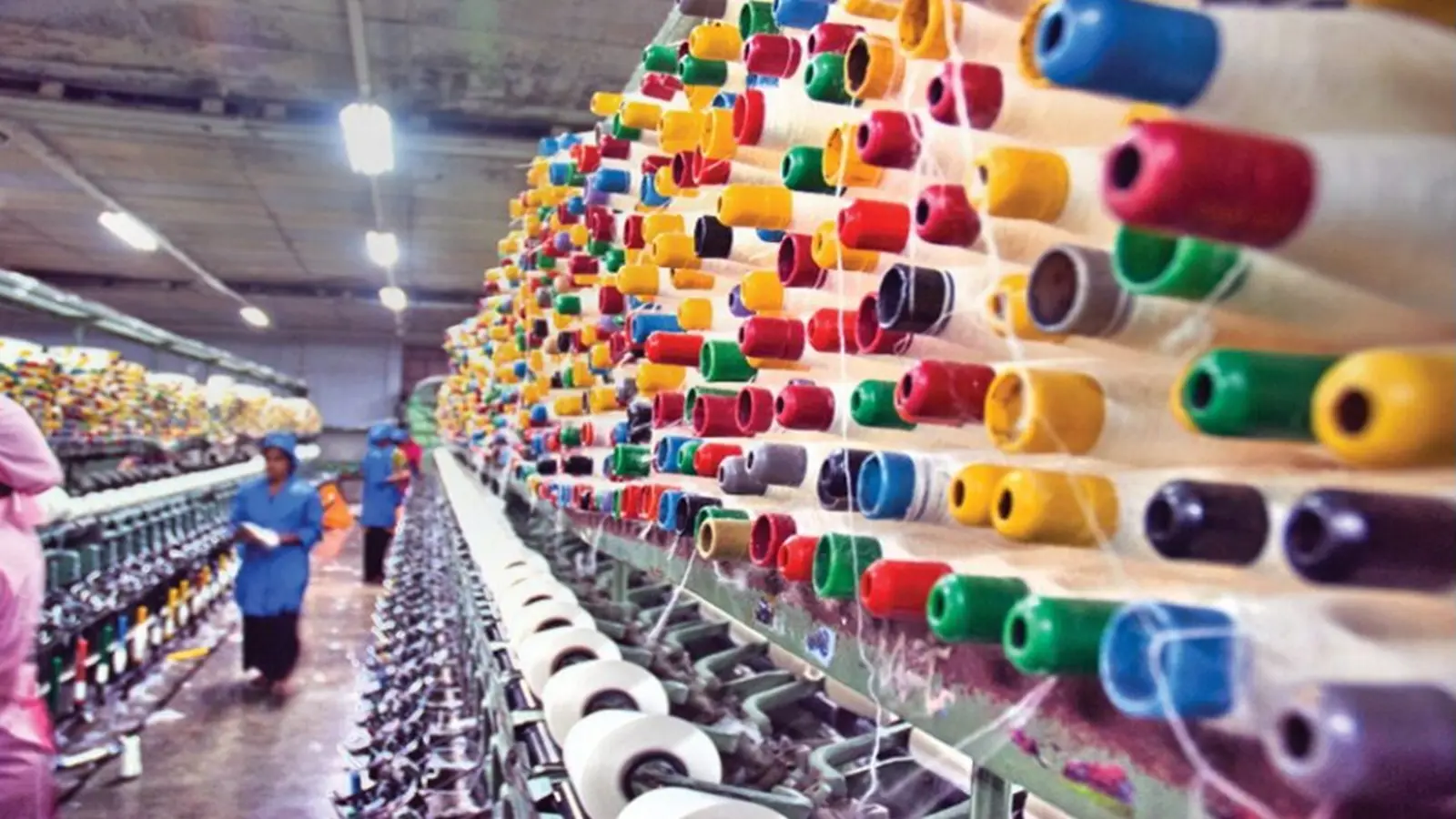
India’s textile and apparel sector, valued at an estimated $165 billion in 2022 and projected to reach $350 billion by 2030, is increasingly reliant on Man-made fibres (MMF) such as viscose. MMF demand in India is growing annually by 7–8% due to shifts in fashion, performance requirements, and affordability.
However, the country sources a substantial share of its viscose staple fibre (VSF) and other wood-based inputs through imports — particularly from Indonesia.
While this import dependence keeps production costs competitive, it poses two main risks under evolving global norms:
-
Forest-Risk Inputs Under Scrutiny: Global regulations like the EU’s Deforestation-Free Products Regulation and the UK Environment Act now demand higher traceability and sustainability for fibre inputs — especially from regions linked to deforestation.
-
Traceability Gap: India currently lacks a national framework to verify if imported fibres meet internationally recognised sustainability standards. This mismatch could limit access to regulated markets and premium buyers.
Export Risk and Competitive Positioning
As global buyers adopt stricter due-diligence requirements, Indian exporters relying on uncertified inputs may face barriers to market entry or buyer preference shifts. Conversely, investment in traceable, low-risk fibre sources could enhance India’s standing as a sustainable manufacturing hub.
Experts argue that policy and trade alignment — including revisiting tariff structures that currently disadvantage certified pulp imports — would help ensure sustainability does not come at the expense of competitiveness.
Policy Imperatives for India’s Textile Value Chain
To align with COP30-led global expectations and secure long-term growth, the article recommends:
-
Establishing a risk-based screening system for wood-based fibre imports that prioritises legality, traceability, and environmental integrity.
-
Developing a national traceability pathway in partnership with the private sector to help exporters credibly showcase sustainable sourcing.
-
Reviewing the inverted duty regime that currently favours cheaper imports over certified, responsible supplies, thereby enhancing sustainability and export appeal.
Looking Ahead
In a global market increasingly shaped by climate commitments and responsible sourcing, India’s textile industry stands at a critical crossroads. Strengthening its raw material fundamentals — with sustainability, traceability and economic incentives — could not only preserve export access but also help Indian textiles emerge as a trusted choice for environmentally conscious global brands.
05:15 PM, Jan 19
.webp)
.webp)
Epic Group Launches $100 Million Odisha Mega Garment Hub in India
12:59 PM, May 01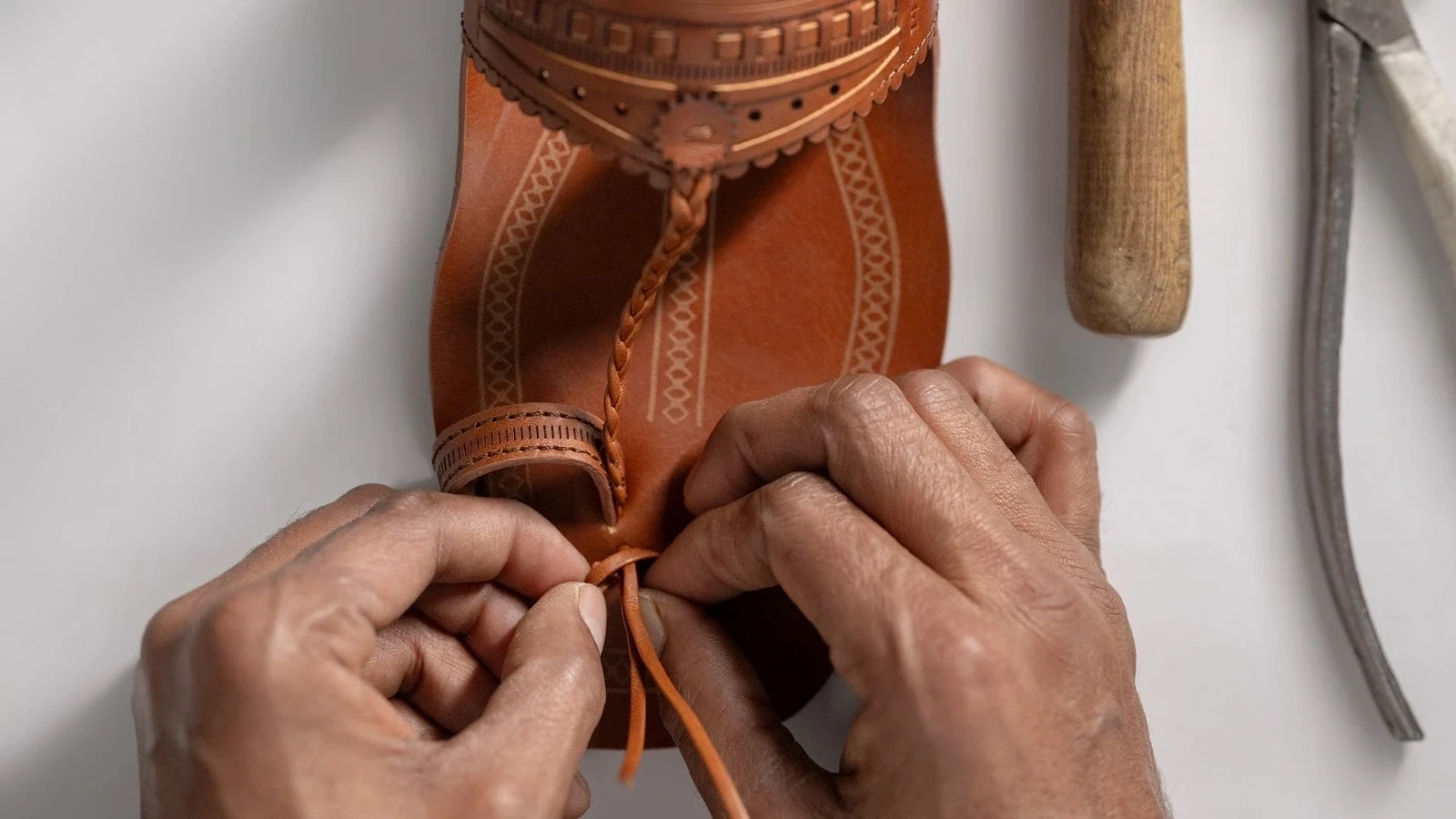
Prada Elevates Kolhapuri Craftsmanship to the Global Luxury Stage
04:25 PM, Apr 30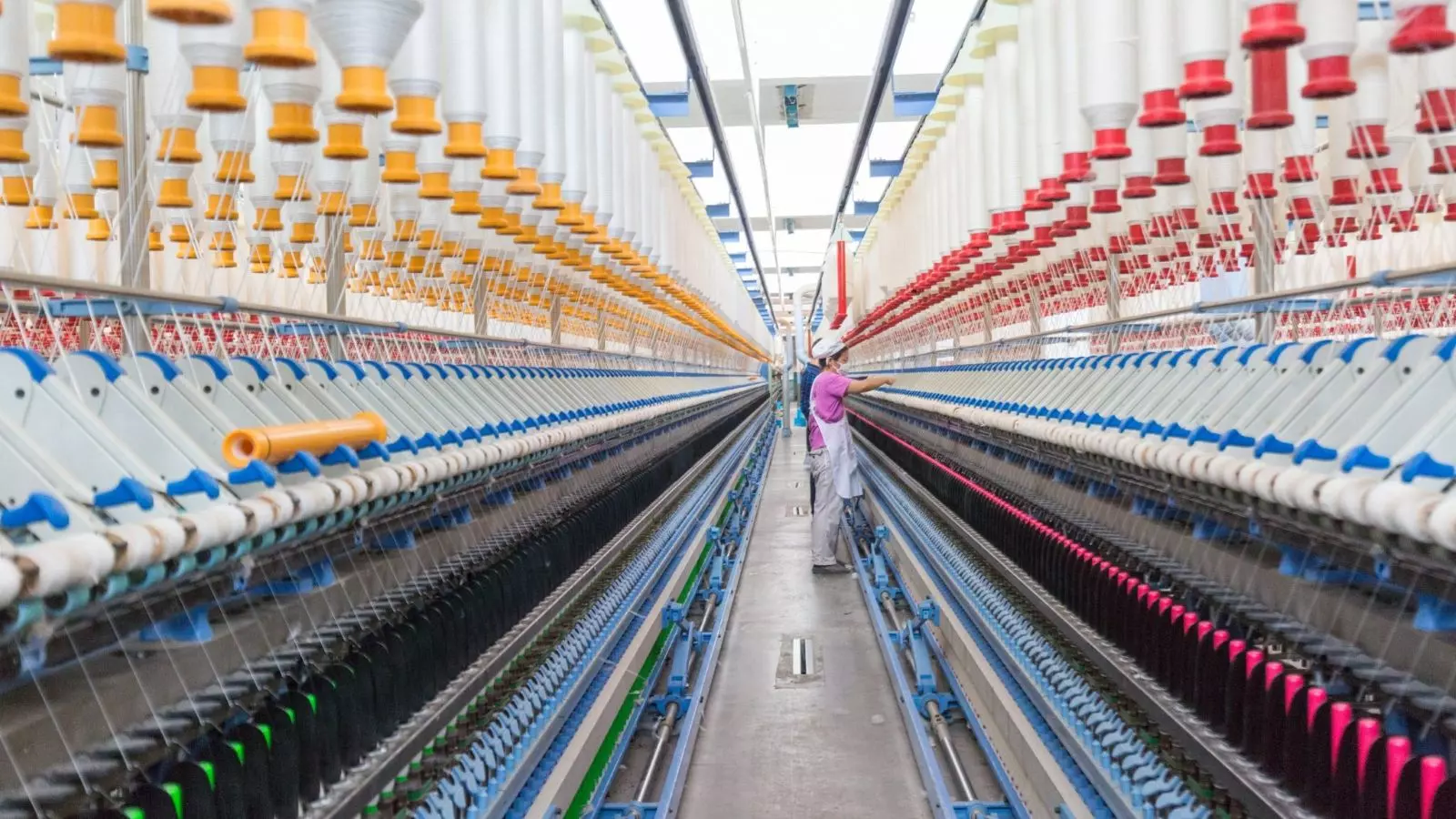
Industry Update
1.webp)
1.webp)

1.webp)


1.webp)
1.webp)
India’s Textile Exports Slip in FY26, Exposing Structural Gaps in Global Competitiveness...view more
1.webp)
1.webp)
1.webp)
.webp)

1.webp)
1.webp)
1.webp)
1.webp)
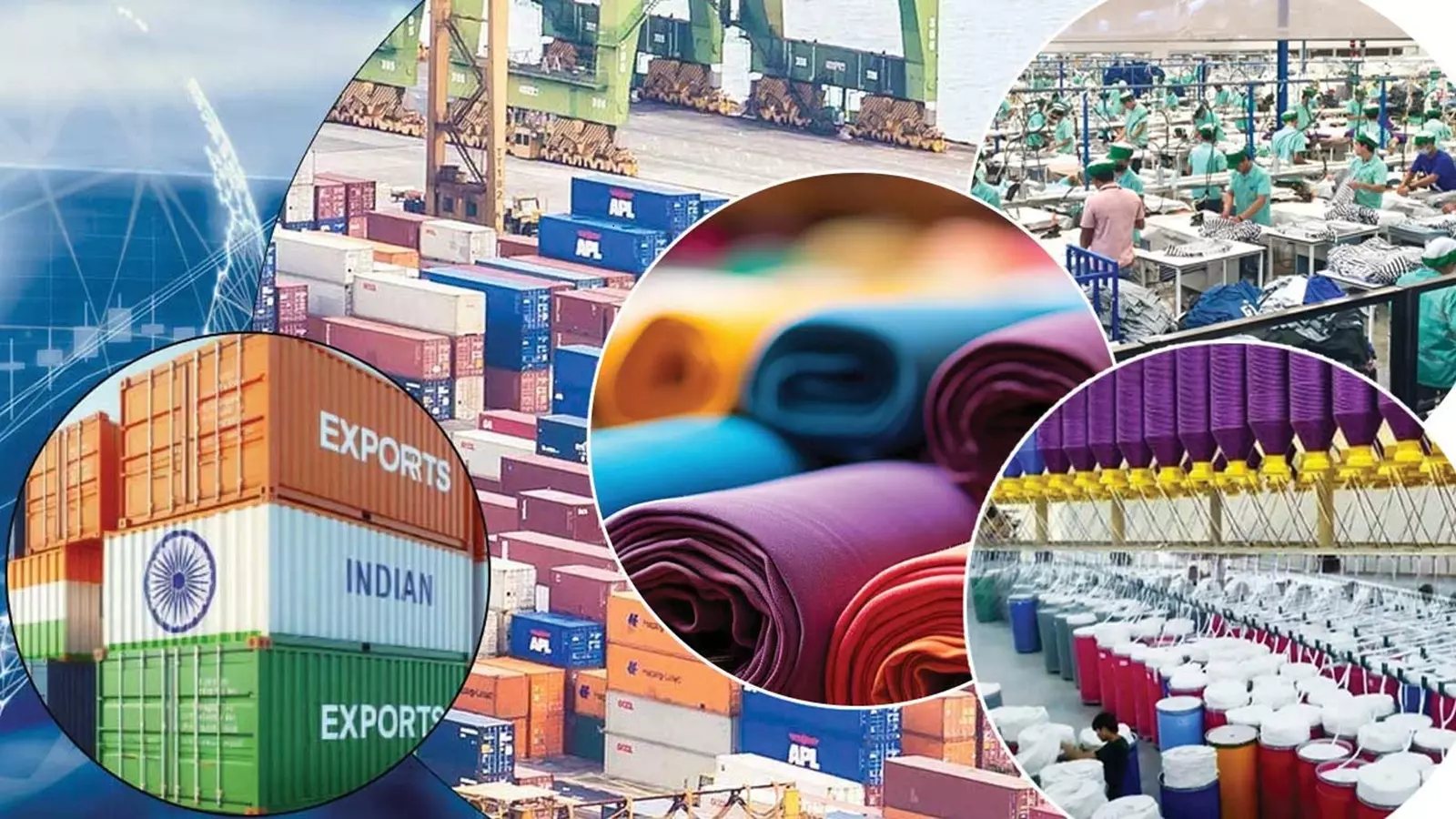
India Textile Exports Fall in FY26: Apparel Shows Slight Strength Amid Global Challenges...view more
1.webp)

1.webp)

1.webp)
1.webp)
1.webp)
1.webp)


India Expands ₹10,683 Crore Textile PLI Scheme to Boost MMF and Technical Textile Growth...view more

1.webp)
1.webp)
1.webp)
1.webp)
1.webp)
1.webp)







1.webp)
Tamil Nadu Emerges as India’s Textile Export Powerhouse with Nearly $8 Billion Shipments...view more
1.webp)


1.webp)

1.webp)


1.webp)


Uttar Pradesh’s New PM MITRA Textile Park Aims to Transform State into Major Textile Hub...view more
1.webp)


1.webp)
Punjab Eyes Green Transformation of Textile Processing Clusters to Attract Global Brands...view more


1.webp)
1.webp)

1.webp)

1.webp)


1.webp)

1.webp)
1.webp)

1.webp)


1.webp)
1.webp)
1.webp)



1.webp)
1.webp)


1.webp)


1.webp)

1.webp)


1.webp)

1.webp)


1.webp)


1.webp)
1.webp)
1.webp)


Kolkata Set to Become Textile Sourcing Hub as YARNEX and TEXINDIA Return in January 2026...view more
1.webp)
1.webp)


1.webp)


1.webp)

1.webp)

1.webp)
1.webp)

1.webp)


1.webp)

1.webp)


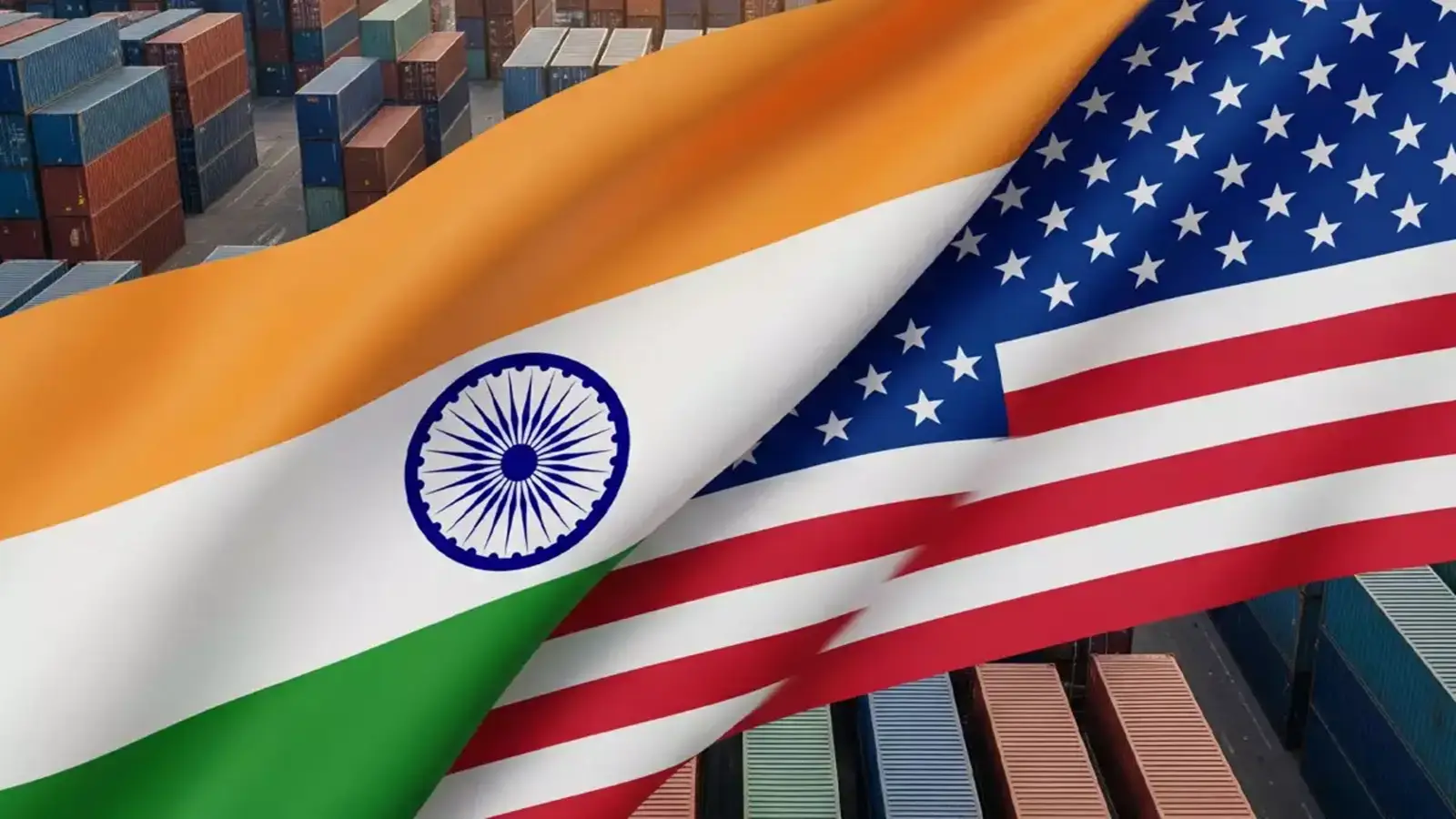
India Textile Industry 2025 Review: How US Tariffs Hit Exports, and the Road to Recovery...view more
1.webp)


1.webp)


1.webp)


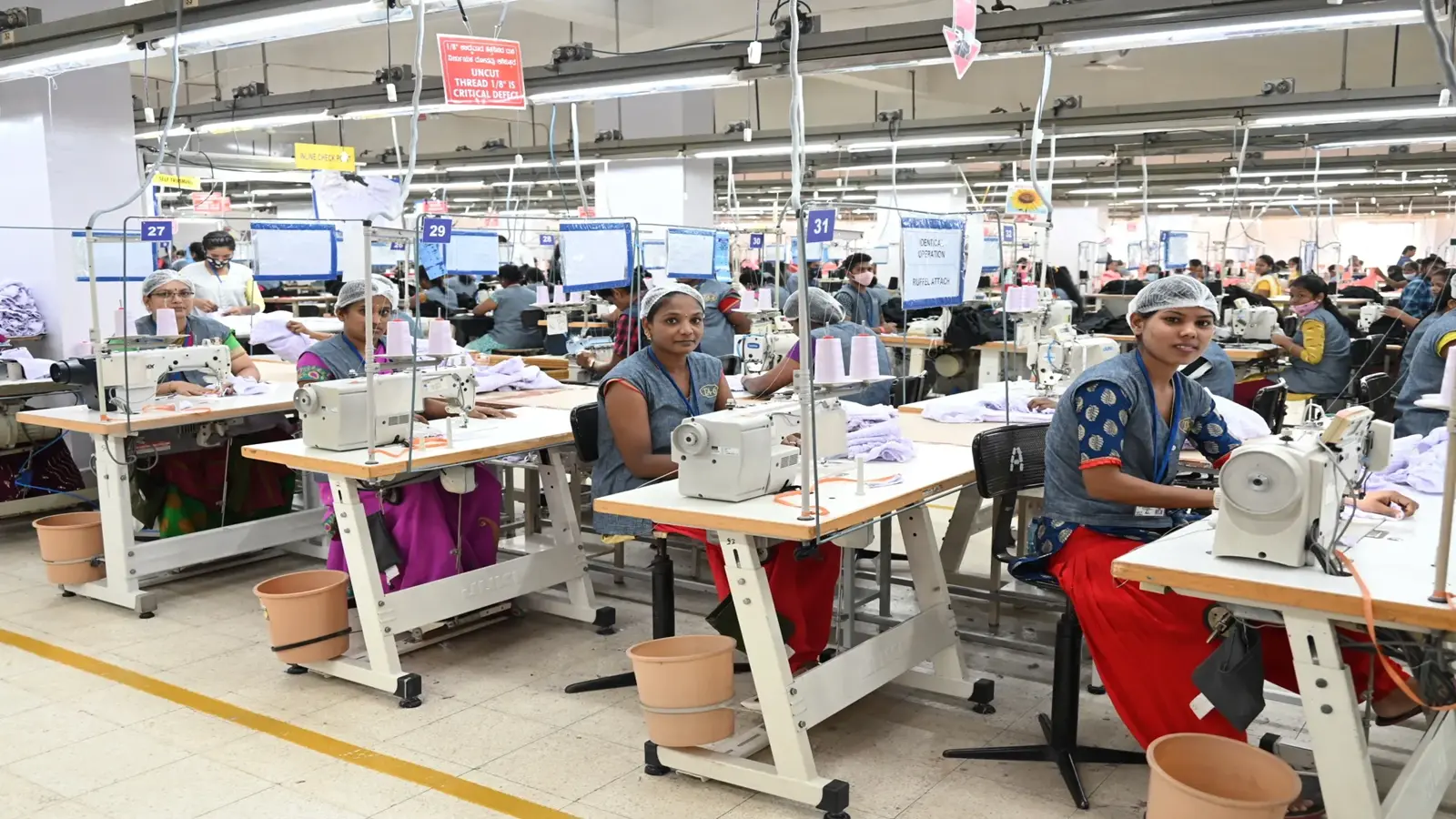
Ludhiana MP Rajinder Gupta Presses Textile Sector Concerns in Meeting with FM Sitharaman...view more


1.webp)


1.webp)


1.webp)
1.webp)

1.webp)

1.webp)

.webp)



1.webp)


1.webp)





1.webp)






1.webp)



1.webp)


1.webp)


1.webp)




1.jpg)


















.png)


.jpg)
.jpg)


