

Geopolitical Tensions in West Asia Hit Bhilwara Textile Exports
Share Post
The ongoing geopolitical conflict in West Asia has begun to significantly impact the textile industry in Bhilwara, one of India’s largest textile manufacturing hubs. Export orders worth nearly ₹800–₹1,000 crore are currently stalled as trade disruptions and uncertain market conditions affect shipments to key international markets.
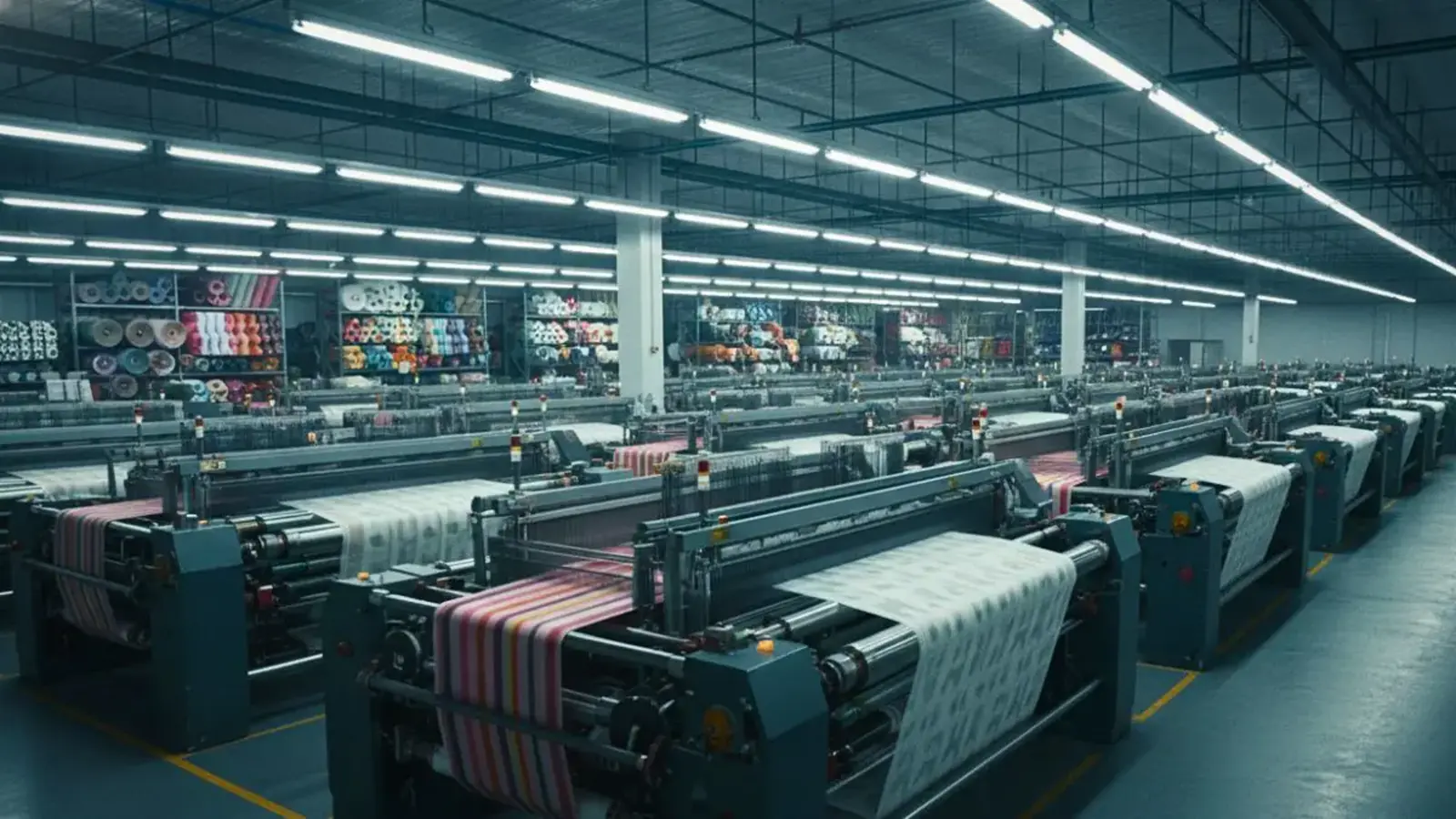
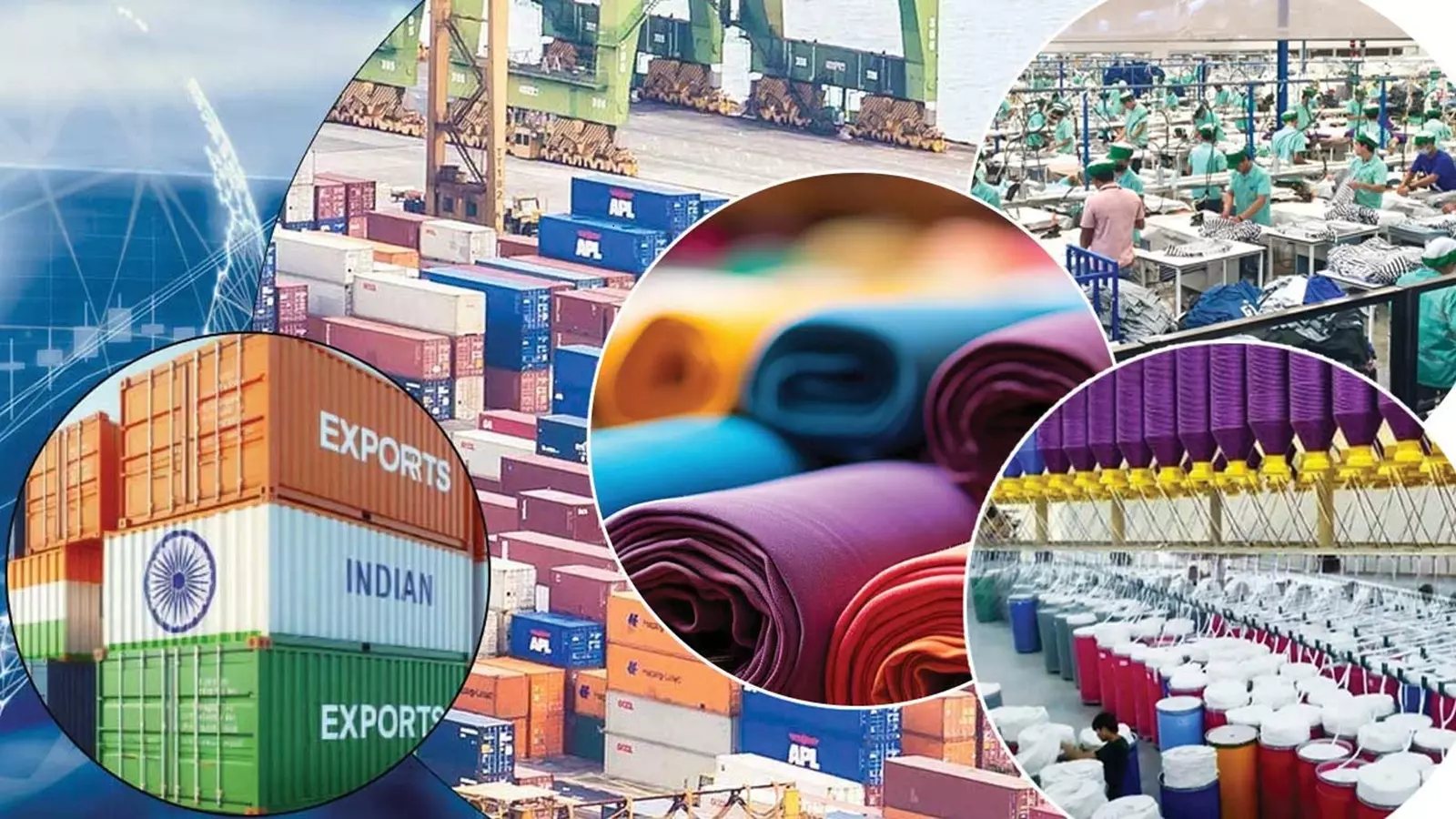
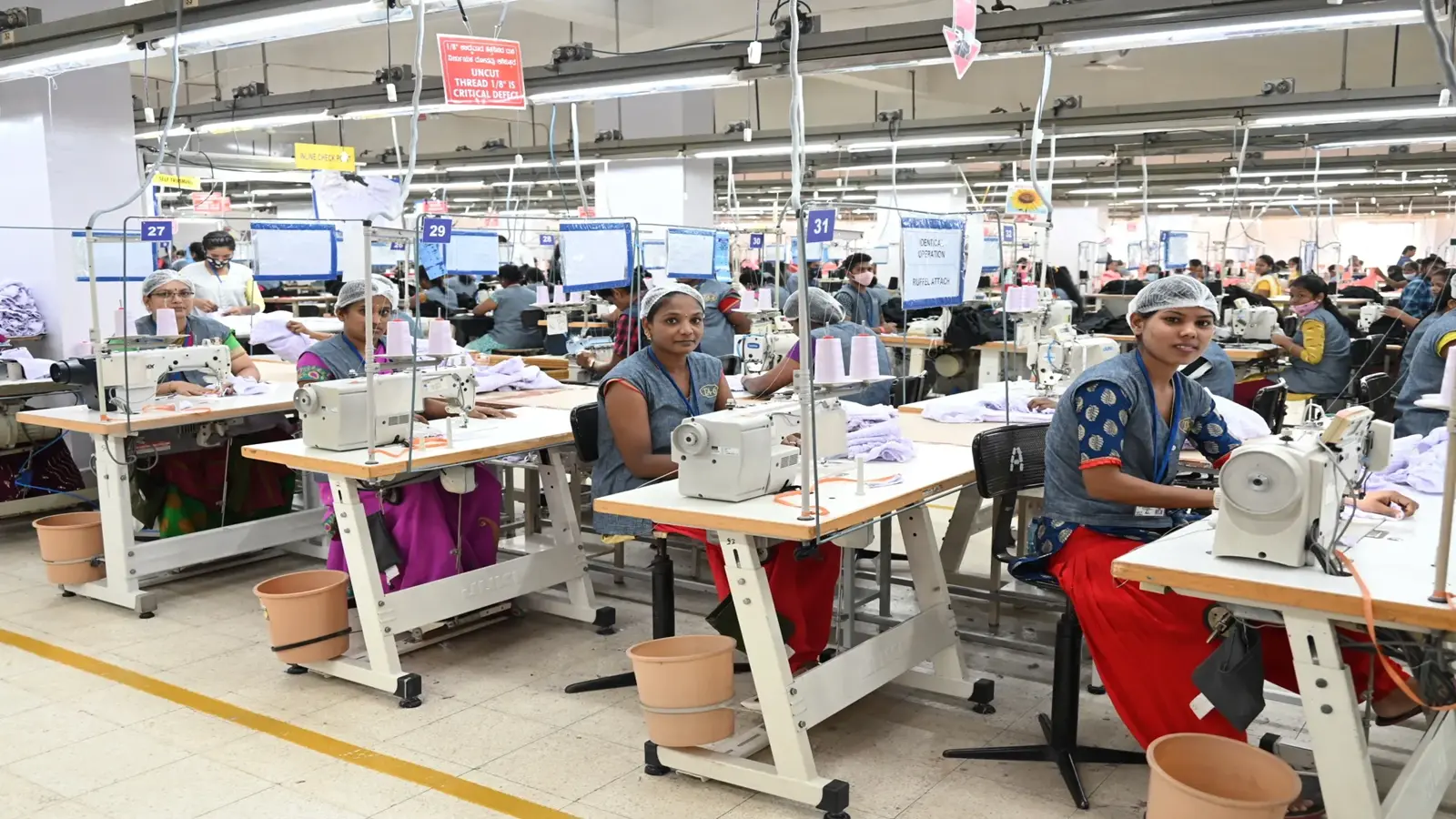
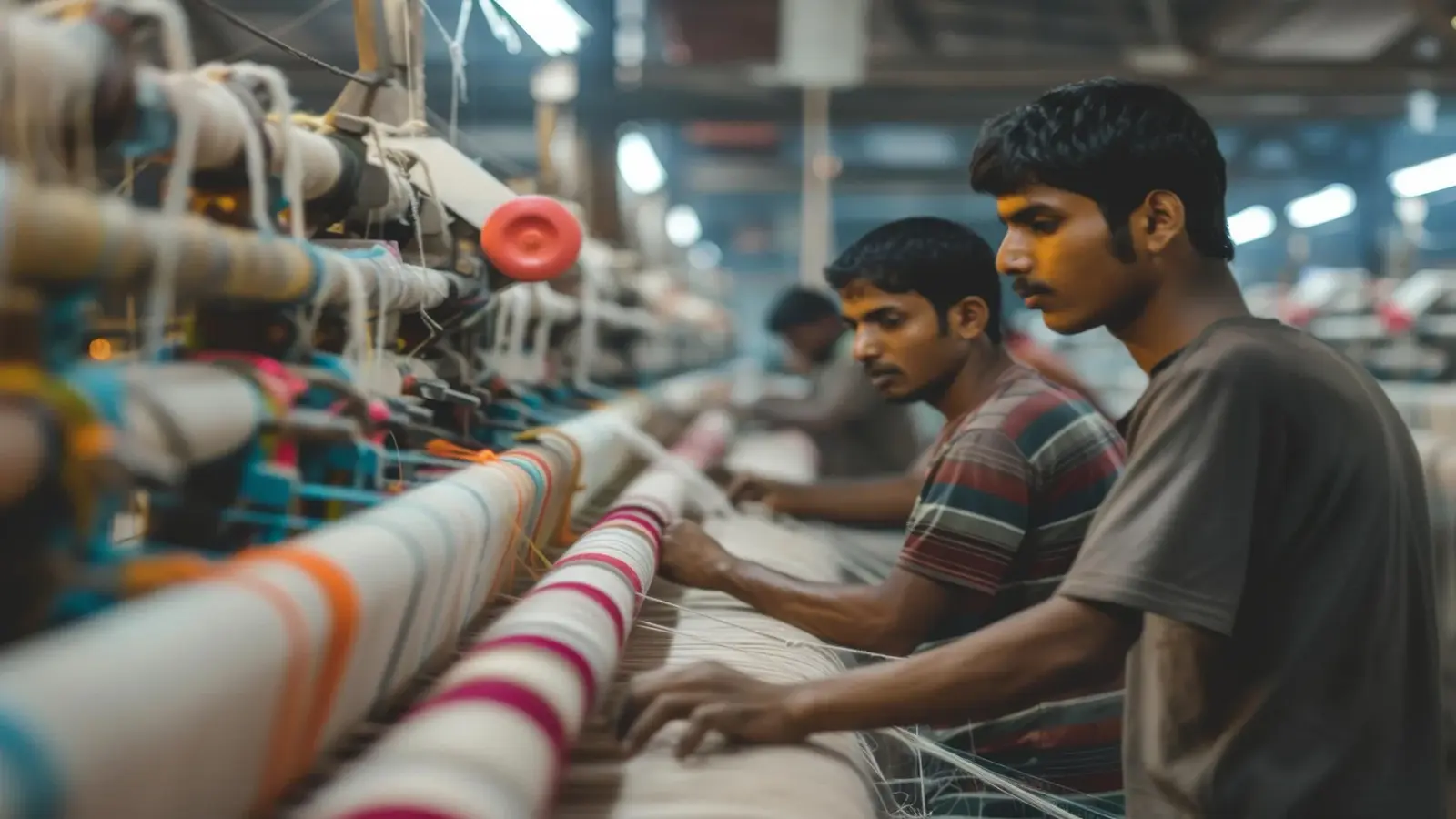
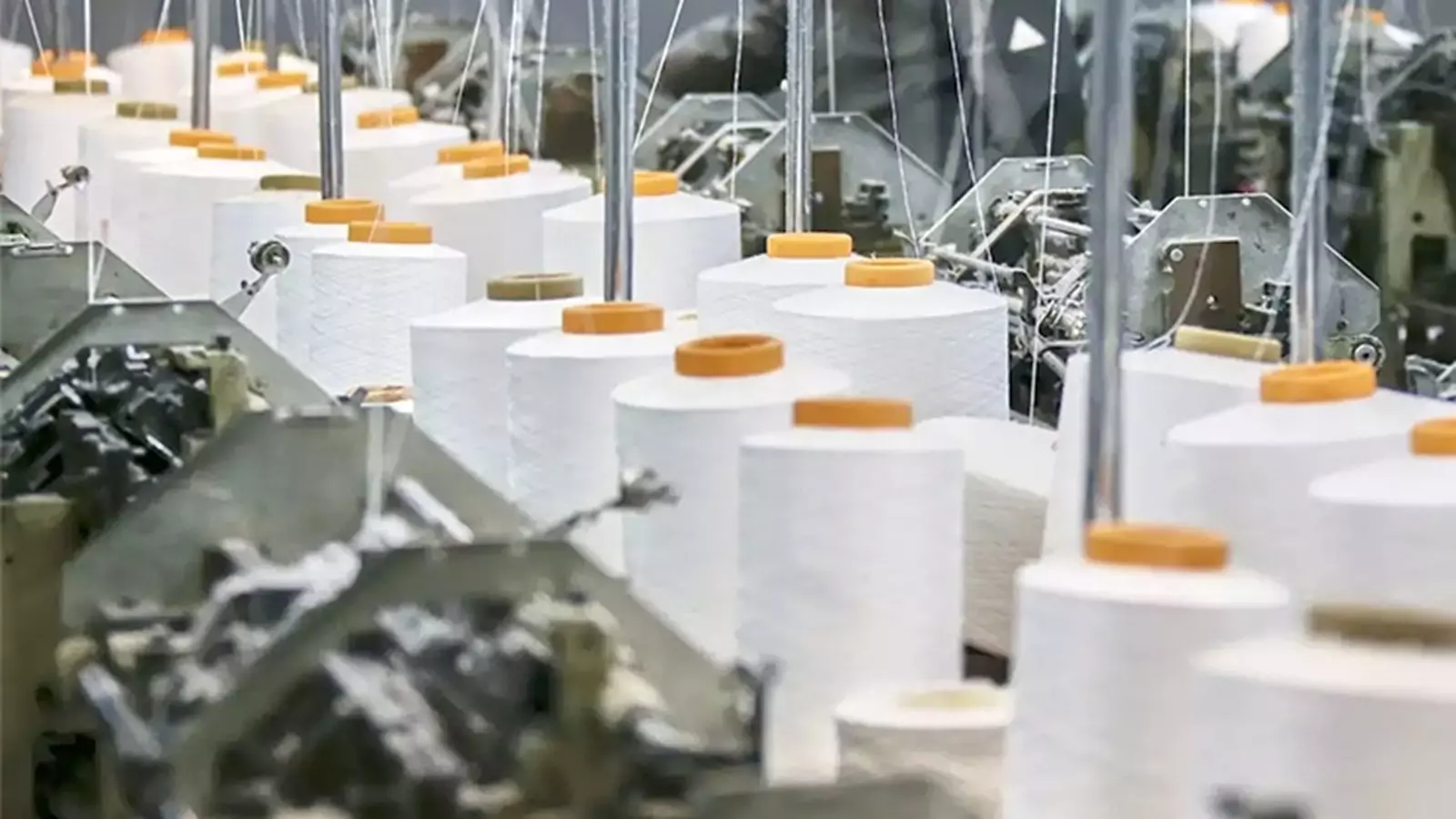
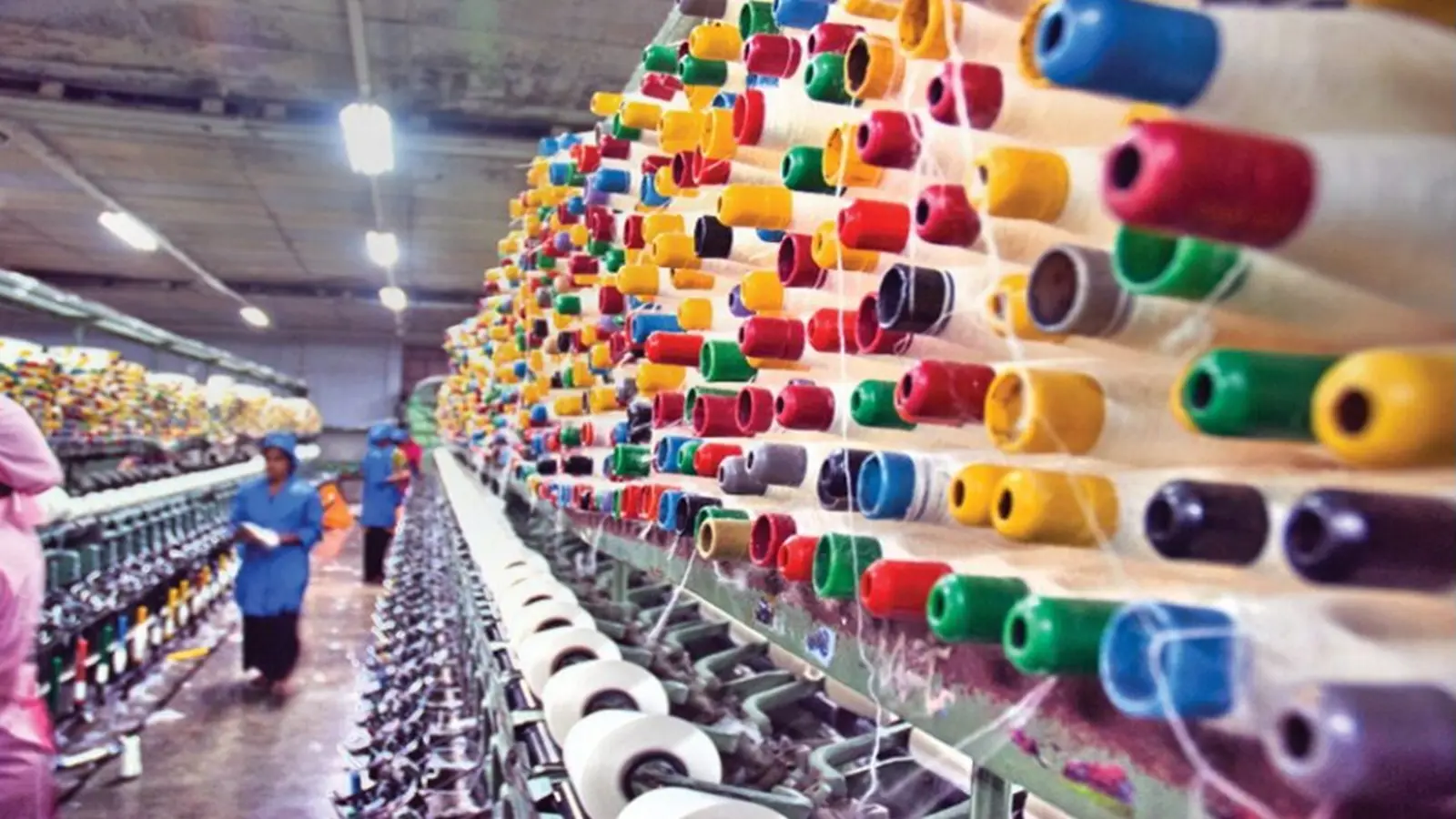
Known as the “Textile City of India,” Bhilwara hosts a large cluster of textile manufacturing units that supply fabrics and yarn to domestic and global markets. According to industry representatives, the city has over 450 fabric manufacturing units, more than 20 spinning mills, 21 processing units, and several denim plants, producing around 10 crore meters of fabric every month. The sector also provides employment to over two lakh people directly and indirectly.
However, the current crisis in West Asia has disrupted normal trade operations. Exporters say several consignments are either stuck at factories or delayed at major ports, while many overseas buyers have temporarily put orders on hold due to uncertainty in the region. This has slowed export movement and created concerns among Textile manufacturers about future business prospects.
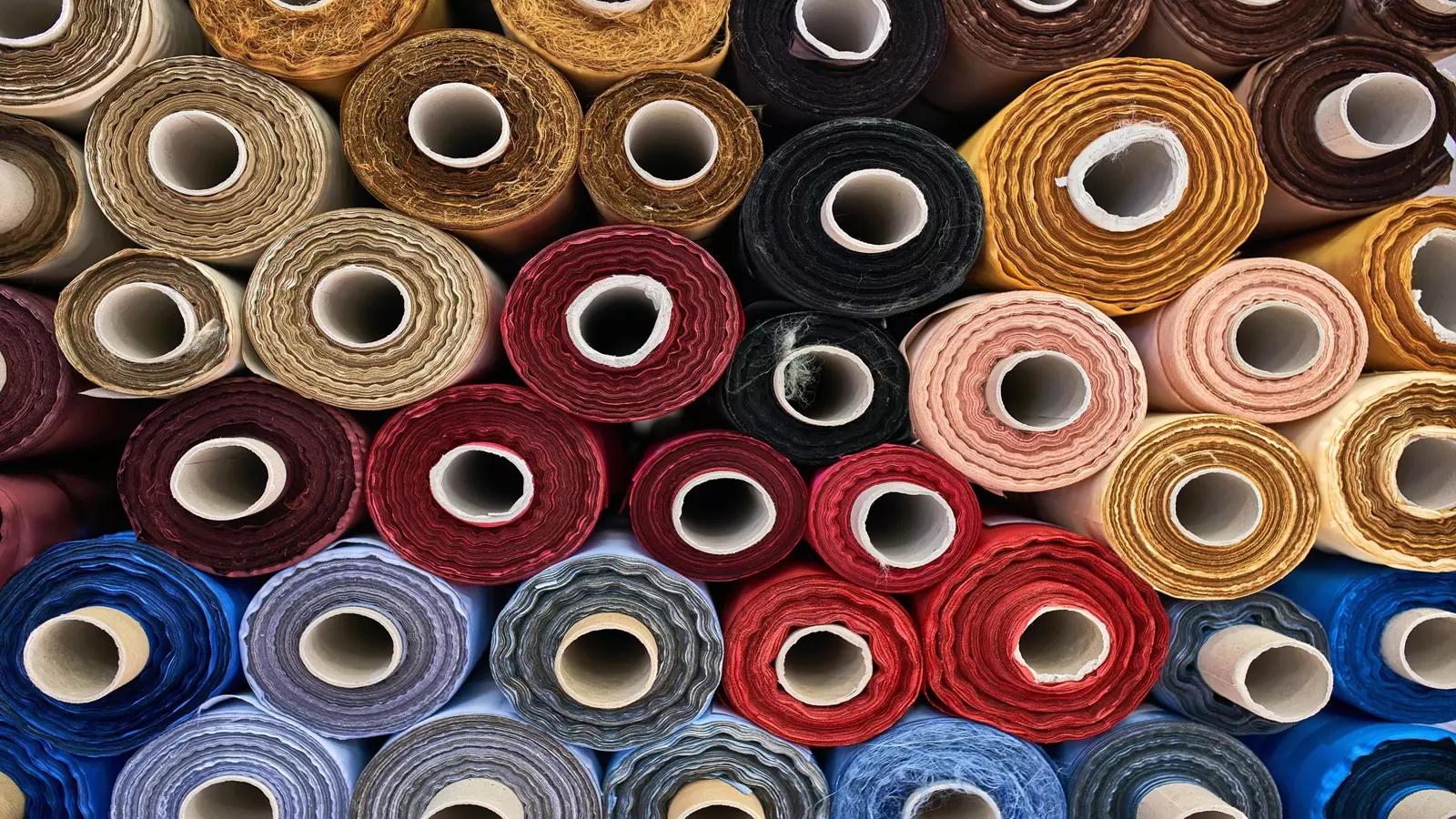
Industry leaders note that the Gulf region and European countries are among the key export destinations for Bhilwara’s textile products. Yarn from the city is shipped to countries such as Bangladesh and several European markets, while fabric exports are largely directed toward Gulf nations and Europe. Any prolonged disruption in the region could therefore significantly affect trade volumes and revenue.
Experts also highlight that geopolitical tensions are increasing shipping costs and logistics challenges, making it difficult for exporters to maintain delivery schedules. With the global textile market already facing economic uncertainties, such disruptions could further pressure profit margins and production planning.
Industry stakeholders warn that if the conflict continues for an extended period, the situation could become more serious, affecting exports, manufacturing activity, and employment across the region’s textile ecosystem. For now, manufacturers are closely monitoring developments in West Asia while hoping for a quick resolution to stabilize trade and restore export momentum.
10:08 AM, Mar 13


Barnet and CFC Team Up to Boost Recycled Carbon Fibre in Plastics
10:38 AM, Mar 13
Geopolitical Tensions in West Asia Hit Bhilwara Textile Exports
10:08 AM, Mar 13
.webp)
Industry Update


1.webp)
1.webp)

1.webp)

1.webp)


1.webp)

1.webp)
1.webp)

1.webp)


1.webp)
1.webp)
1.webp)



1.webp)
1.webp)


1.webp)


1.webp)


1.webp)


1.webp)

1.webp)


1.webp)


1.webp)
1.webp)
1.webp)


Kolkata Set to Become Textile Sourcing Hub as YARNEX and TEXINDIA Return in January 2026...view more
1.webp)
1.webp)


1.webp)


1.webp)

1.webp)

1.webp)
1.webp)

1.webp)


1.webp)

1.webp)


India Textile Industry 2025 Review: How US Tariffs Hit Exports, and the Road to Recovery...view more
1.webp)


1.webp)


1.webp)




Ludhiana MP Rajinder Gupta Presses Textile Sector Concerns in Meeting with FM Sitharaman...view more


1.webp)



1.webp)


1.webp)
1.webp)

1.webp)

1.webp)

.webp)



1.webp)


1.webp)








1.webp)










1.webp)



1.webp)


1.webp)


1.webp)





1.jpg)






















.png)


.jpg)
.jpg)


