

Budget 2026: CITI Seeks Cotton Duty Removal Amid US Tariff Risks

Share Post
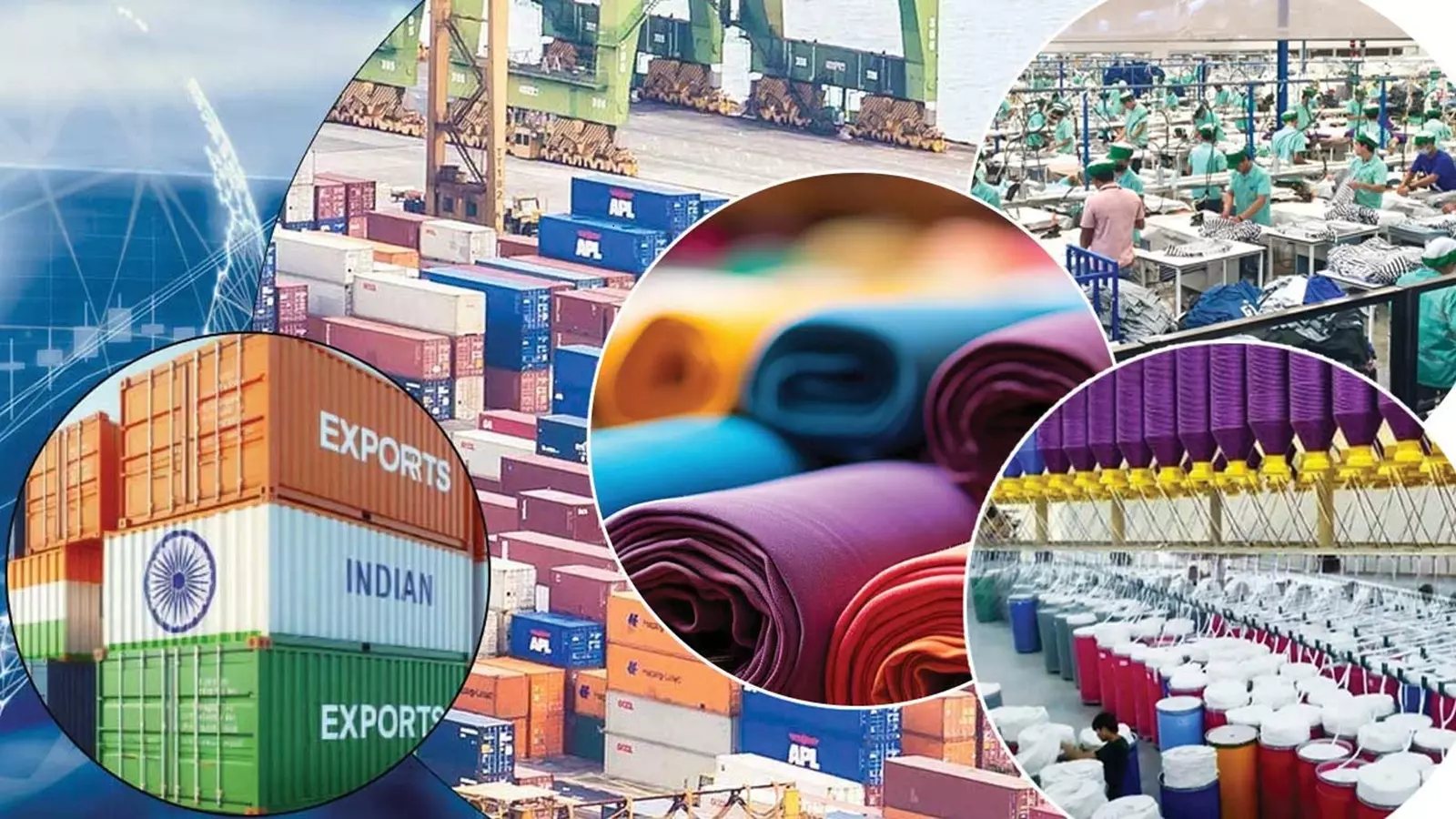
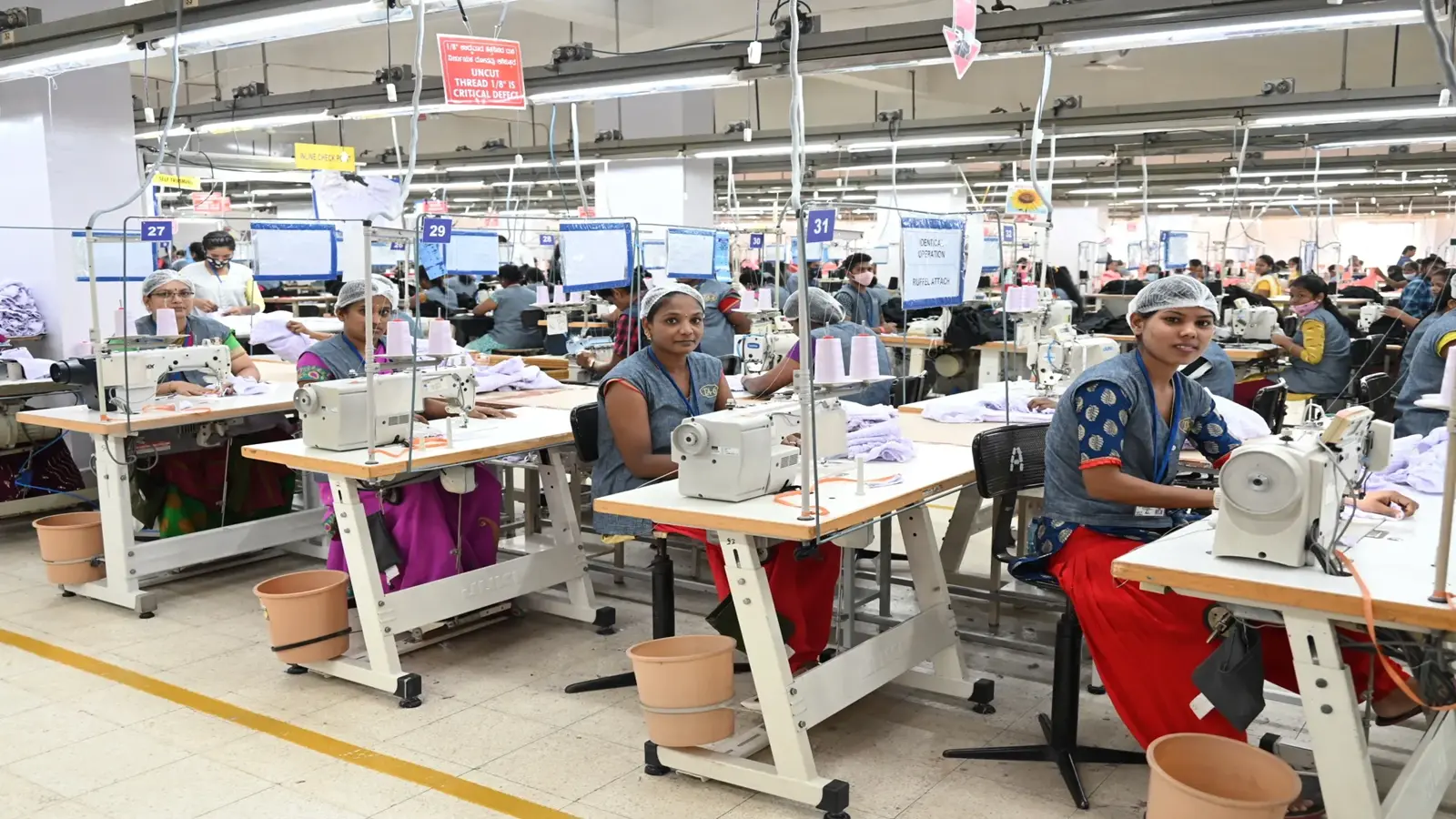
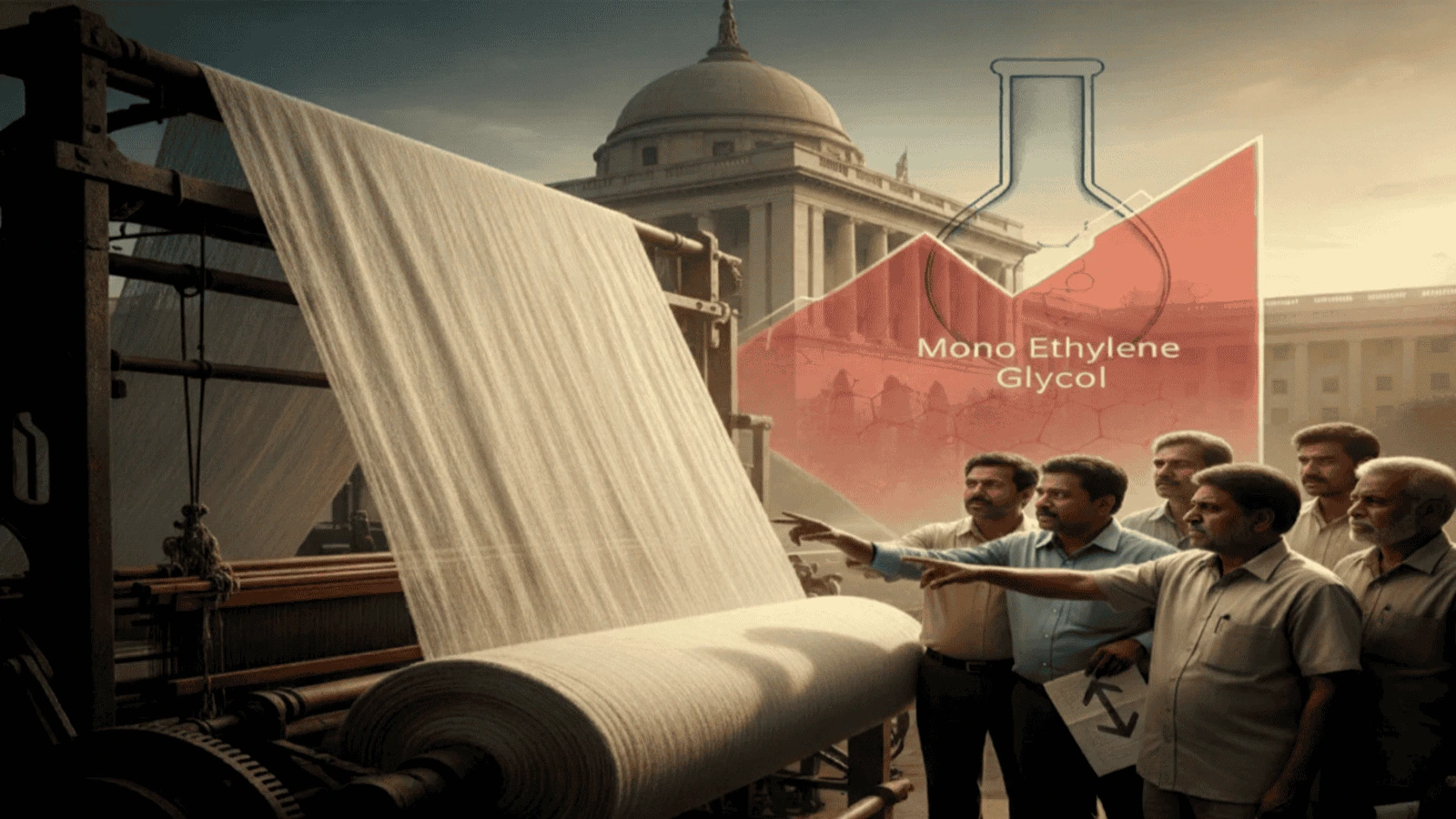
India's textile sector, a cornerstone of economic growth and the nation's second-largest employer, is rallying for policy relief ahead of Union Budget 2026. The Confederation of Indian textile industry (CITI), representing mills, exporters, and manufacturers, has formally urged the government to permanently eliminate the 11% import duty on cotton. This call comes after the duty's abrupt reinstatement on January 1, 2026, following the expiry of a temporary exemption on December 31, 2025—a move that has ignited widespread industry alarm over escalating production costs and eroding global competitiveness.
Cotton Supply Crisis: Production Plunge
A critical trigger is the sharp decline in domestic cotton output, projected to hit its lowest levels in nearly two decades this season. Factors include erratic monsoons, pest attacks, and shrinking cultivation areas, widening the persistent demand-supply gap. With mills and ginners dependent on stable raw material flows, the reinstated duty—previously waived to bridge shortages—now acts as a punitive barrier. CITI argues that without duty-free access, spinners face immediate cost escalations, potentially passing on 5-10% hikes to downstream apparel and home textile units.?
Global Competitiveness Under Siege
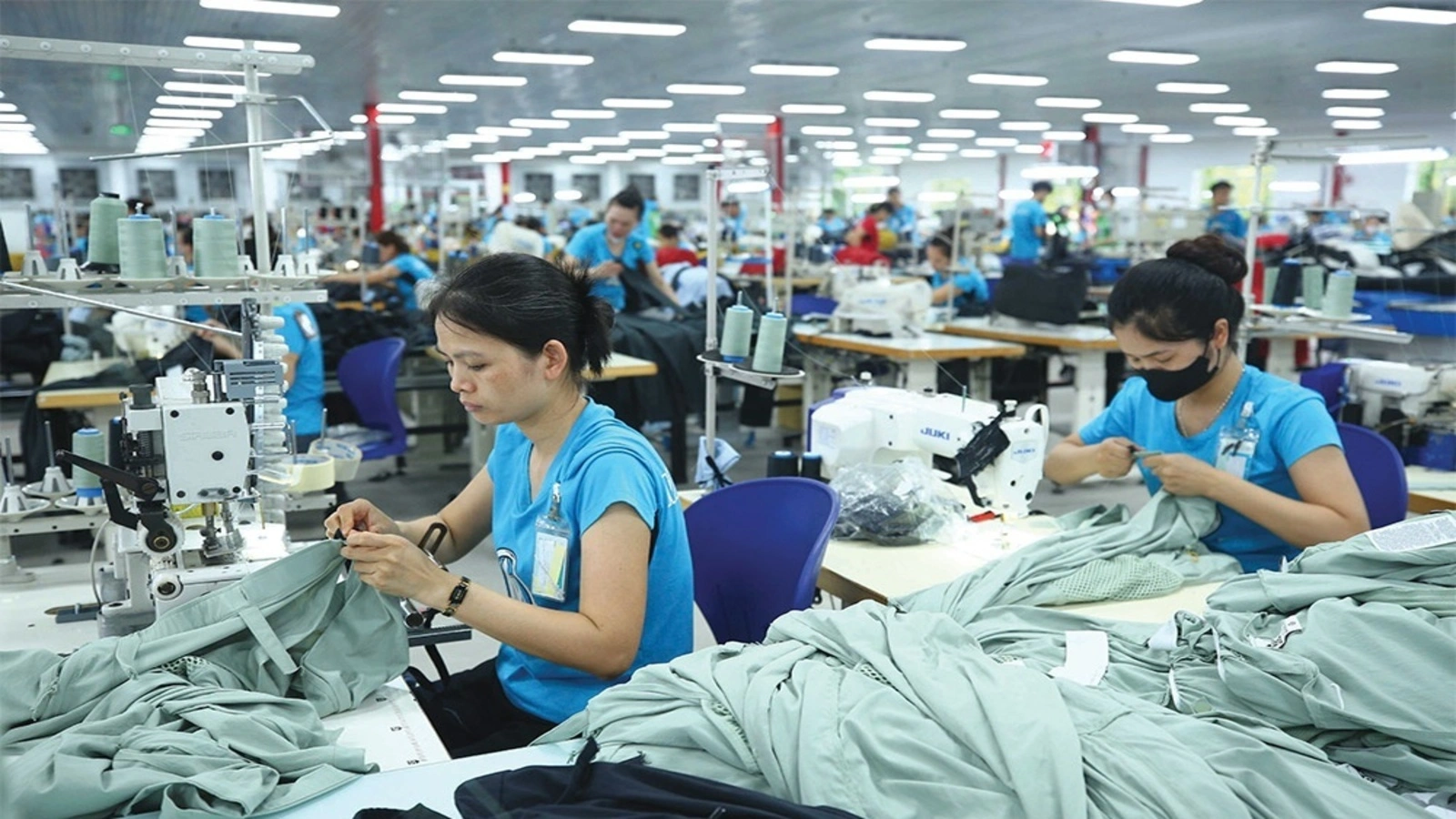
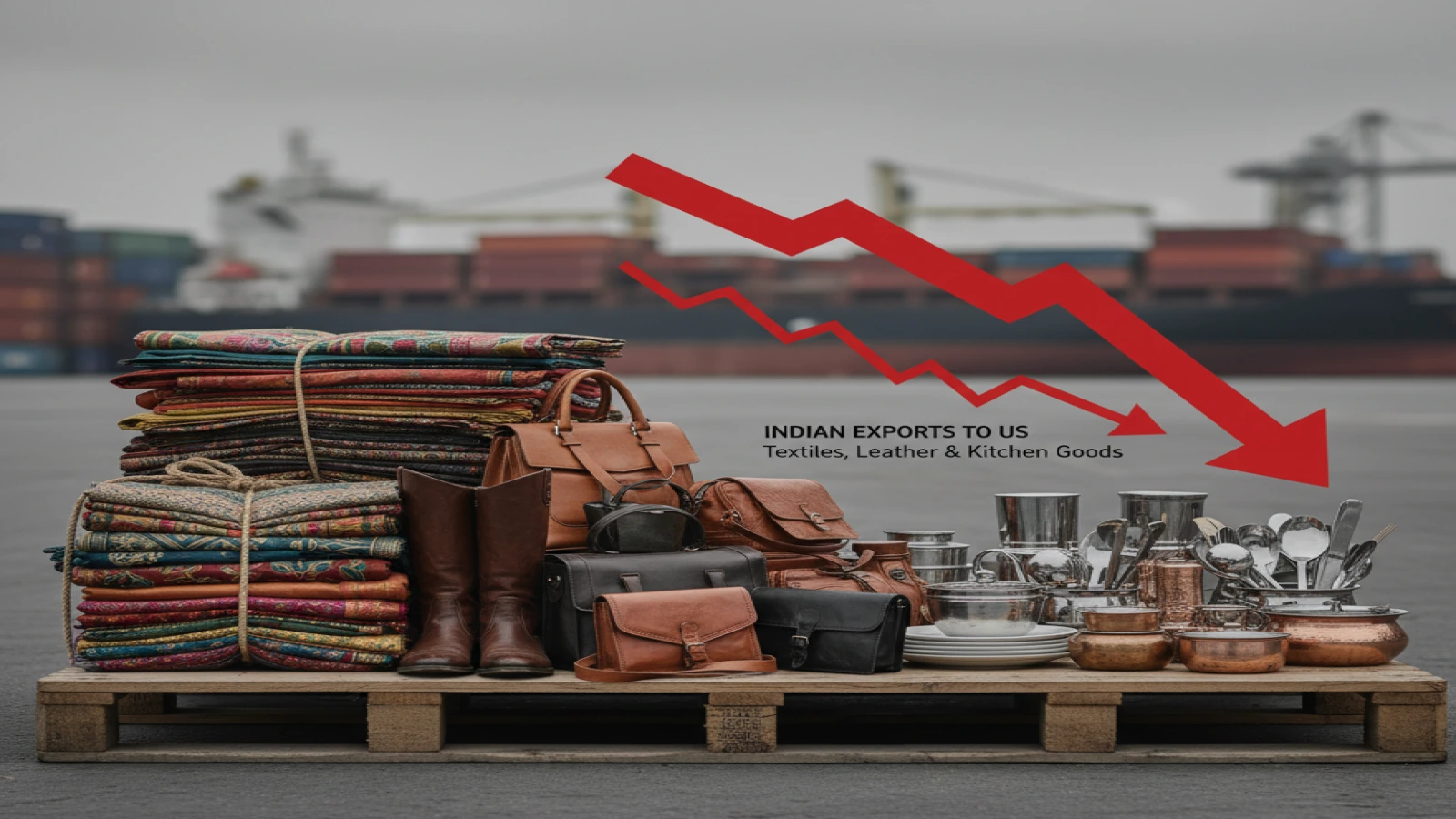
The timing couldn't be worse. Competing powerhouses like Bangladesh and Vietnam enjoy duty-free cotton imports, granting them a structural 10-15% cost advantage in international markets. India's textile exports, heavily cotton-reliant, already grapple with a 50% US tariff imposed since August 27, 2025, on key categories. The United States remains the top destination, absorbing nearly 28% of total revenues—valued at close to $11 billion in FY2024-25. CITI warns that layered pressures from duties and tariffs could slash order volumes by up to 30%, diverting business to rivals and imperiling jobs across 45 million MSMEs.?
In Surat's MMF hubs and Tiruppur's knits clusters, early signs emerge: delayed orders and margin squeezes amid Bangladesh unrest and FOSTTA defaulter lists. Non-cotton synthetics offer partial hedges, but cotton's 60% dominance in exports demands urgent fixes.?
Broader Industry Context
This plea aligns with recent reforms like the District-Led Textiles Transformation (DLTT) plan, aiming to empower 100 champion districts for exports. Yet, raw material bottlenecks undermine these efforts. Tex-RAMPS pacts with 15 states focus on data-driven growth, but CITI stresses affordability first. Sustainability angles—such as low-water, Bt-cotton variants—further justify imports, as domestic yields lag despite subsidies.?
Impact Assessment
Positive Scenario (Duty Removed): Stabilized costs could unlock 15-20% export growth, bolstering PLI incentives and FTAs with UK/Australia. Employment safeguards in labor-intensive weaving/apparel, plus ripple benefits to ginning and trading.
Negative Risks (Status Quo): Inflated prices erode US market share (already dipping post-tariffs), risking 2-3 million jobs. MSMEs, hit hardest, face closures akin to 2025 recession waves. Farmer protections via MSPs persist, but imports target gaps without displacement.
Strategic Analysis and Outlook
CITI's demand is economically sound: Imports supplement, not supplant, with minimal farmer impact (cotton covers <5% arable land). Policymakers must balance via ring-fencing premium varieties or tech transfers for yields. Budget 2026, presenting February 1, offers a litmus test—permanent waiver signals export prowess, countering Trump's tariff shadow. Watch MoA-DoT coordination; approval probability high (70%) given precedents and election-year job focus. For stakeholders in Gurugram's nonwovens or cushion segments, this directly impacts input costs and sportswear scalability.?
This development reinforces 2026 optimism, blending policy pushes with DLTT momentum for resilient growth
12:01 PM, Jan 13


Industry Update


1.webp)

1.webp)


1.webp)


1.webp)
1.webp)
1.webp)


Kolkata Set to Become Textile Sourcing Hub as YARNEX and TEXINDIA Return in January 2026...view more
1.webp)
1.webp)


1.webp)


1.webp)

1.webp)

1.webp)
1.webp)

1.webp)


1.webp)

1.webp)


India Textile Industry 2025 Review: How US Tariffs Hit Exports, and the Road to Recovery...view more
1.webp)


1.webp)


1.webp)


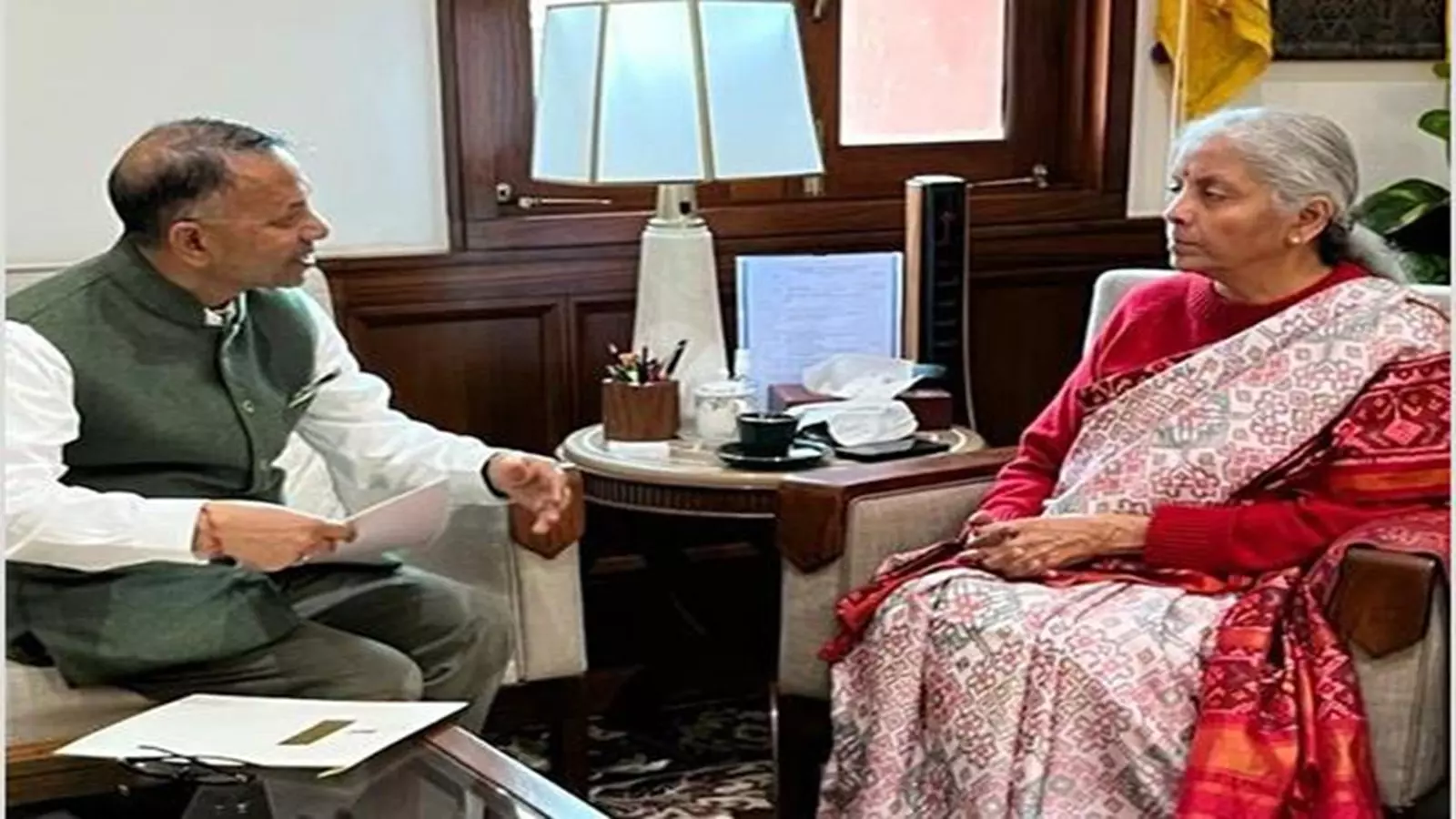
Ludhiana MP Rajinder Gupta Presses Textile Sector Concerns in Meeting with FM Sitharaman...view more


1.webp)



1.webp)


1.webp)
1.webp)

1.webp)

1.webp)

.webp)



1.webp)


1.webp)







1.webp)







1.webp)



1.webp)


1.webp)


1.webp)




1.jpg)



















.png)


.jpg)
.jpg)


