

India’s Textile Recycling Market to Reach $3.5 Billion by 2030, Set to Create 1 Lakh Green Jobs
.webp)
Share Post
India’s Textile Waste Turns into a Sustainability Opportunity
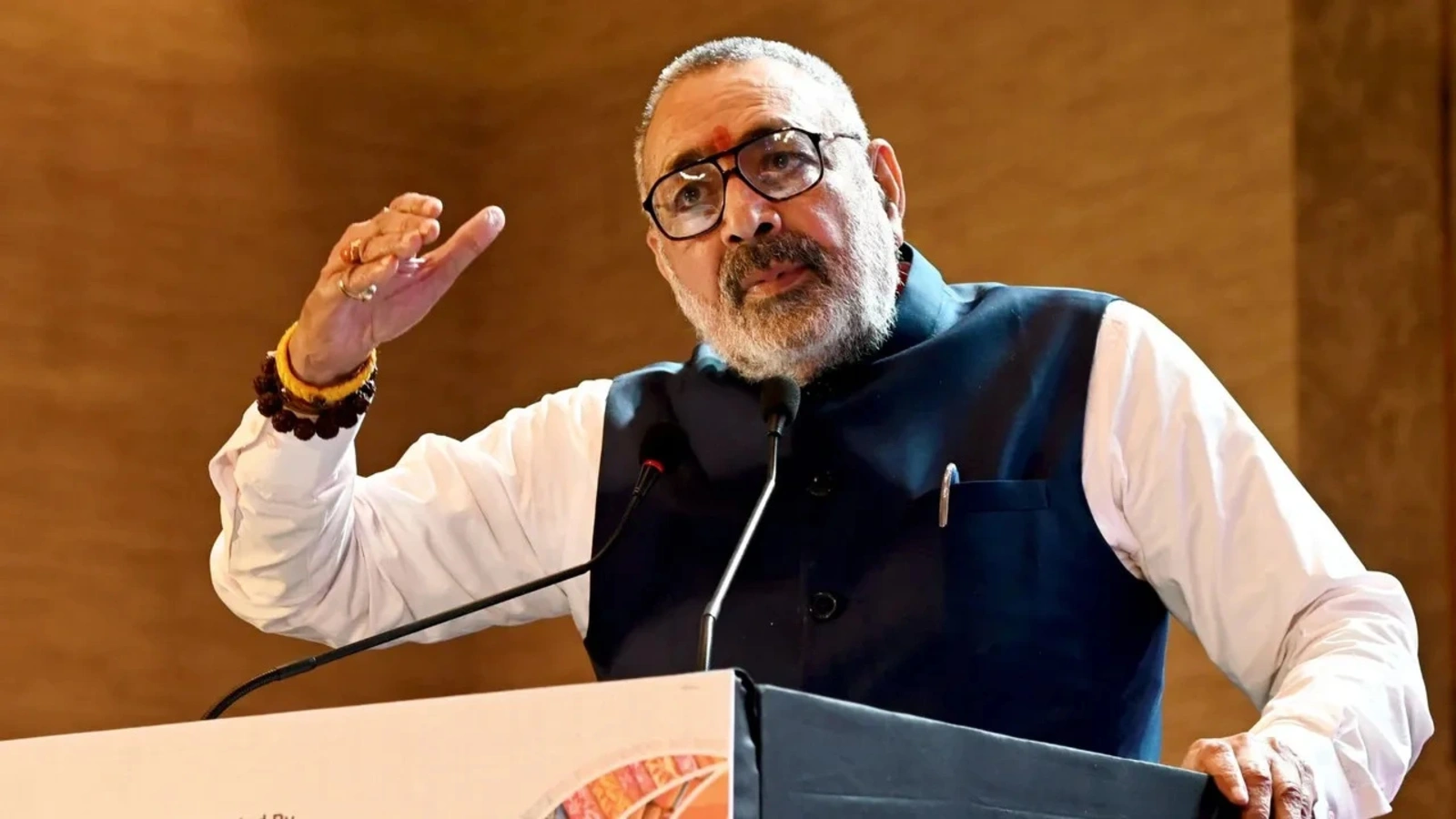
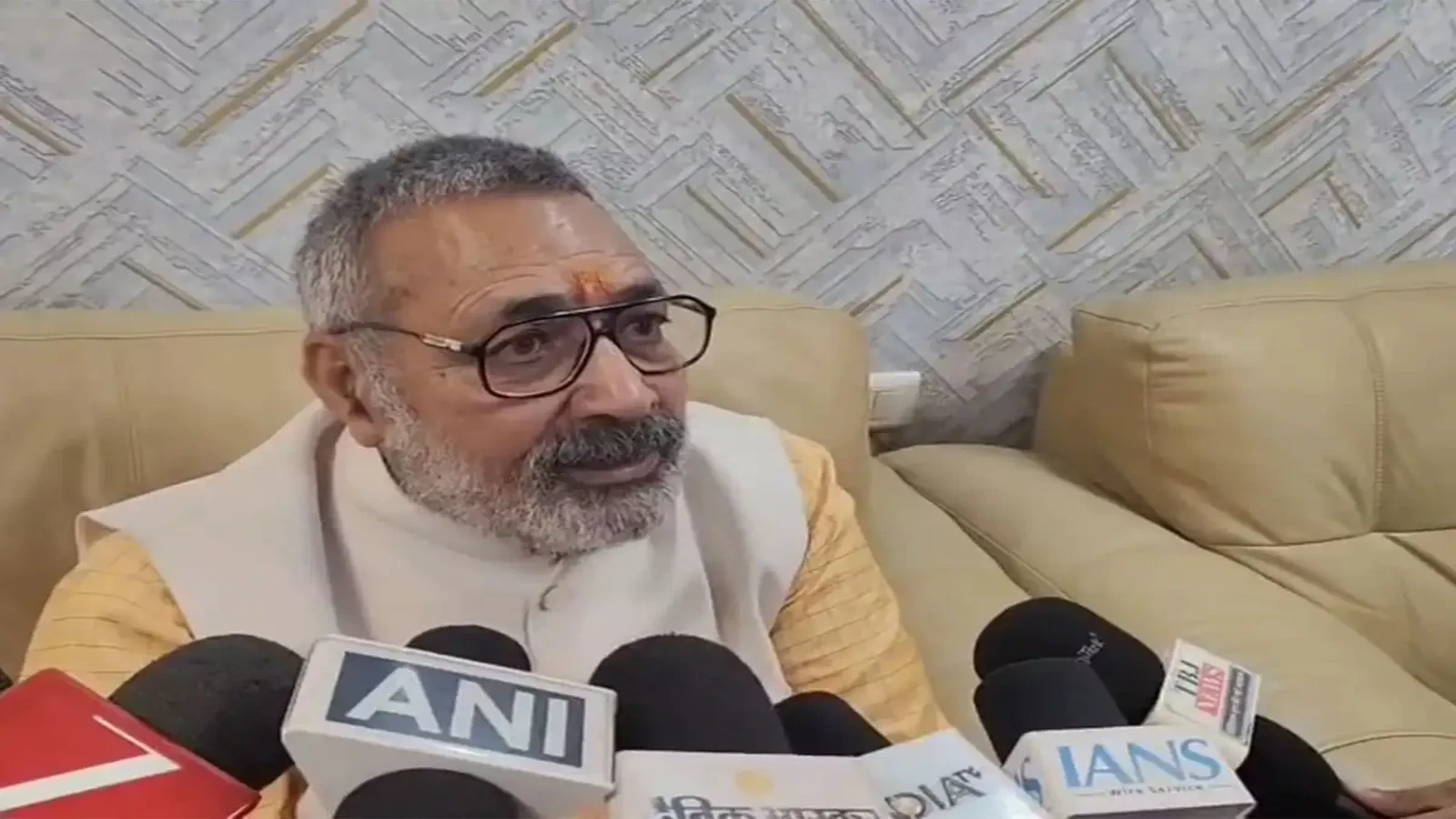
India’s textile industry is preparing for a major sustainability transformation as the country’s textile recycling market is projected to reach $3.5 billion by 2030, with the potential to generate nearly one lakh green jobs. The findings were highlighted in a new report released by Union Textiles Minister Giriraj Singh, emphasizing India’s growing role in the global circular textile economy.
The report, titled Mapping of Textile Waste Value Chain in India, presents a detailed analysis of waste generation, recycling systems, recovery networks and emerging opportunities in sustainable textile production. It underlines how India, already one of the world’s largest textile producers, can become a global leader in circular manufacturing by aligning growth with environmental responsibility. With sustainability becoming a key requirement for global sourcing, the report positions recycling not just as an environmental necessity but also as a major economic opportunity.
Understanding India’s Textile Waste Ecosystem
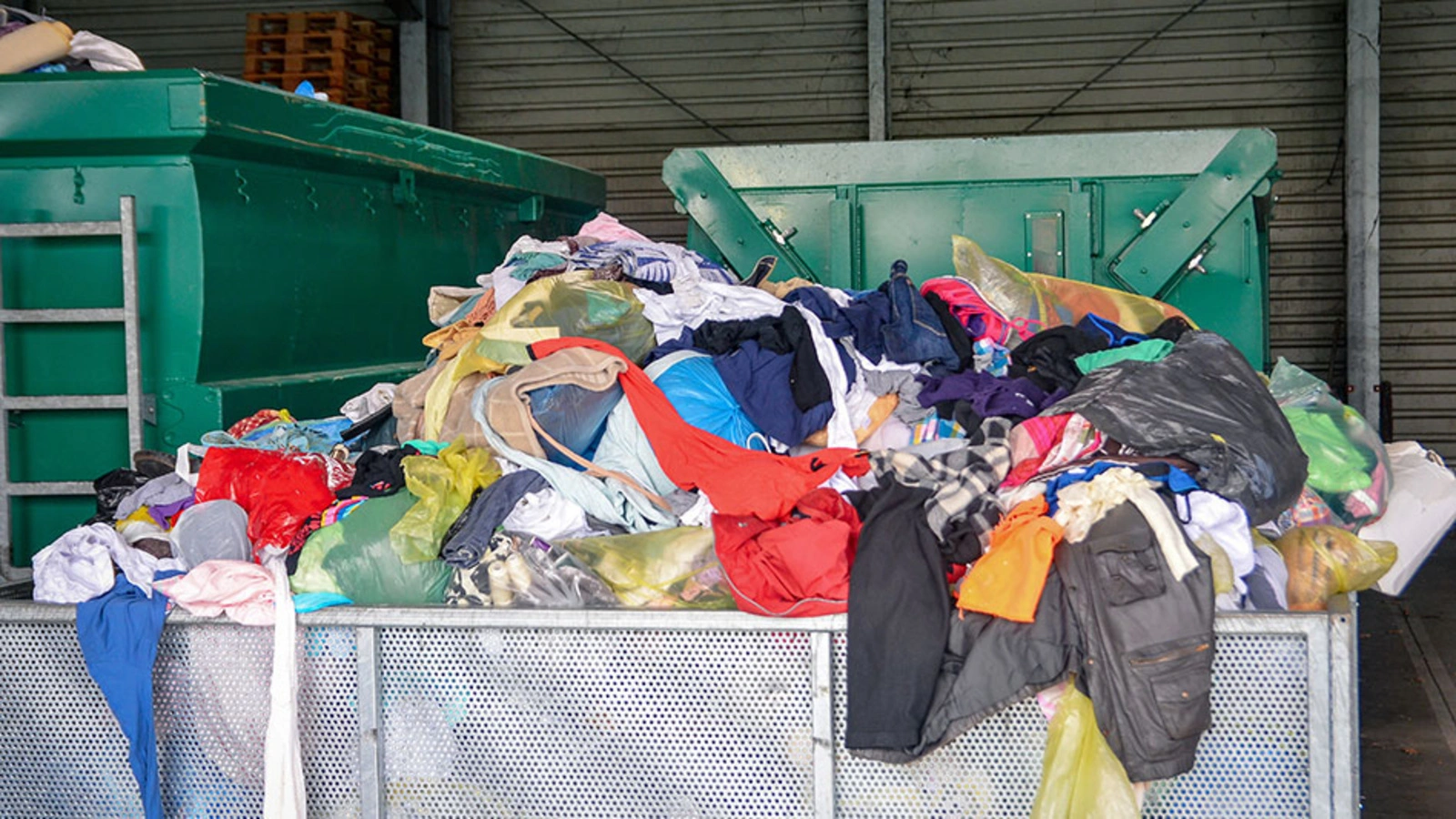
According to the report, India generates approximately 70.73 lakh tonnes of textile waste annually, coming from both industrial production and consumer disposal. The study provides valuable insights into how this waste is managed and recycled across the country. Key findings from the report include:
- 42% waste from pre-consumer sources (manufacturing processes)
- 58% waste from post-consumer disposal
- Over 70% of total textile waste already recovered
- About 95% recovery of pre-consumer waste
- Around 55% of post-consumer waste diverted from landfills
The spinning sector stands out as a model of circular efficiency, with nearly 100 per cent of spinning waste being reused within production processes. This success is largely due to organised recovery systems, uniform waste quality and immediate reuse capabilities within factories.
Meanwhile, Panipat is emerging as a major recycling hub, particularly for mechanical recycling, receiving textile waste from various clusters across India. Experts suggest that building more recycling infrastructure within textile clusters could further improve efficiency and reduce logistics costs.
Circular Economy to Drive Jobs and Inclusive Growth
Beyond environmental gains, the textile recycling ecosystem is also a major source of employment. The report highlights that India’s informal textile waste collection and sorting sector already supports 40–45 lakh livelihoods, many of them women from economically weaker communities. The expansion of organised recycling infrastructure could further strengthen this ecosystem while creating formal green jobs in:
- Textile waste collection and segregation
- Recycling and fibre recovery operations
- Sustainable product manufacturing
- Circular supply chain management
The report also emphasises that stronger policy support, improved technology adoption and better integration between formal and informal sectors will be crucial to unlocking the full potential of Textile Recycling.
As India’s textile sector continues to expand, the transition toward circularity could become a defining factor in maintaining global competitiveness. By turning waste into value and sustainability into employment, India’s recycling ecosystem is emerging as both an environmental solution and an economic growth engine.
12:07 PM, Mar 11


Barnet and CFC Team Up to Boost Recycled Carbon Fibre in Plastics
10:38 AM, Mar 13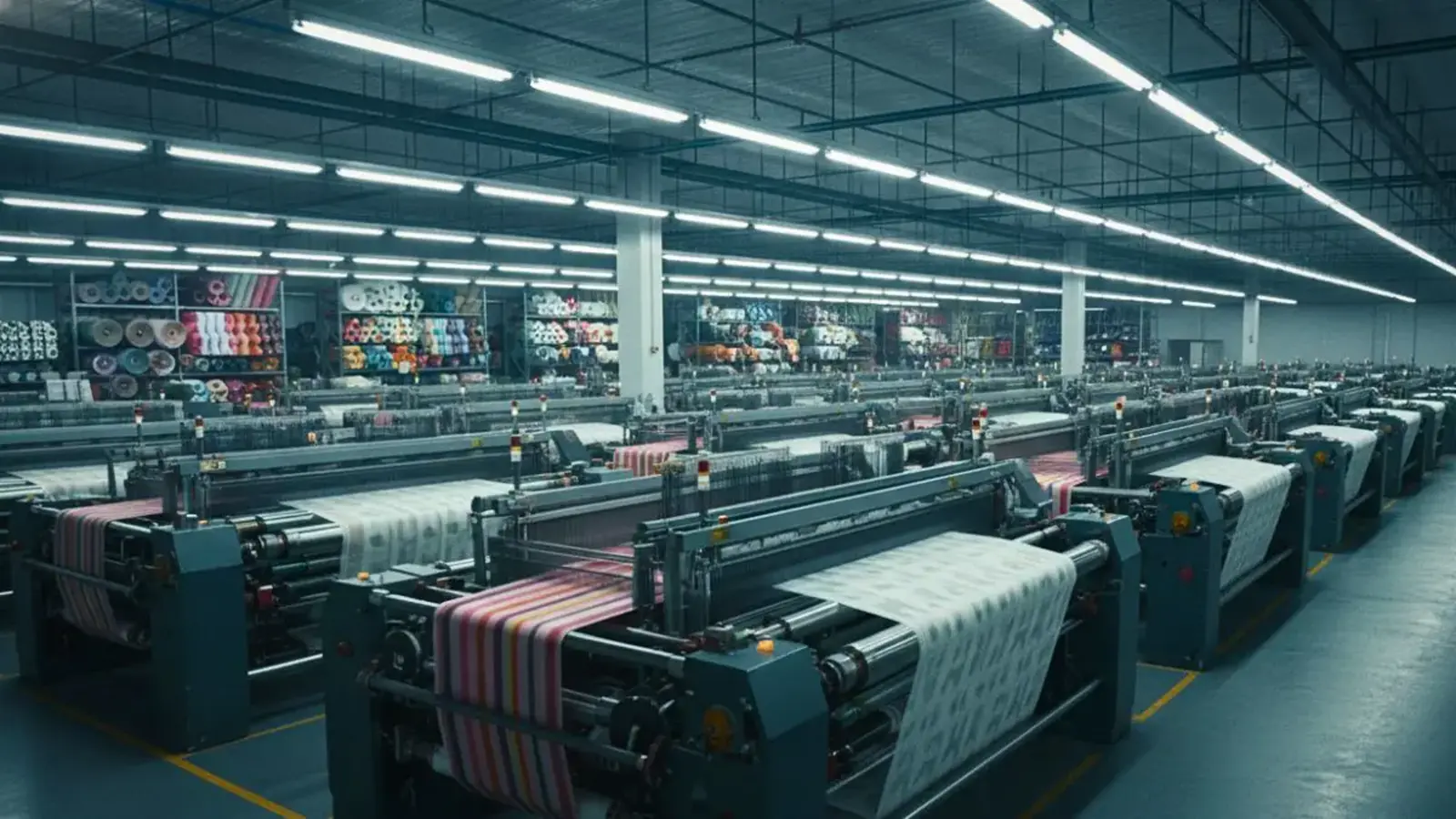
Geopolitical Tensions in West Asia Hit Bhilwara Textile Exports
10:08 AM, Mar 13
.webp)
Industry Update


1.webp)
1.webp)

1.webp)

1.webp)


1.webp)

1.webp)
1.webp)

1.webp)


1.webp)
1.webp)
1.webp)



1.webp)
1.webp)


1.webp)


1.webp)

1.webp)


1.webp)

1.webp)


1.webp)


1.webp)
1.webp)
1.webp)


Kolkata Set to Become Textile Sourcing Hub as YARNEX and TEXINDIA Return in January 2026...view more
1.webp)
1.webp)


1.webp)


1.webp)

1.webp)

1.webp)
1.webp)

1.webp)


1.webp)

1.webp)


India Textile Industry 2025 Review: How US Tariffs Hit Exports, and the Road to Recovery...view more
1.webp)


1.webp)


1.webp)


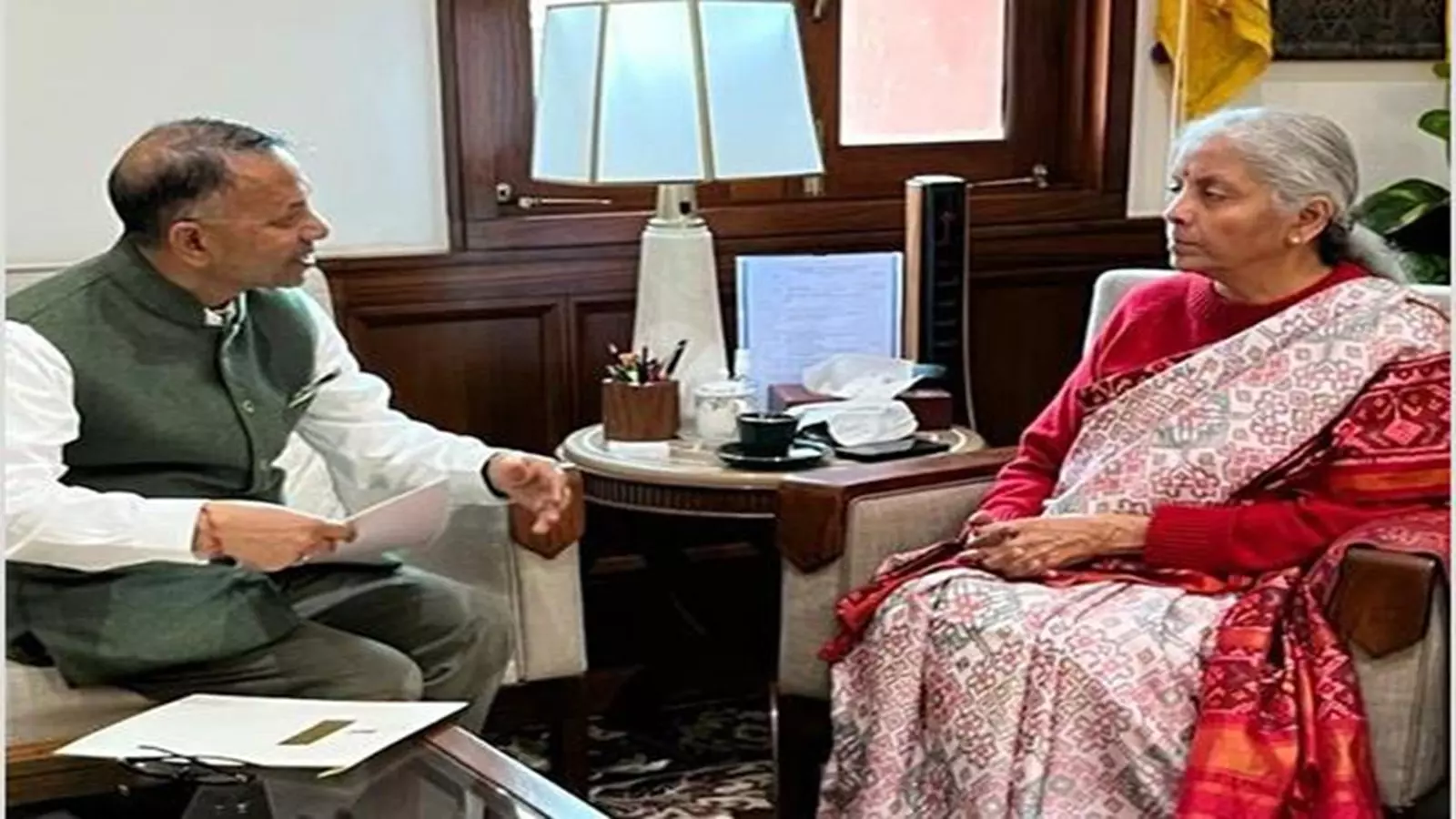
Ludhiana MP Rajinder Gupta Presses Textile Sector Concerns in Meeting with FM Sitharaman...view more


1.webp)


1.webp)


1.webp)
1.webp)

1.webp)

1.webp)

.webp)



1.webp)


1.webp)







1.webp)






1.webp)



1.webp)


1.webp)


1.webp)




1.jpg)




















.png)


.jpg)
.jpg)


