

Tiruppur Textile Entrepreneurs Express Discontent Ahead of Tamil Nadu Elections 2026

Share Post
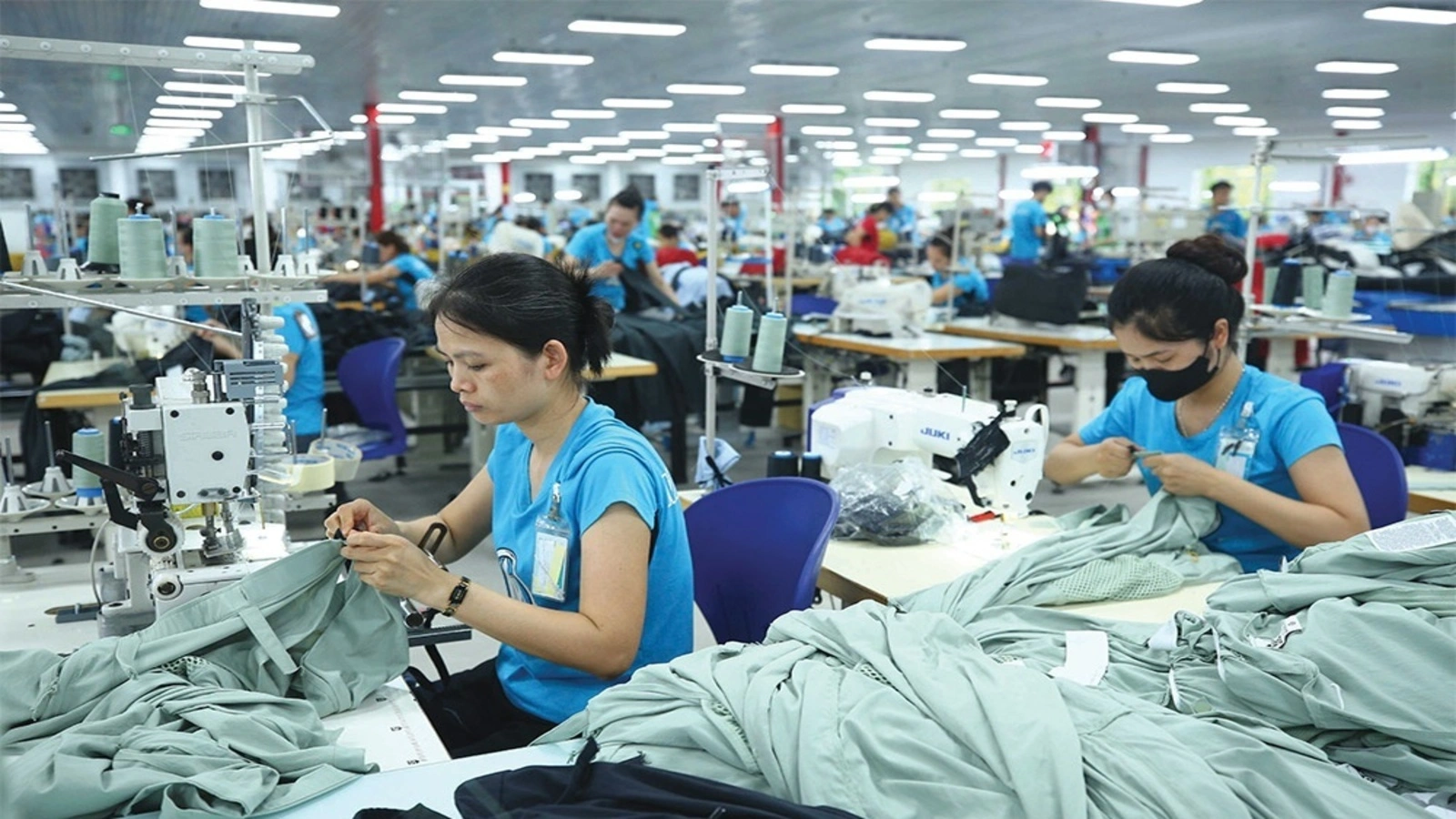
Tiruppur, one of India’s largest textile hubs, is witnessing growing dissatisfaction among entrepreneurs as the Tamil Nadu Assembly Elections 2026 approach. Industry players, especially small and medium business owners, have raised serious concerns about the current business environment, pointing to rising operational costs and limited government support as key issues affecting growth.
Entrepreneurs in the region have highlighted multiple challenges that are impacting the textile sector. One of the major concerns is the steady increase in electricity prices, which directly raises production costs for textile units. Since the industry relies heavily on power for manufacturing processes, higher tariffs are reducing profit margins and making it difficult for smaller units to survive. In addition, rising property taxes and other local levies have added further financial pressure on businesses.
Another major issue raised by industry stakeholders is the lack of targeted policy support for the textile sector. Entrepreneurs feel that despite Tiruppur’s significant contribution to exports and employment, the industry has not received adequate attention in terms of incentives or development schemes. This has created frustration among business owners who are struggling to remain competitive in both domestic and international markets.
Infrastructure and environmental management have also emerged as key concerns. Poor waste management systems and inadequate industrial infrastructure are affecting day-to-day operations in the region. Entrepreneurs believe that these gaps are slowing down productivity and discouraging new investments in the textile sector.
The overall sentiment among Tiruppur’s business community reflects a growing anti-incumbency mood. Many entrepreneurs are now reconsidering their political preferences as they look for policies that can better support industrial growth and stability. Reports suggest that this dissatisfaction could influence voting patterns in the region, with some shifting support toward alternative political alliances.
This development highlights a broader challenge for policymakers. While Tamil Nadu remains a strong industrial state, sectors like textiles require continuous support to maintain competitiveness. Addressing issues such as cost pressures, infrastructure gaps, and policy clarity will be crucial for restoring confidence among entrepreneurs and ensuring sustainable growth in the coming years.
04:14 PM, Apr 22
.webp)
.webp)
.webp)
Industry Update

1.webp)
1.webp)
1.webp)
1.webp)
India Textile Exports Fall in FY26: Apparel Shows Slight Strength Amid Global Challenges...view more
1.webp)

1.webp)

1.webp)
1.webp)
1.webp)
1.webp)


India Expands ₹10,683 Crore Textile PLI Scheme to Boost MMF and Technical Textile Growth...view more

1.webp)
1.webp)
1.webp)
1.webp)
1.webp)
1.webp)







1.webp)
Tamil Nadu Emerges as India’s Textile Export Powerhouse with Nearly $8 Billion Shipments...view more
1.webp)


1.webp)

1.webp)


1.webp)


Uttar Pradesh’s New PM MITRA Textile Park Aims to Transform State into Major Textile Hub...view more
1.webp)


1.webp)
Punjab Eyes Green Transformation of Textile Processing Clusters to Attract Global Brands...view more


1.webp)
1.webp)

1.webp)

1.webp)


1.webp)

1.webp)
1.webp)

1.webp)


1.webp)
1.webp)
1.webp)



1.webp)
1.webp)


1.webp)


1.webp)
1.webp)


1.webp)

1.webp)


1.webp)


1.webp)
1.webp)
1.webp)


Kolkata Set to Become Textile Sourcing Hub as YARNEX and TEXINDIA Return in January 2026...view more
1.webp)
1.webp)


1.webp)


1.webp)

1.webp)

1.webp)
1.webp)

1.webp)


1.webp)

1.webp)


India Textile Industry 2025 Review: How US Tariffs Hit Exports, and the Road to Recovery...view more
1.webp)


1.webp)


1.webp)


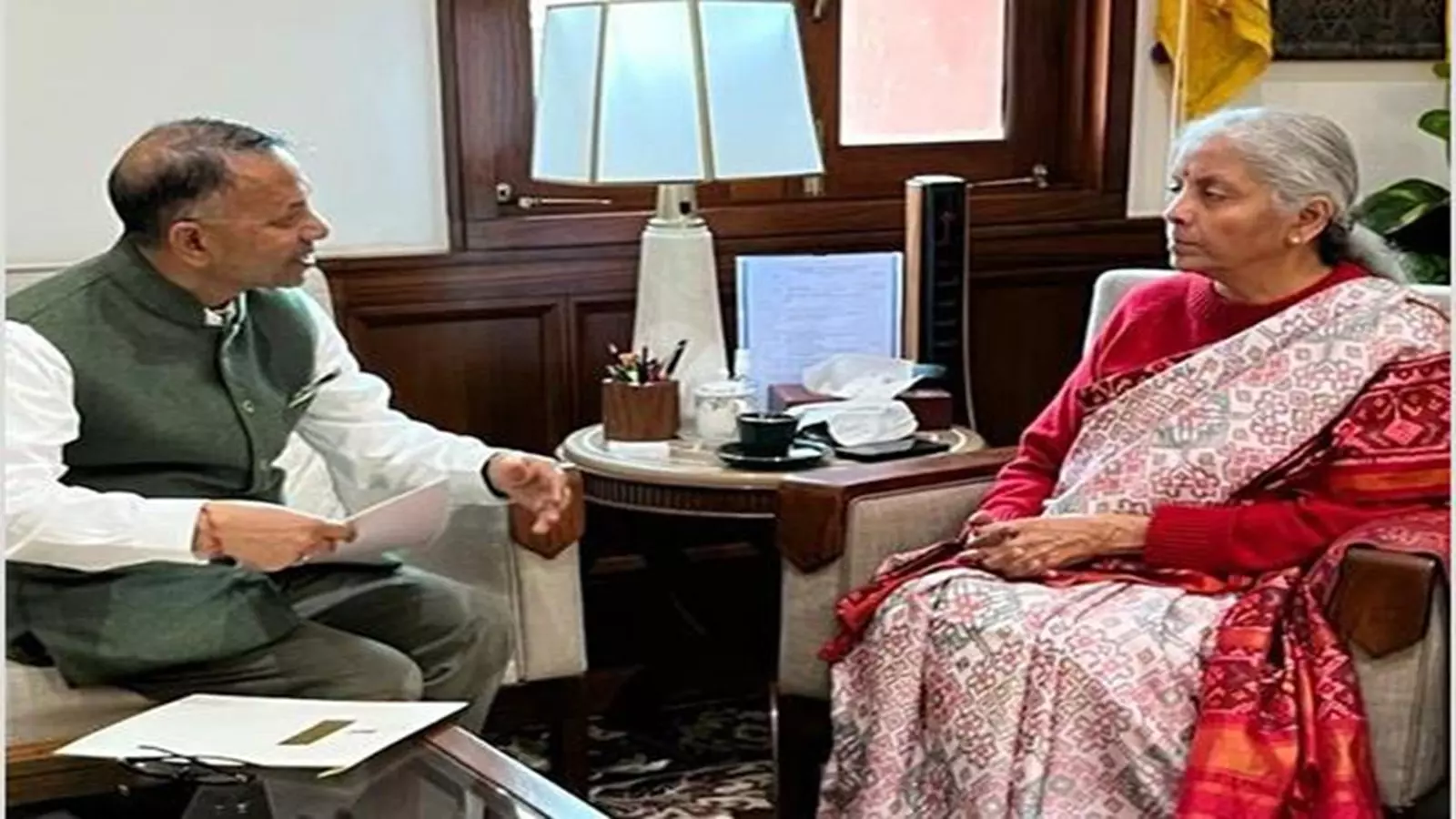
Ludhiana MP Rajinder Gupta Presses Textile Sector Concerns in Meeting with FM Sitharaman...view more


1.webp)



1.webp)


1.webp)
1.webp)

1.webp)

1.webp)

.webp)


1.webp)


1.webp)







1.webp)







1.webp)



1.webp)


1.webp)


1.webp)




1.jpg)



















.png)


.jpg)
.jpg)


